Unveiling Jadeite's Soul: Expert Guide to Grade, Water Clarity, and Value Assessment
An in-depth guide from a Mandalay expert on identifying jadeite's grade and water clarity, crucial for value assessment and investment.
As a veteran journalist and SEO expert deeply rooted in the jadeite industry, having spent years observing the pulse of the market from Mandalay to Hpakant, I've witnessed countless transactions and the evolving understanding of this precious gem. The true essence of jadeite lies in its 'Zhong Shui' (Zhong Shui) – a combination of its texture (grade) and transparency (water clarity). Mastering its identification is paramount for both collectors and investors.
Direct Answer: The true essence of jadeite lies in its 'Zhong Shui', a combination of texture (grade) and transparency (water clarity). Mastering this identification is paramount for collectors and investors to accurately assess value.
The Soul of Jadeite: Understanding 'Zhong Shui'

'Zhong' (Zhong), or grade, refers to the fineness of the jadeite's crystal structure. The finer the crystals, the more delicate and lustrous the jadeite appears. 'Shui' (Shui), or water clarity, describes the jadeite's transparency and how light penetrates and reflects within it. A high 'shui' means the jadeite is clear and radiant. The interplay between these two factors determines a jadeite's beauty, rarity, and ultimately, its market value.
Decoding Jadeite Grades: From Glass to Bean
- Glass Grade (Boli Zhong): This is the pinnacle of jadeite quality. Its crystal structure is so fine that it appears transparent, like glass, with a captivating luster. Light penetrates deeply, creating a profound, almost ethereal glow. A true glass grade jadeite is exceedingly rare. Recently, a 45x28mm Old Pit Glass Grade Jadeite Pendant (A-grade), accompanied by a GIA certificate, fetched a staggering USD 139,500 at a Hpakant direct sales point on March 10, 2026, purchased by a Thai jeweler. This exemplifies the premium commanded by top-tier 'Zhong Shui'.

Ice Grade (Bing Zhong): Slightly less transparent than glass grade, ice grade jadeite still possesses excellent clarity and a translucent, icy appearance. It feels cool and smooth to the touch, with light scattering beautifully within. The market actively seeks out ice grade pieces. For instance, an Ice Grade Jadeite Bangle (A-grade) with an inner diameter of 55mm was sold for USD 41,200 at the Naypyidaw Jewelry Exhibition Center on March 19, 2026, to a Japanese jeweler through competitive bidding. Another similar Ice Grade Jadeite Bangle (A-grade), also 55mm in inner diameter, achieved USD 47,500 at the Yangon Gem Fair on March 5, 2026, purchased by an Australian buyer, highlighting the strong demand.
Ice-Waxy Grade (Bing Nuo Zhong): This grade bridges the gap between ice and waxy, exhibiting a semi-translucent quality with a fine, smooth texture. It's highly popular for its balance of beauty and relative affordability. We saw two instances of Ice-Waxy Grade Jadeite Guanyin Pendants (A-grade), both 38x22mm, selling for USD 20,200 (GIA certified) at a Hpakant direct sales point on March 3, 2026, to a US buyer, and USD 18,100 at the Naypyidaw Jewelry Exhibition Center on February 24, 2026, to an Indonesian buyer. These figures underscore its consistent market appeal.
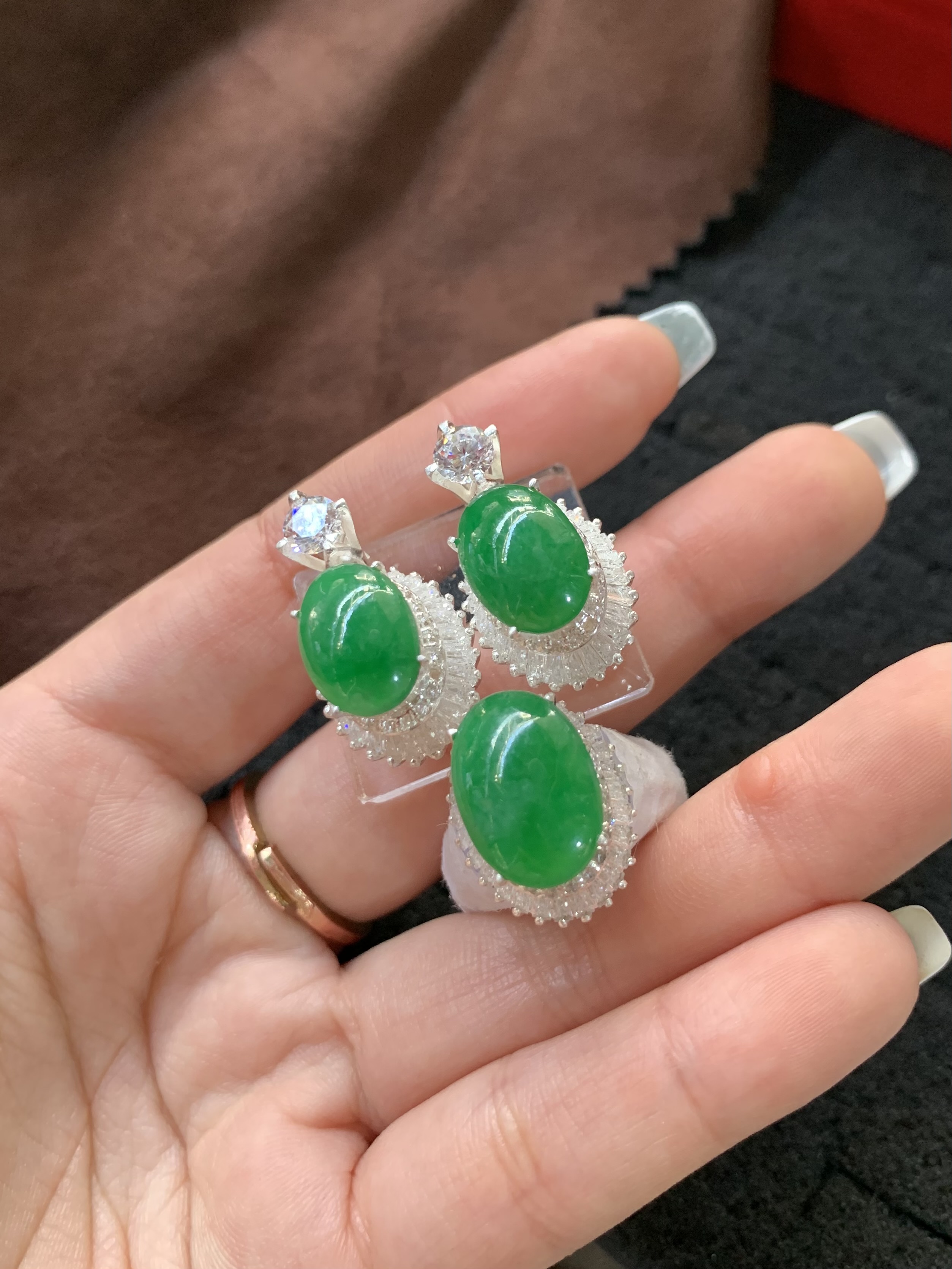
Waxy Grade (Nuo Zhong): Waxy grade jadeite is translucent to opaque, with a texture resembling glutinous rice. While not as transparent as higher grades, good waxy grade pieces with vibrant color can still be very valuable. A Waxy Grade Jadeite Dragon Pendant (A-grade), 52x35mm, was acquired by a Japanese jeweler for USD 14,600 at the Mandalay Jade Wholesale Market on February 9, 2026. Even more notably, a small but exquisite Waxy Grade Imperial Green Jadeite Ring Face (A-grade), 8.2ct, achieved a remarkable USD 100,700 at Yangon Jewelry Street on March 12, 2026, purchased by a Korean collector, thanks to its rare and intense 'Imperial Green' color.
Bean Grade (Dou Zhong): The most common grade, characterized by coarser, visible crystal grains, resembling bean sprouts. It is generally opaque and less valuable, though large, well-carved pieces can still find a market.
The Crucial Role of Jadeite A-Grade and Certification
When discussing jadeite, it's imperative to distinguish between Jadeite A-grade (natural, untreated) and B/C/B+C grades (treated). Only natural, untreated jadeite holds long-term jadeite investment value. Always insist on reputable jadeite identification certificates from recognized labs like GIA, GGTL, GIT, or local Myanmar labs for authenticity. The Myanmar Jadeite brand, often seen in top-tier pieces, signifies its origin and quality.
Value Assessment: Beyond 'Zhong Shui'
While 'Zhong Shui' is foundational, other factors significantly influence value:
- Color: The vibrancy, evenness, and saturation of color (e.g., Imperial Green, Lavender, Red) are critical. A small, intense 'Imperial Green' piece can outprice a larger, less colorful glass grade.
- Craftsmanship: Exquisite carving can transform a raw stone into a masterpiece, adding immense artistic value.
- Clarity and Flaws: Inclusions, cracks, or blemishes reduce value. A flawless piece is highly prized.
- Size and Shape: Larger, well-proportioned pieces, especially bangles or significant carvings, command higher prices.
- Provenance: Knowing the origin, especially from the famed Hpakant mining area, adds to its allure and value.
Market Observations and Investment Insights
My observations from the Mandalay jewelry market and direct dealings with Mandalay source suppliers who directly connect with the Hpakant mining area reveal a robust market for high-quality jadeite. The recent market data from February to March 2026 confirms this trend. The total transaction value for the period reached approximately USD 554,000 across 12 recorded sales, with 9 of them being jadeite. While the Hpakant mining area remains a hub for both raw material and finished goods, the Mandalay jewelry market shows the highest transaction volume. High-end items at the Naypyidaw Gem Exchange continue to see strong price appreciation. Even a 2.8kg Hpakant raw jadeite rough with intact skin fetched USD 14,600 at the Longken mining area exchange on February 28, 2026, purchased by a Thai jeweler after on-site inspection, demonstrating the continued demand for quality rough.
For those looking into jadeite investment value, focusing on pieces with exceptional 'Zhong Shui', vibrant color, and clear provenance, backed by reliable certification, is key. The market consistently rewards rarity and beauty. As a journalist who has walked the dusty paths of Hpakant and haggled in the bustling markets of Mandalay, I can tell you that understanding jadeite is a journey of appreciation, knowledge, and a keen eye for its inherent, glowing beauty.
Questions About a Piece?
Ask about current availability, a written quote, and any report that applies to the exact piece you are considering.
Consult on WhatsApp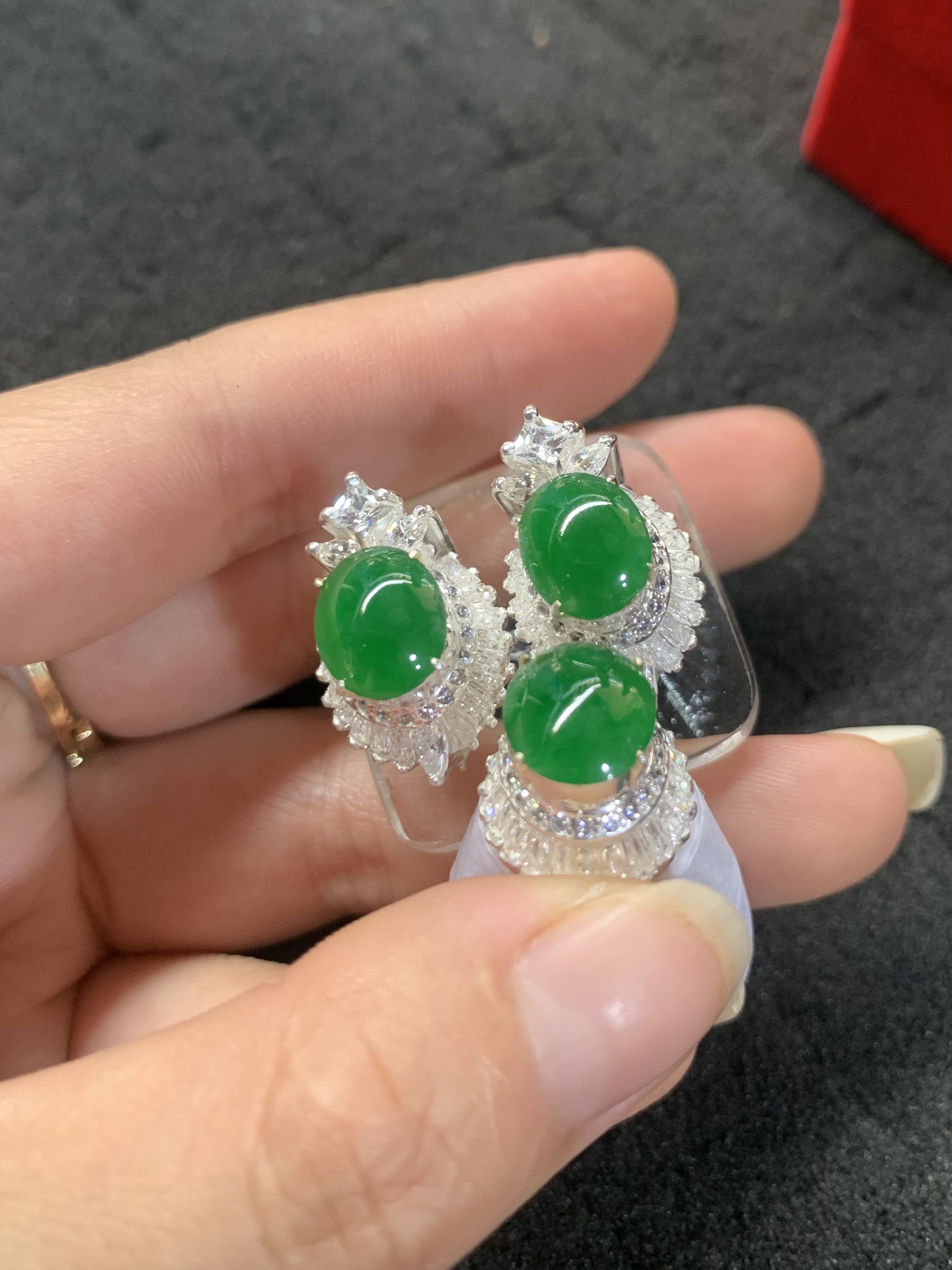
Continue Reading
More from the Jade Guide
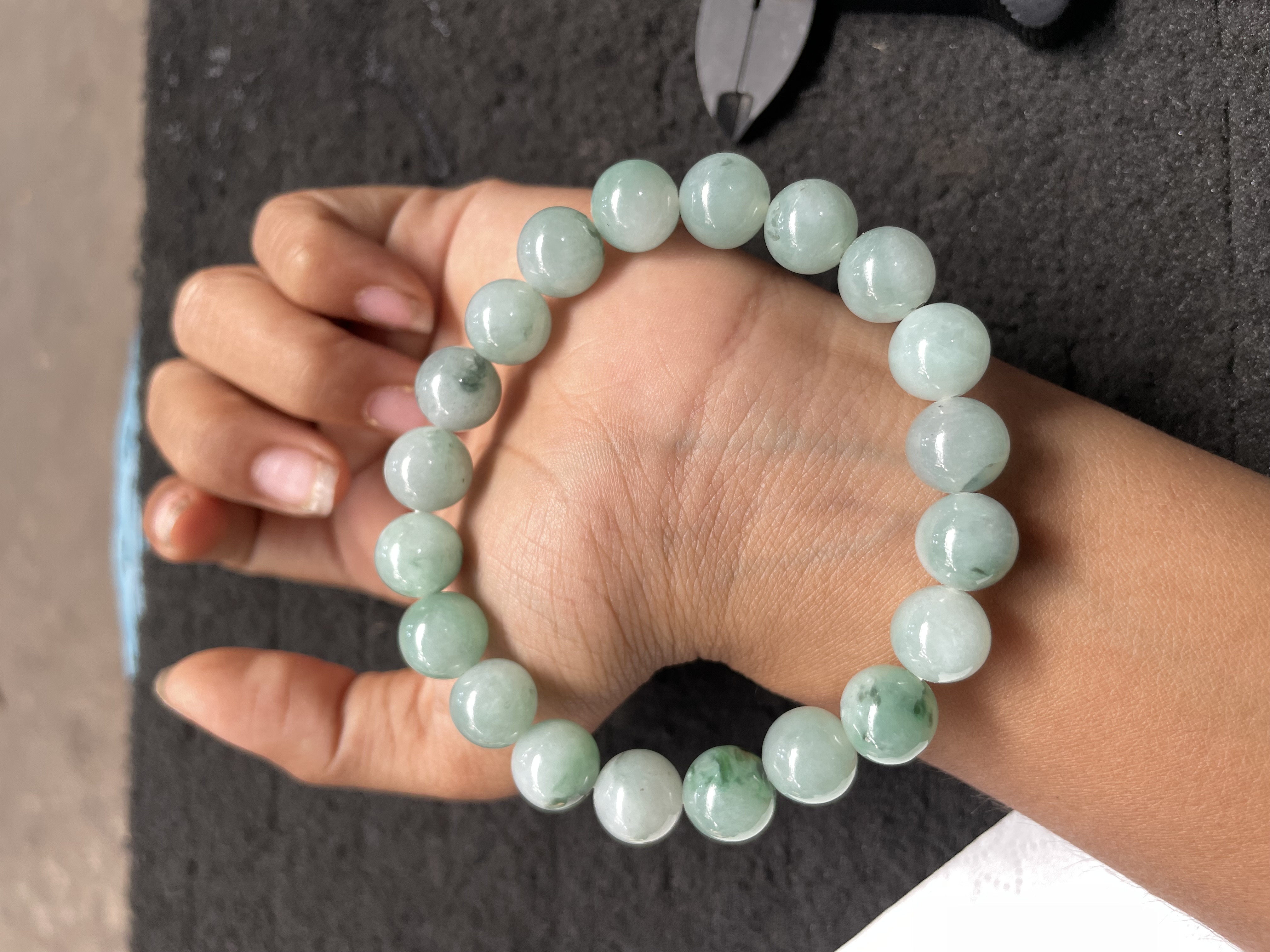 Jadeite Jade
 Investment Guide for Beginners: Core Principles and Identification
A comprehensive guide for beginners entering the jadeite jade market, covering quality evaluation, natural A-grade identification, and investment essentials.
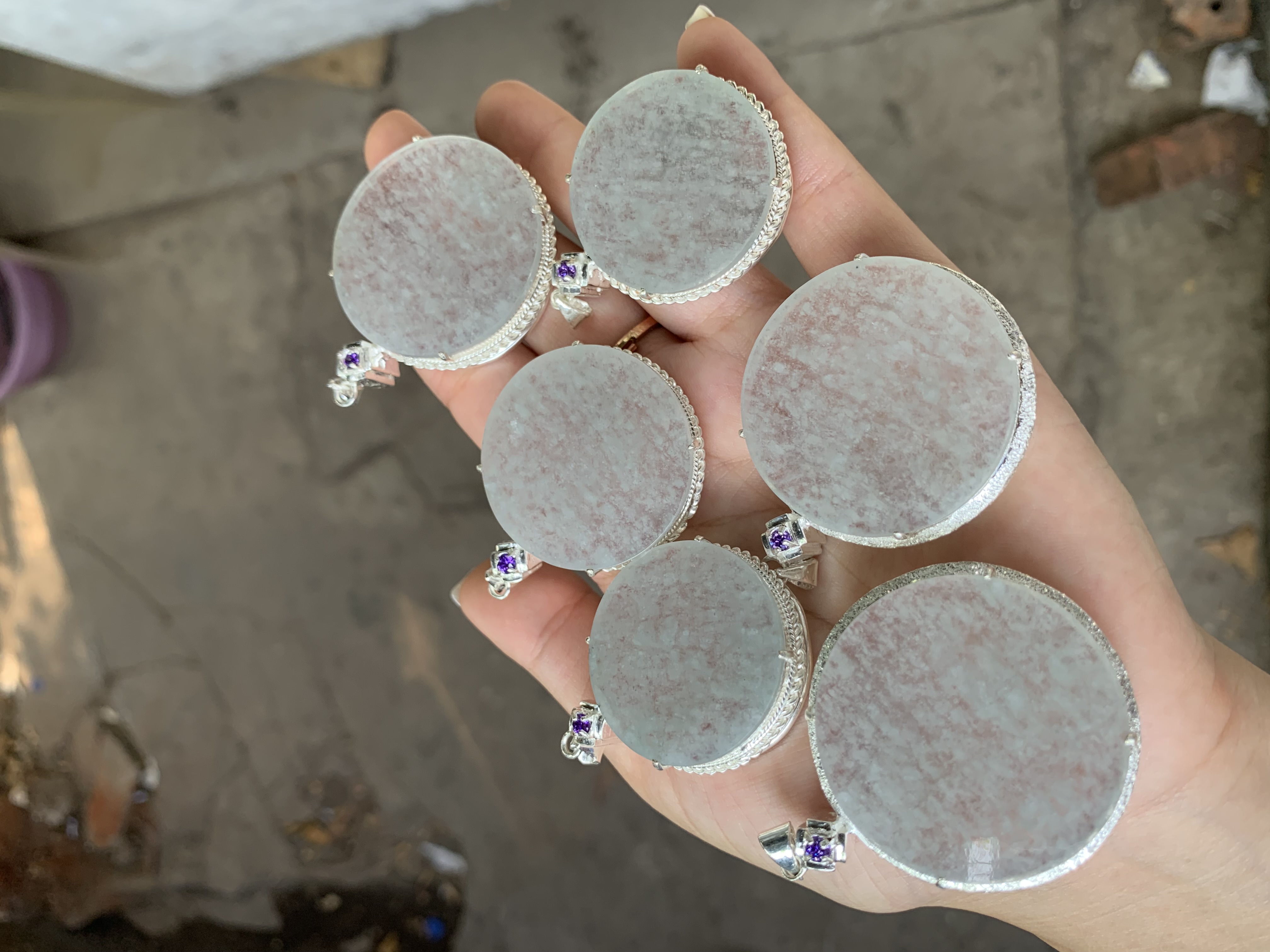 Type A jadeite
Mastering A-Grade Jadeite Identification: An Expert's Guide from Myanmar
Navigate the complex world of A-grade jadeite with insights from a Myanmar expert, covering identification, market trends, and investment value.
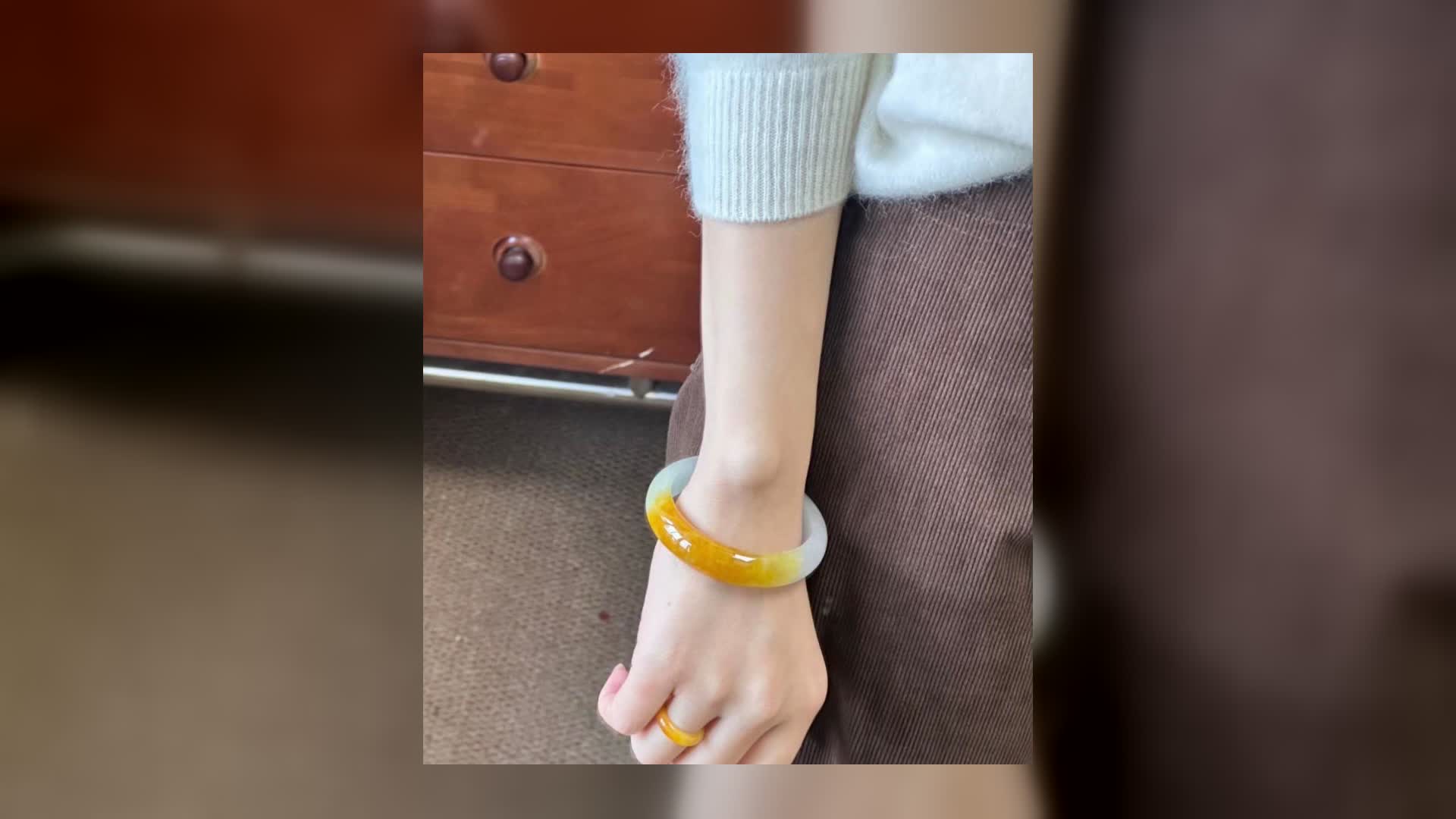 Jadeite
 vs. Nephrite: Understanding the Differences in Luxury Jade
Delve into the distinct characteristics of Jadeite and Nephrite, the two types of natural jade, crucial for collectors and investors.