Mastering A-Grade Jadeite Identification: An Expert's Guide from Myanmar
Navigate the complex world of A-grade jadeite with insights from a Myanmar expert, covering identification, market trends, and investment value.
Mastering A-Grade Jadeite Identification: An Expert's Guide from Myanmar
This guide provides a comprehensive analysis of A-grade jadeite identification methods, drawing on decades of market observation and hands-on experience in Myanmar. Learn how to distinguish genuine, untreated jadeite from treated counterparts to protect your investment.
As a veteran journalist and SEO expert deeply embedded in the jadeite industry, particularly from my vantage point in Mandalay, I've witnessed the ebb and flow of this fascinating market. The allure of Myanmar Jadeite is undeniable, but distinguishing genuine, untreated 'A-grade' jadeite from its treated counterparts is paramount for both collectors and investors. This guide, drawing on decades of market observation and hands-on experience, will provide a comprehensive analysis of A-grade jadeite identification methods.
Understanding A-Grade Jadeite: The Foundation of Value

Firstly, let's clarify what 'A-grade' means. It refers to natural jadeite that has not undergone any artificial chemical treatment, resin impregnation, or dyeing. Its color, texture, and transparency are entirely natural. This purity is what gives A-grade jadeite its enduring beauty and significant jadeite investment value. Any treatment, even subtle, diminishes its grade to B, C, or B+C, drastically reducing its worth.
The Crucial Role of Visual Inspection and Tactile Sensation
When I'm at the Mandalay Gem Market or directly engaging with suppliers from the Hpakant mining area, my first line of defense is always a meticulous visual inspection. Look for the natural luster of jadeite, often described as a 'glassy' or 'oily' sheen. Treated jadeite (B or C goods) often exhibits a dull, waxy, or plastic-like luster due to the resin filling or surface etching. Run your finger across the surface; A-grade jadeite feels cool and smooth, with a distinct, almost 'slippery' quality. B-grade jadeite might feel slightly rougher or stickier due to the polymer.
Observe the color distribution. Natural color in A-grade jadeite often shows a 'root' or 'vein' like structure, with slight variations and natural inclusions. Treated jadeite, especially C-grade, will have unnaturally uniform or 'floating' colors, sometimes concentrating along fissures, which is a dead giveaway.
Advanced Identification Techniques: Beyond the Naked Eye
While basic observation is vital, truly discerning A-grade jadeite requires more sophisticated methods:
1. The 'Tap Test' and Sound Resonance
Gently tap two pieces of A-grade jadeite together, or tap a single piece with a hard, non-metallic object. A clear, crisp, and resonant 'ding' sound indicates natural jadeite. Treated jadeite, particularly B-grade with resin filling, will produce a dull, muffled, or 'clunky' sound due to the altered internal structure. This is a technique widely used by experienced traders in the Mandalay jewelry street.
2. Magnification and Internal Structure (The 'Orange Peel' Effect)
Using a 10x loupe is indispensable. Examine the surface and internal structure. A-grade jadeite, especially high-quality ice-jadeite or glass-jadeite, will show a fine, interwoven fibrous structure. Treated B-grade jadeite often displays a distinct 'orange peel' texture on its surface under magnification, caused by acid etching and subsequent resin filling. The resin itself might appear as cloudy or bubbly areas within the jadeite.
3. Ultraviolet (UV) Light Test
A simple UV lamp can be a powerful tool. Most natural A-grade jadeite does not fluoresce or shows only a very weak, inert reaction under long-wave UV light. However, many B-grade jadeites, due to the resin impregnation, will fluoresce a distinct blue, yellow, or greenish-white color. This is a quick and effective preliminary test.
4. Specific Gravity Test (Hydrostatic Weighing)
This is a more scientific method. A-grade jadeite has a specific gravity ranging from 3.30 to 3.36. Treated jadeite, with its resin fillers (specific gravity around 1.1-1.2), will have a lower overall specific gravity. While not practical for on-the-spot market checks, it's a definitive lab test.
The Importance of Jadeite Identification Certificates
In today's market, especially for significant investments, a reputable Jadeite Identification Certificate is non-negotiable. Certificates from recognized institutions like GGTL, GIA, or local Myanmar gemological labs provide an objective assessment. For instance, an ice-jadeite bangle with an inner diameter of 55mm, an A-grade piece, fetched USD 42,000 at the Hpakant public auction market on March 8, 2026, with an accompanying GGTL certificate, underscoring the value of certification. Similarly, a glutinous-ice Imperial Green jadeite cabochon of 8.2ct, confirmed A-grade, sold for USD 102,600 to a Korean collector at Mandalay's jewelry street on March 12, 2026, backed by a GIA certificate.
Market Insights and Investment Trends (February-March 2026)
Recent market activity further illustrates the premium placed on authenticated A-grade jadeite. From February to March 2026, the Myanmar gem market saw robust transactions. At the Hpakant mining area, a 55mm inner diameter A-grade ice-jadeite bangle was acquired by a Malaysian Chinese merchant for USD 46,200 on March 25, 2026, after on-site verification. Another notable sale was a 42mm diameter A-grade glass-jadeite 'Ping An Kou' (peace buckle) which reached USD 62,700 for an Indonesian buyer at the Hpakant public auction on February 5, 2026, demonstrating strong demand for high-quality pieces.
In Mandalay, beyond the Imperial Green cabochon, a 52x35mm A-grade glutinous-ice jadeite dragon pendant sold for USD 12,300 to a Taiwanese collector on February 11, 2026, at the Mandalay jewelry street, again after on-site inspection. Even at the Naypyidaw Gem Exchange, a similar 8.2ct A-grade glutinous-ice Imperial Green jadeite cabochon achieved USD 105,400 for a US buyer on March 16, 2026, through competitive bidding, slightly higher than the Mandalay sale, perhaps due to the specific auction environment.
The Yangon International Gem Exhibition on March 6, 2026, also saw a 42mm diameter A-grade glass-jadeite 'Ping An Kou' go for USD 52,100 to a Singaporean jeweler with a GGTL certificate. A particularly impressive transaction was an A-grade old pit ice-jadeite round bead necklace (8mm x 36 beads) that fetched USD 83,500 for a Singaporean jeweler at the Yangon Gem Expo on February 26, 2026, highlighting the continued appeal of classic, high-quality pieces.
These transactions, totaling approximately USD 639,100 across 12 records (8 jadeite, 4 other gemstones) in just two months, underscore the vibrant market and the unwavering demand for genuine A-grade jadeite. The jadeite 'kind' and 'water' (texture and transparency) remains a key determinant of value, with ice-jadeite and glass-jadeite commanding top prices.
Conclusion: Partnering with Trustworthy Sources
Navigating the complex world of jadeite requires diligence, knowledge, and above all, trust. As a journalist who often works with Mandalay source suppliers who directly connect with the Hpakant mining area, I cannot overstate the importance of purchasing from reputable dealers. They not only guarantee authenticity but also provide the necessary documentation. Investing in A-grade jadeite is not just about owning a beautiful gem; it's about acquiring a piece of natural art with significant and lasting value. Always prioritize certification and deal with transparent, knowledgeable vendors to ensure your investment is sound.
Questions About a Piece?
Ask about current availability, a written quote, and any report that applies to the exact piece you are considering.
Consult on WhatsApp
Continue Reading
More from the Jade Guide
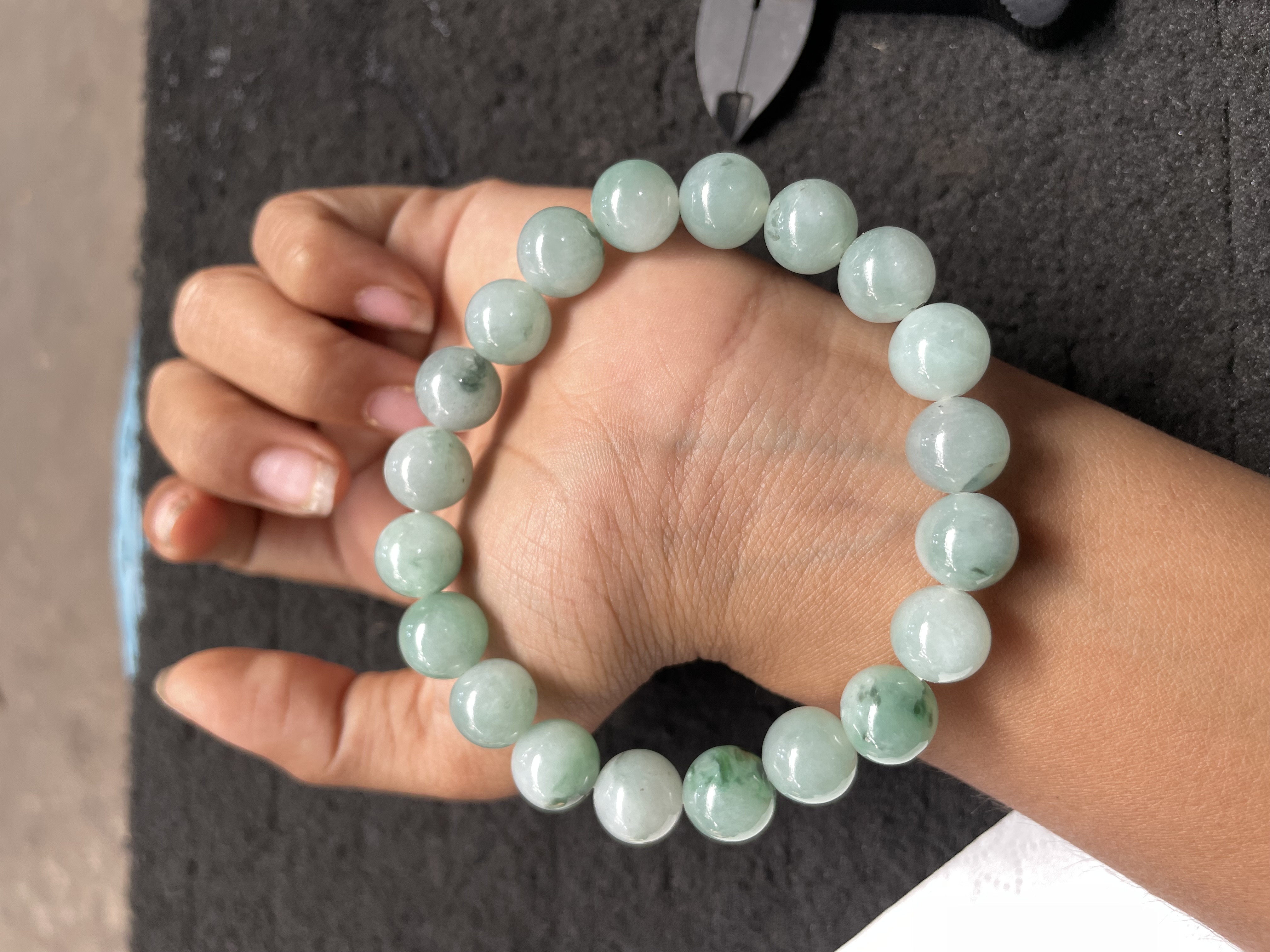 Jadeite Jade
 Investment Guide for Beginners: Core Principles and Identification
A comprehensive guide for beginners entering the jadeite jade market, covering quality evaluation, natural A-grade identification, and investment essentials.
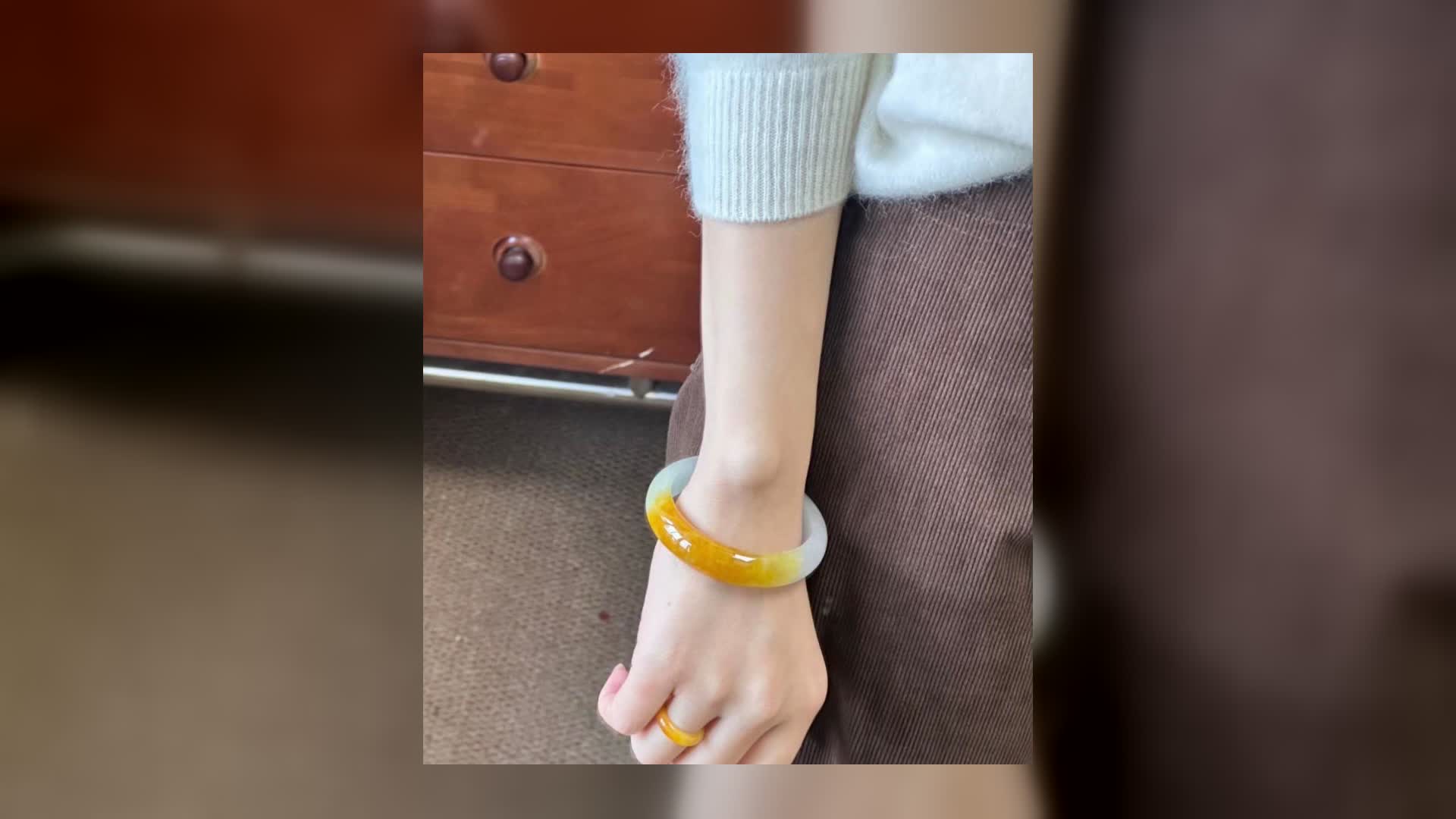 Jadeite
 vs. Nephrite: Understanding the Differences in Luxury Jade
Delve into the distinct characteristics of Jadeite and Nephrite, the two types of natural jade, crucial for collectors and investors.
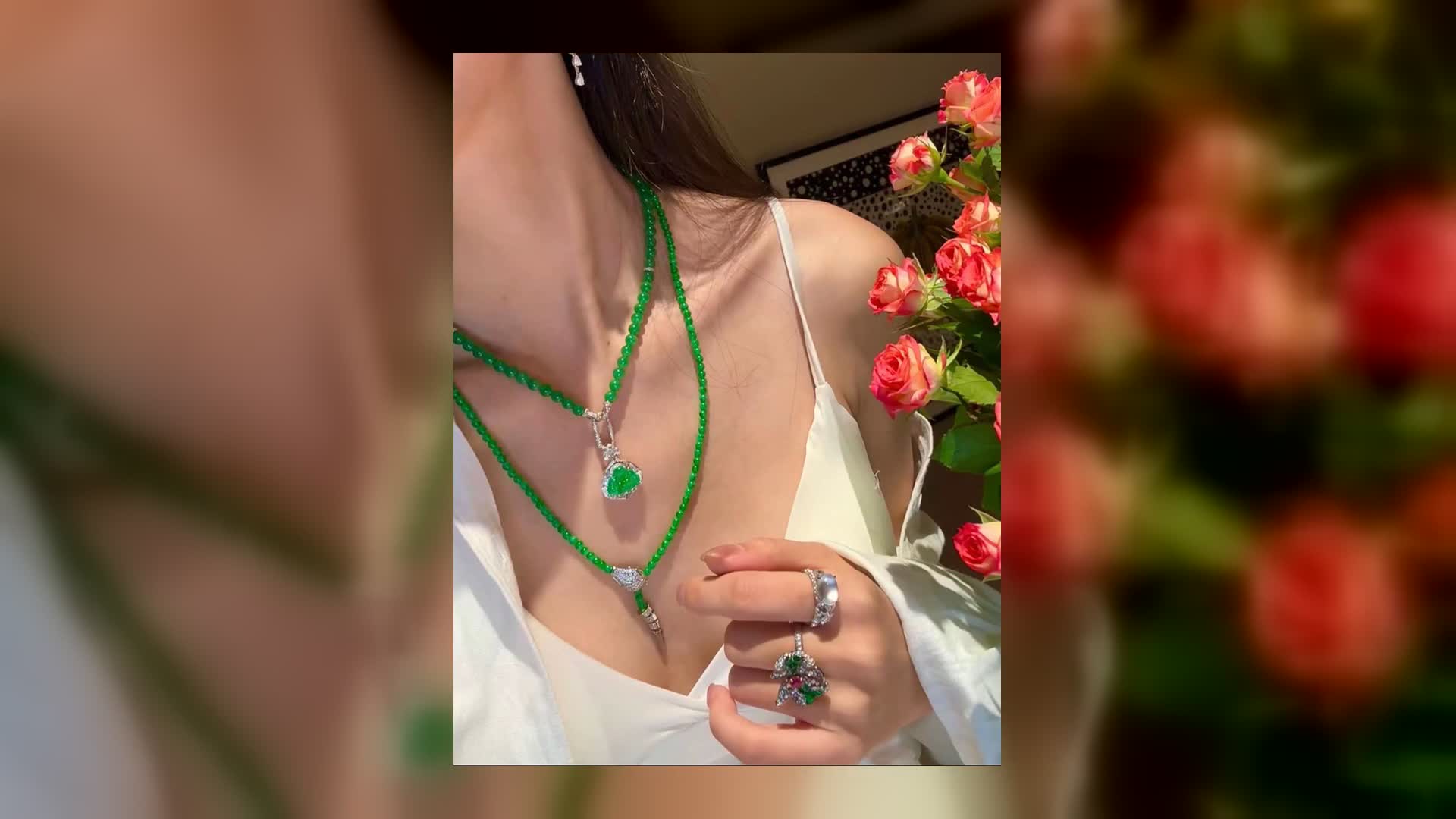
How to Choose a Luxury English Name for a Jadeite Brand
How to Choose a Luxury English Name for a Jadeite Brand A luxury jadeite brand name should do more than sound expensive. It should be memorable, reflect the character of the business, and feel natural wherever customers encounter it—from a jewelry box and website to a livestream introduction.