

Jadeite vs. Nephrite: Understanding the Differences in Luxury Jade
Delve into the distinct characteristics of Jadeite and Nephrite, the two types of natural jade, crucial for collectors and investors.
Jadeite vs. Nephrite: Understanding the Differences in Luxury Jade
For centuries, the allure of jade has captivated civilizations, from ancient emperors to modern-day connoisseurs. However, what many refer to simply as 'jade' actually encompasses two distinct mineral species: Jadeite and Nephrite. While both are cherished for their beauty and cultural significance, their geological origins, physical properties, and, crucially, their value in the luxury market differ significantly. For discerning collectors and investors, understanding these distinctions is paramount. Myanmar Jadeite, a leading source-level supplier with direct mine access in Mandalay, is uniquely positioned to offer insights into the world of authentic jade.
The Geological Divide: Formation and Origin
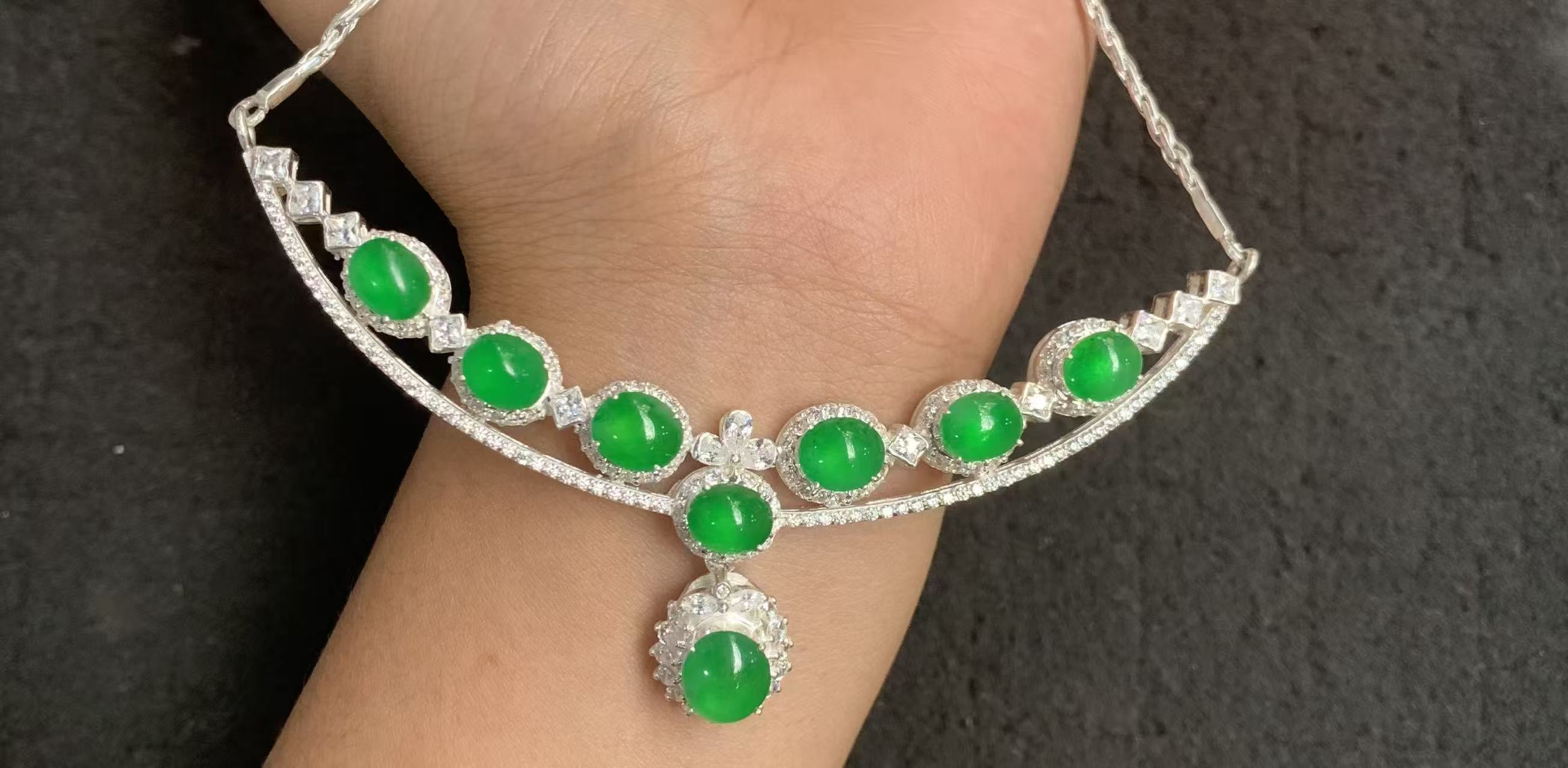
The most fundamental difference between Jadeite and Nephrite lies in their mineral composition and formation.
Jadeite: The Emperor's Stone
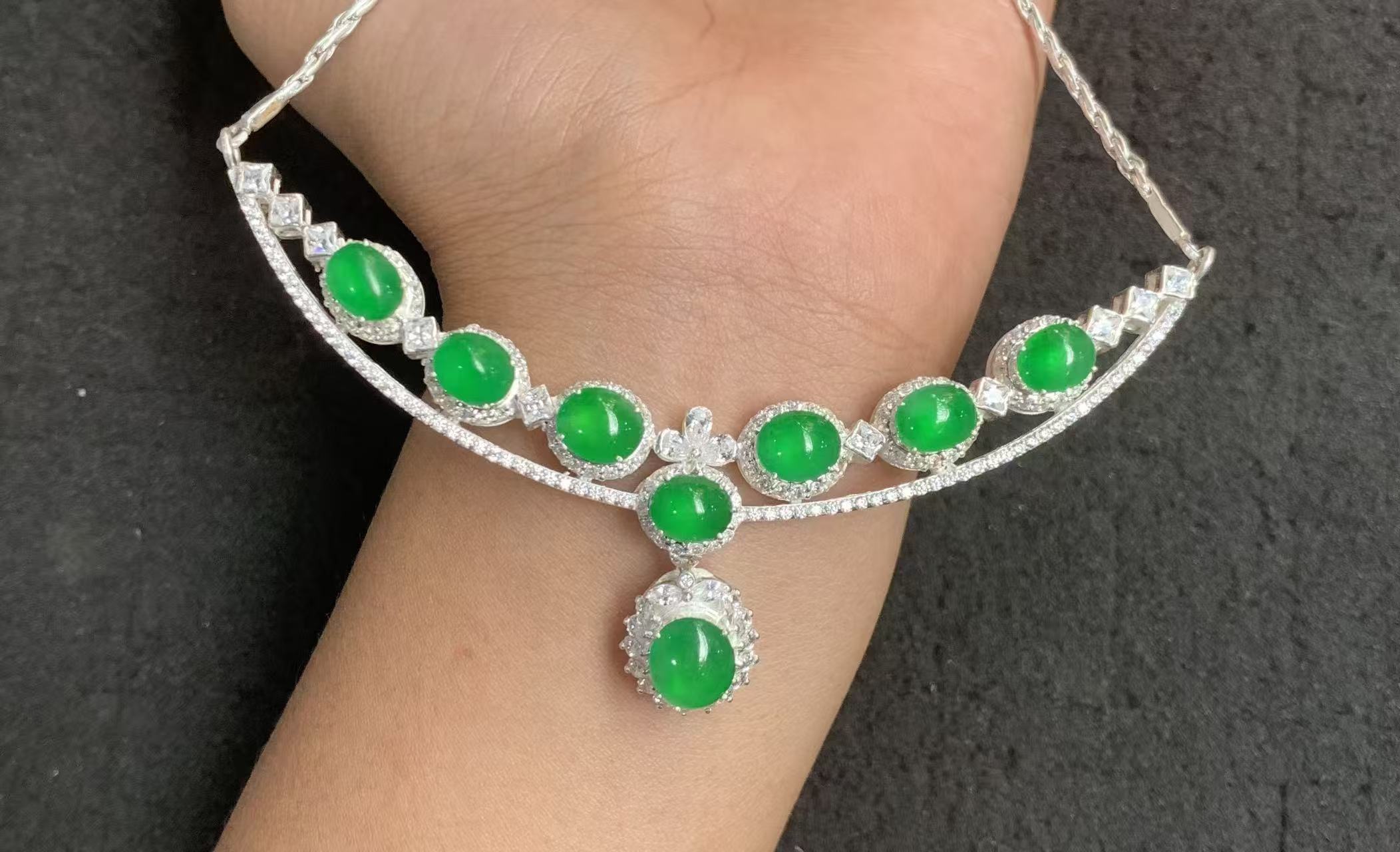
Jadeite is a pyroxene mineral, a sodium aluminum silicate. It forms under extremely high pressure and relatively low temperatures, typically found in subduction zones where tectonic plates collide. This intense geological process is why Jadeite is much rarer than Nephrite. The most prized Jadeite, known as Burmese Jadeite, originates almost exclusively from the remote region of Hpakant in Myanmar (formerly Burma). This specific geological environment in Hpakant produces Jadeite of unparalleled color, translucency, and texture, making it the gold standard for luxury jade. The material from this region is often referred to as Old Mine Jadeite, signifying its superior quality and historical provenance.
Nephrite: The Ancient Jade
Nephrite, on the other hand, is an amphibole mineral, a calcium magnesium iron silicate. It forms under less extreme conditions, often found in metamorphic rocks. Historically, Nephrite was the primary jade used in ancient China, New Zealand (Pounamu), and Central America. While beautiful and durable, its formation process allows for more widespread deposits globally, making it generally more abundant than Jadeite.
Physical Characteristics: A Closer Look
While both minerals exhibit a similar toughness, making them resistant to breakage, their other physical properties offer clear differentiation.
Color and Luster
Jadeite boasts a wider and often more vibrant spectrum of colors, ranging from intense greens (the highly coveted "Imperial Jade"), lavender, yellow, red, black, and white. Its luster is typically vitreous (glassy) to sub-vitreous, giving it a bright, almost glowing appearance when polished. The most valuable Jadeite exhibits a semi-transparent to translucent quality, allowing light to penetrate and reveal its inner beauty.
Nephrite's color palette is generally more subdued, primarily found in shades of green (from dark forest green to creamy spinach green), white, and sometimes black. Its luster is typically greasy to waxy, giving it a softer, more subtle sheen compared to Jadeite's often more brilliant polish. Nephrite is usually opaque or semi-translucent.
Texture and Density
Jadeite has a granular, interlocking crystal structure that contributes to its exceptional toughness and allows for a very smooth, fine polish. It is also denser than Nephrite, a characteristic sometimes discernible by experienced hands.
Nephrite has a fibrous, felted crystal structure, which also contributes to its toughness. Its texture can sometimes feel slightly more waxy or soapy to the touch compared to Jadeite.
Value and Investment: Why Jadeite Reigns Supreme
When it comes to investment jadeite, the distinction between Jadeite and Nephrite becomes critical. While both have cultural value, Jadeite, particularly high-quality Burmese Jadeite, commands significantly higher prices and offers greater investment potential.
Rarity and Demand
The extreme rarity of gem-quality Jadeite, especially from Hpakant, coupled with its immense demand in Asian markets, drives its high value. Type A Jadeite – natural, untreated Jadeite – is particularly sought after. Its vibrant colors, superior translucency, and fine texture make it a luxury commodity, often outperforming other precious gemstones in terms of price appreciation. Mandalay Jade, sourced directly from Myanmar, represents the pinnacle of this quality.
Nephrite, while still valued, does not typically reach the same stratospheric prices as top-tier Jadeite due to its greater availability and generally less vibrant appearance. However, antique Nephrite pieces with historical significance can still fetch considerable sums.
Authenticity and Treatment
For both types of jade, authenticity is key. However, with Jadeite's higher value, the market sees more attempts at enhancement or imitation. Understanding the classifications of Jadeite (Type A, B, C, and B+C) is vital for investors. Type A Jadeite is completely natural and untreated, retaining its original color and texture. Type B, C, and B+C Jadeite have undergone various chemical treatments or dyeing, significantly diminishing their value. Myanmar Jadeite specializes in sourcing and supplying only authentic, natural Type A Jadeite, ensuring the integrity of your investment.
Conclusion: The Discerning Choice
While both Jadeite and Nephrite are beautiful and historically significant, their differences are profound. For those seeking the pinnacle of luxury, rarity, and investment potential, Jadeite – particularly high-quality Burmese Jadeite from Hpakant – stands alone. Its unique geological origins, vibrant aesthetics, and superior physical properties make it a treasure coveted by collectors worldwide. As a direct supplier from Mandalay, Myanmar Jadeite offers unparalleled access to the finest Old Mine Jadeite, ensuring that every piece is not just a gemstone, but a legacy.
Questions About a Piece?
Ask about current availability, a written quote, and any report that applies to the exact piece you are considering.
Consult on WhatsApp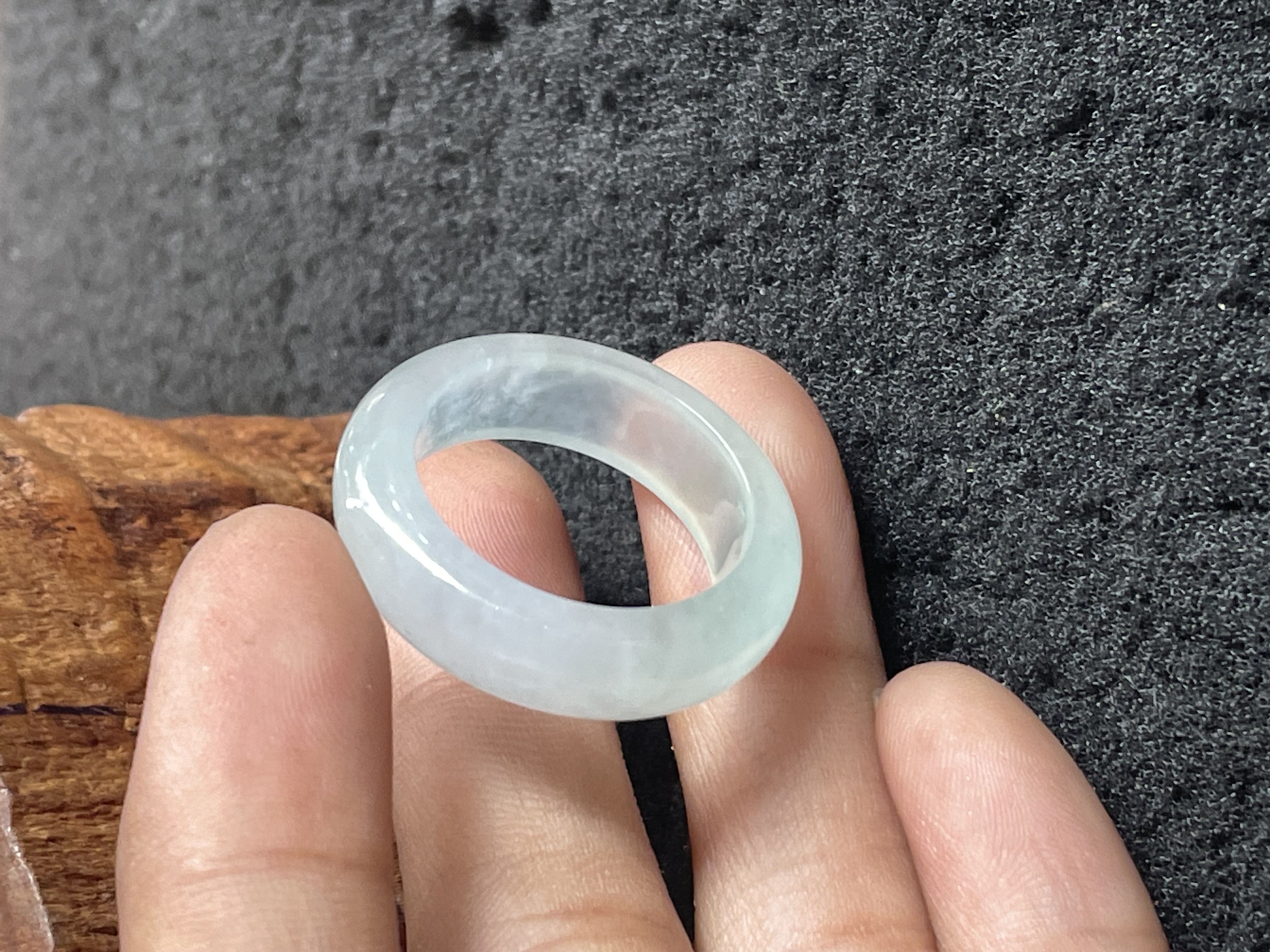
Continue Reading
More from the Jade Guide
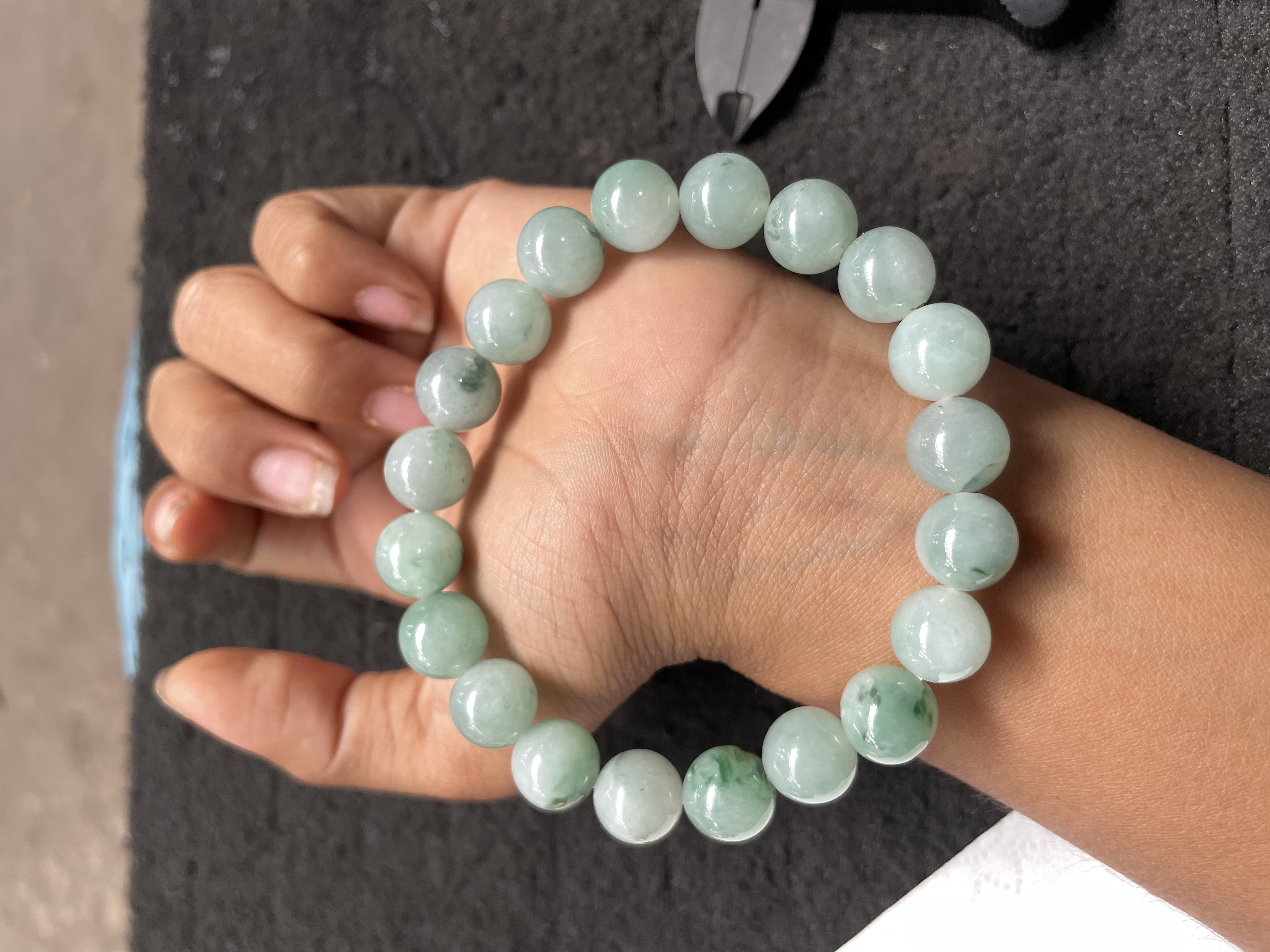 Jadeite Jade
Jadeite Jade Investment Guide for Beginners: Core Principles and Identification
A comprehensive guide for beginners entering the jadeite jade market, covering quality evaluation, natural A-grade identification, and investment essentials.
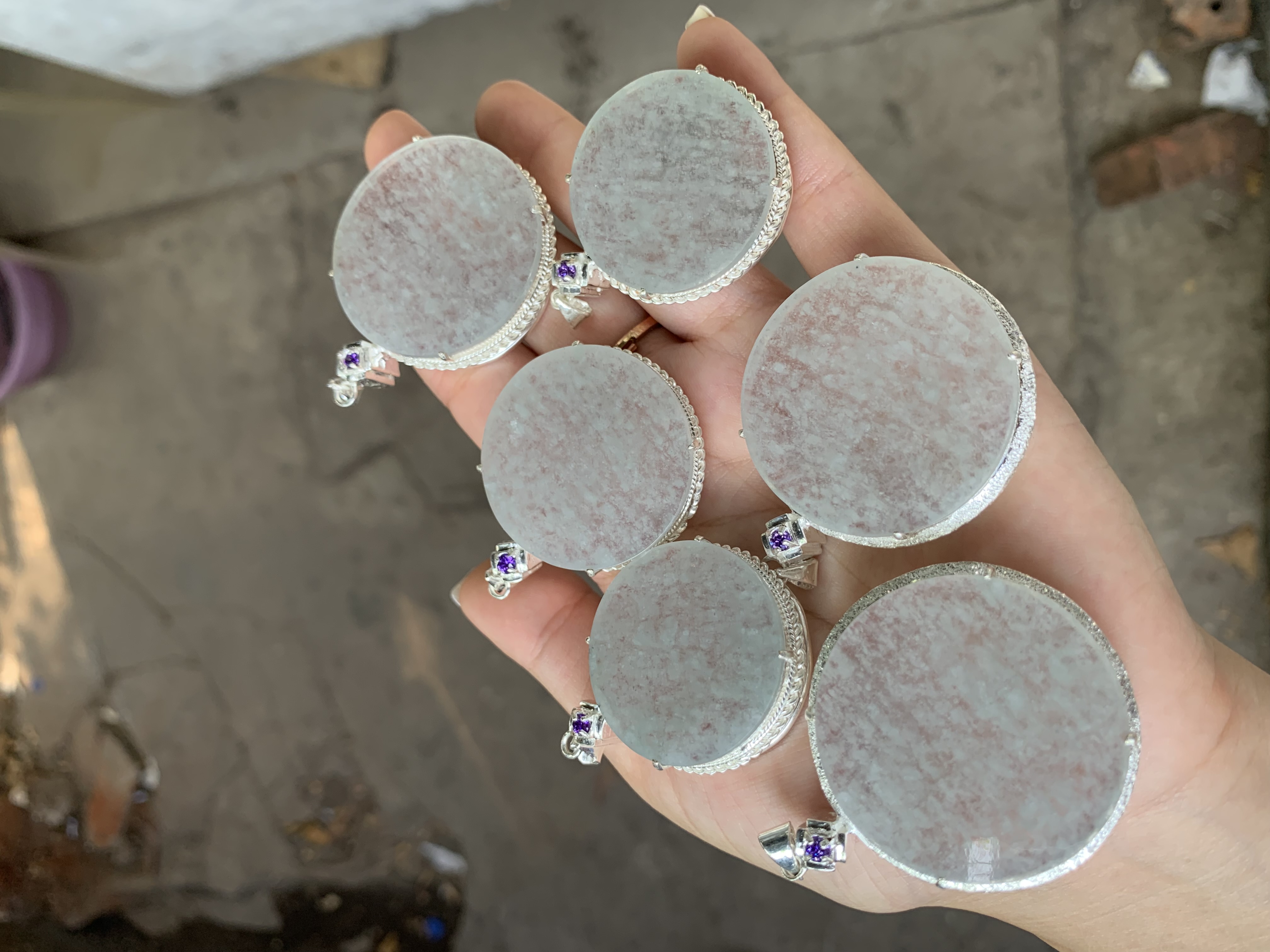 Type A jadeite
Mastering A-Grade Jadeite Identification: An Expert's Guide from Myanmar
Navigate the complex world of A-grade jadeite with insights from a Myanmar expert, covering identification, market trends, and investment value.
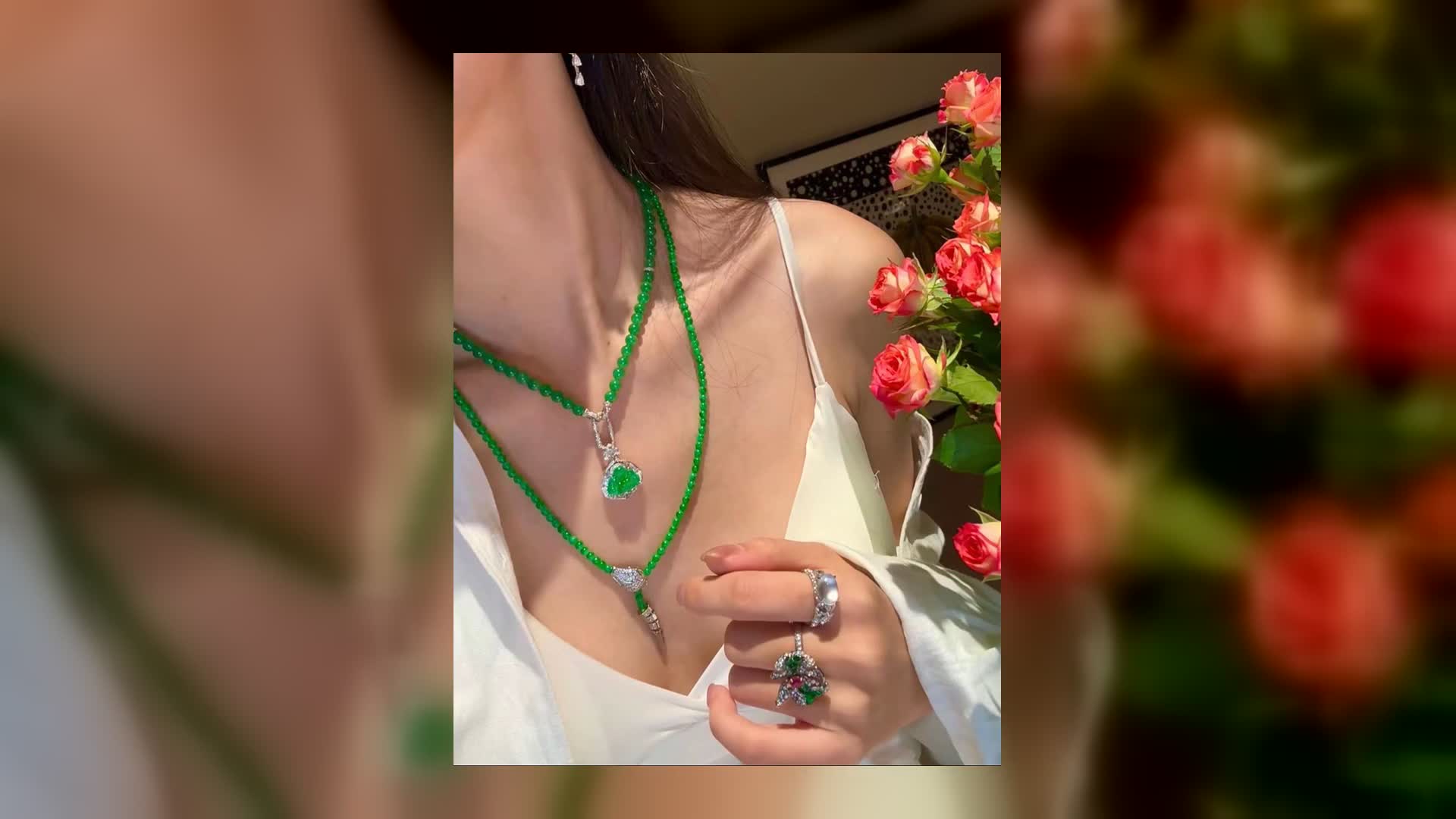
How to Choose a Luxury English Name for a Jadeite Brand
How to Choose a Luxury English Name for a Jadeite Brand A luxury jadeite brand name should do more than sound expensive. It should be memorable, reflect the character of the business, and feel natural wherever customers encounter it—from a jewelry box and website to a livestream introduction.