Old Mine Jadeite vs. New Mine: A Connoisseur's Guide to Burmese Jadeite
Explore the distinctions between Old Mine and New Mine Burmese Jadeite, understanding their value, authenticity, and investment potential.
Knowledge Center
Expert Guides

Explore the distinctions between Old Mine and New Mine Burmese Jadeite, understanding their value, authenticity, and investment potential.

Unlock the secrets of authentic Type A Jadeite, understand its investment value, and learn how to discern genuine pieces from imitations.

Explore the world of Burmese Jadeite investment, understanding its value, authenticity, and why it remains a coveted asset for discerning collectors.
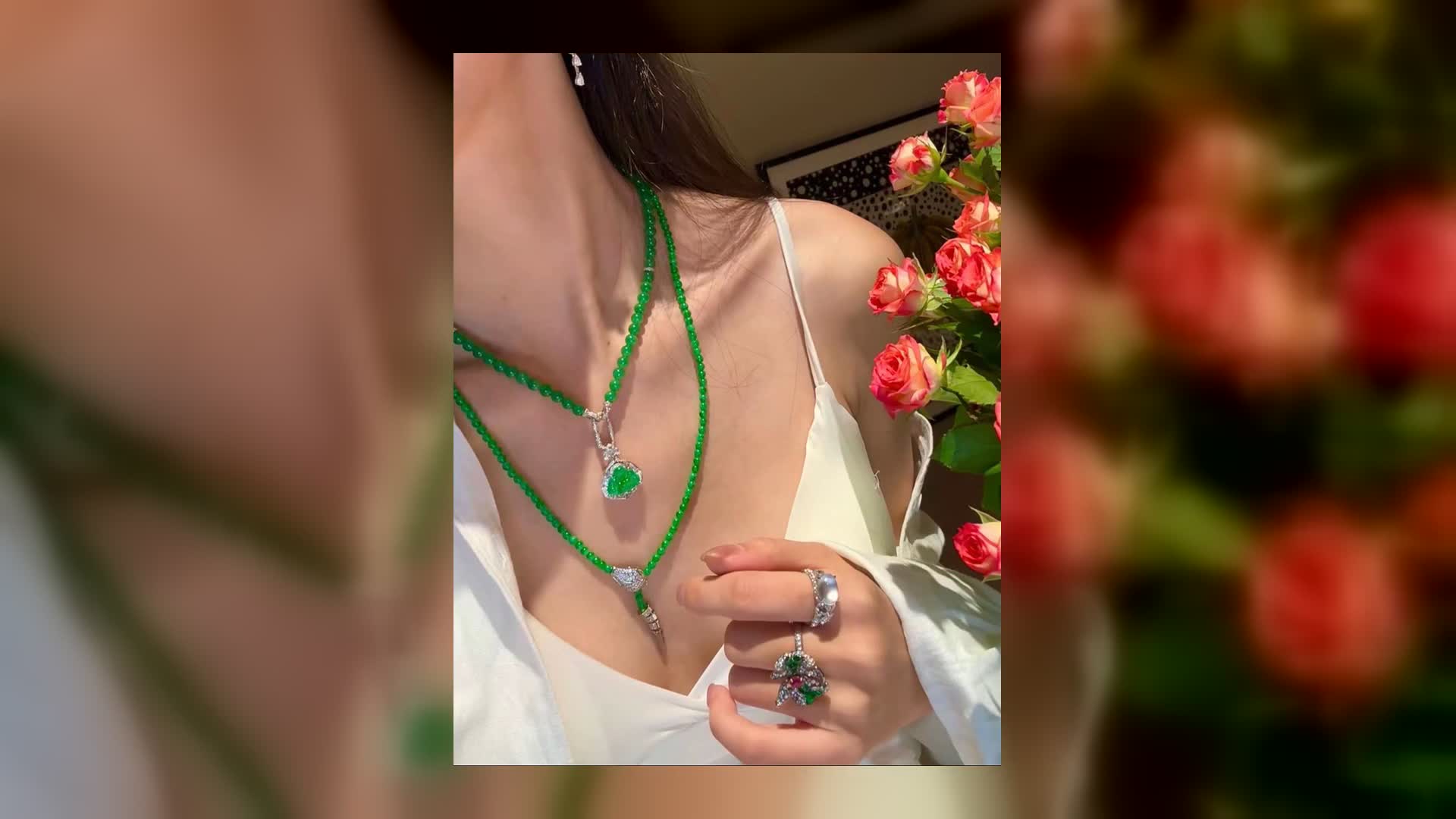
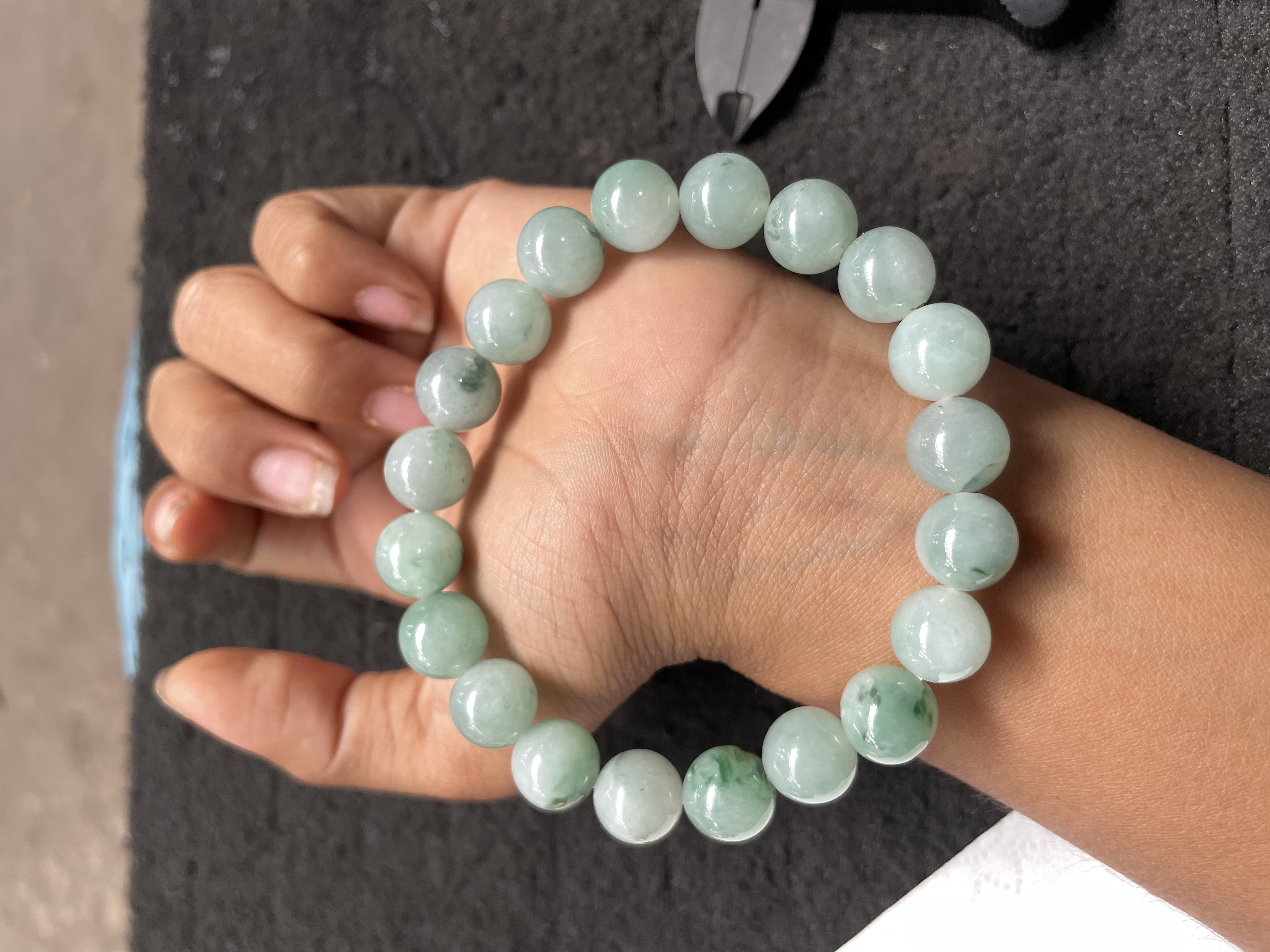
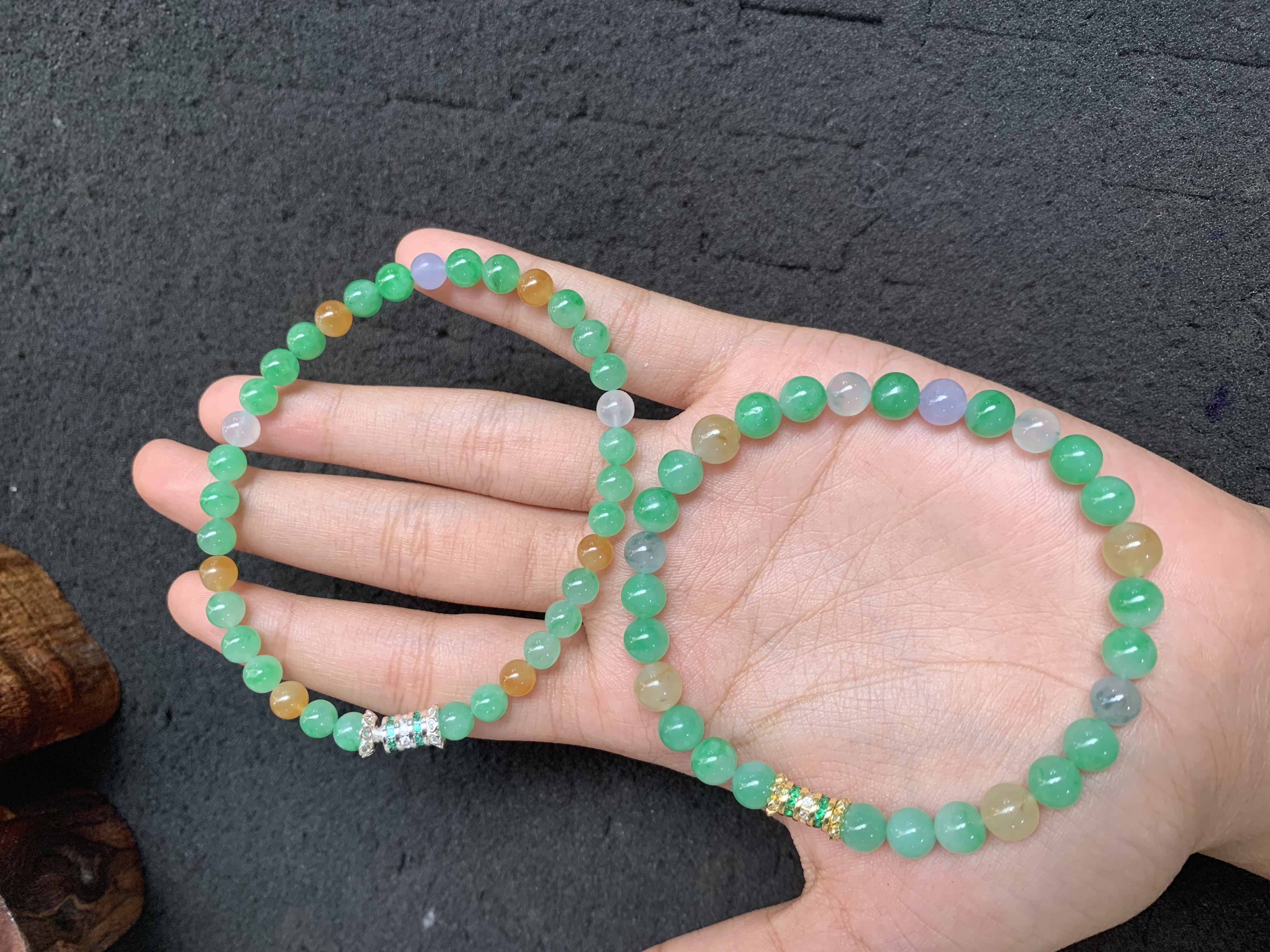
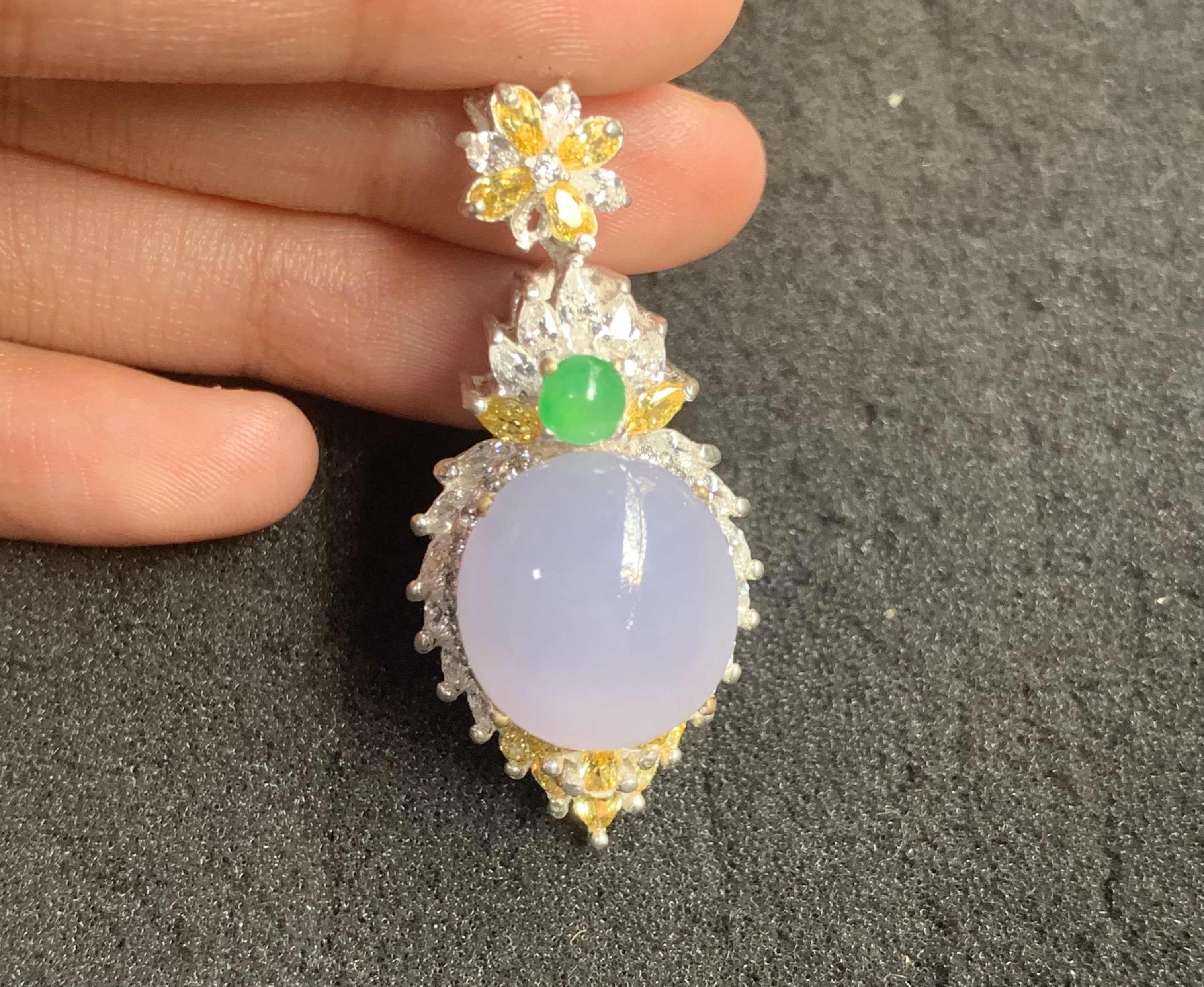
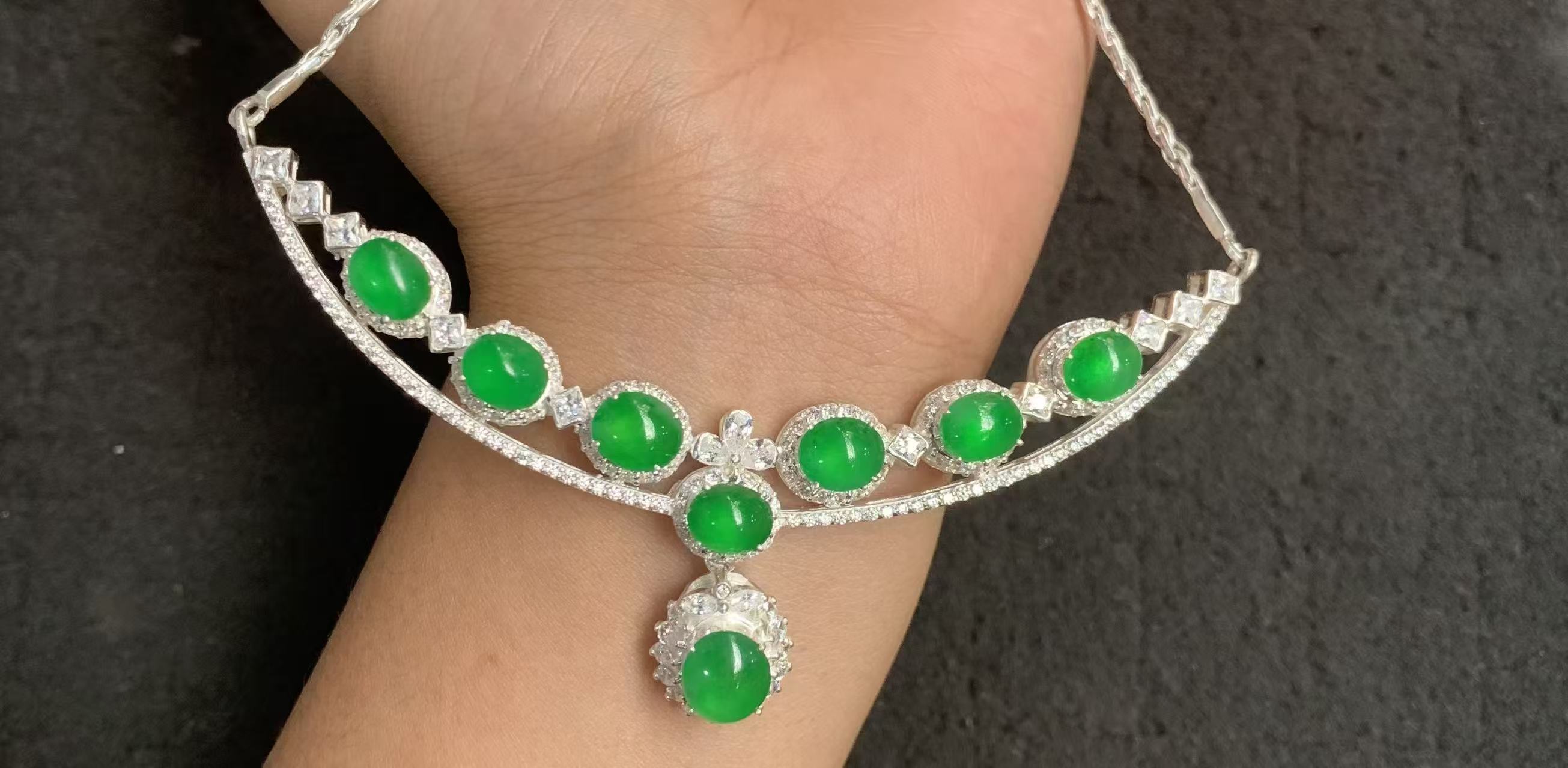
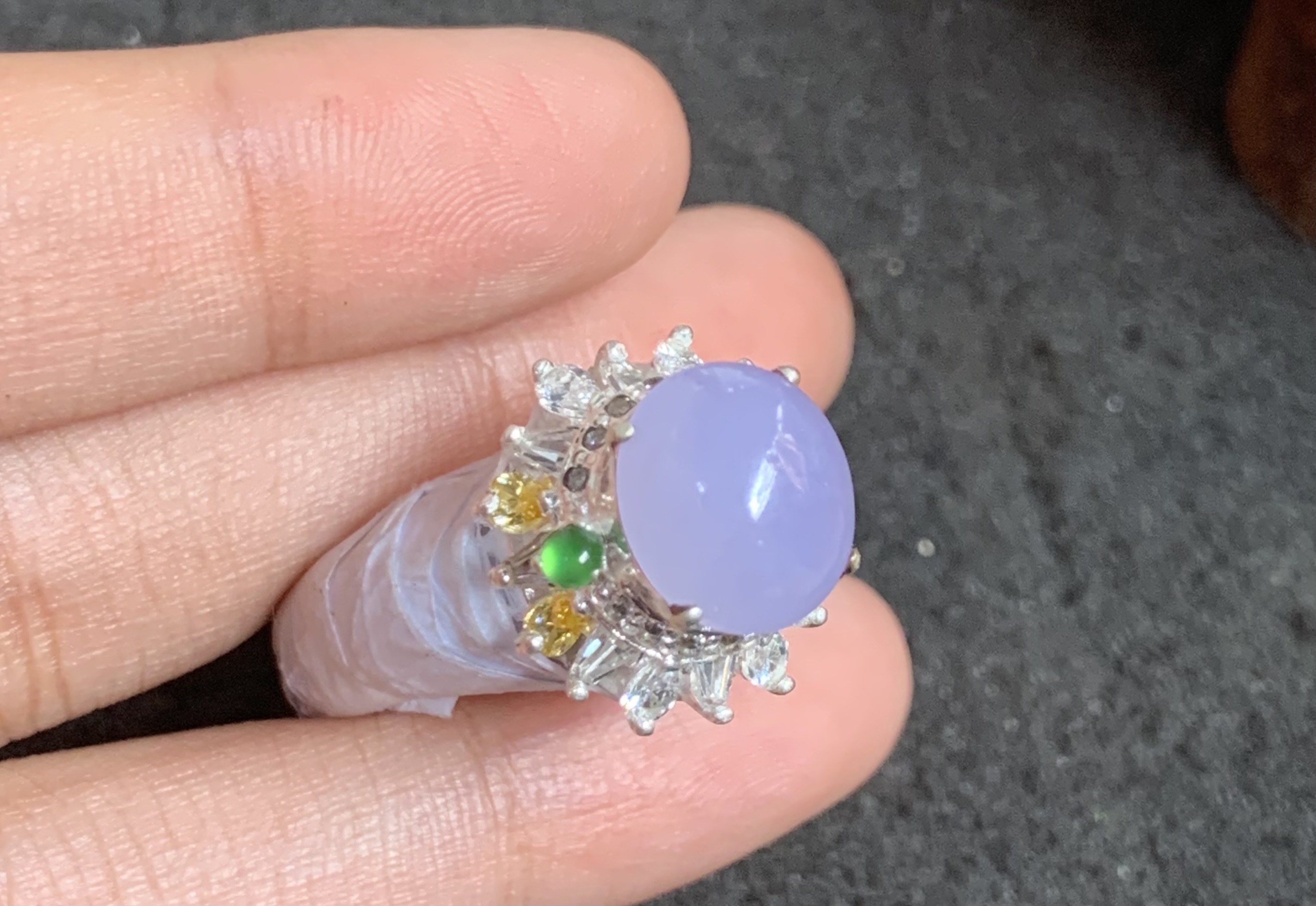
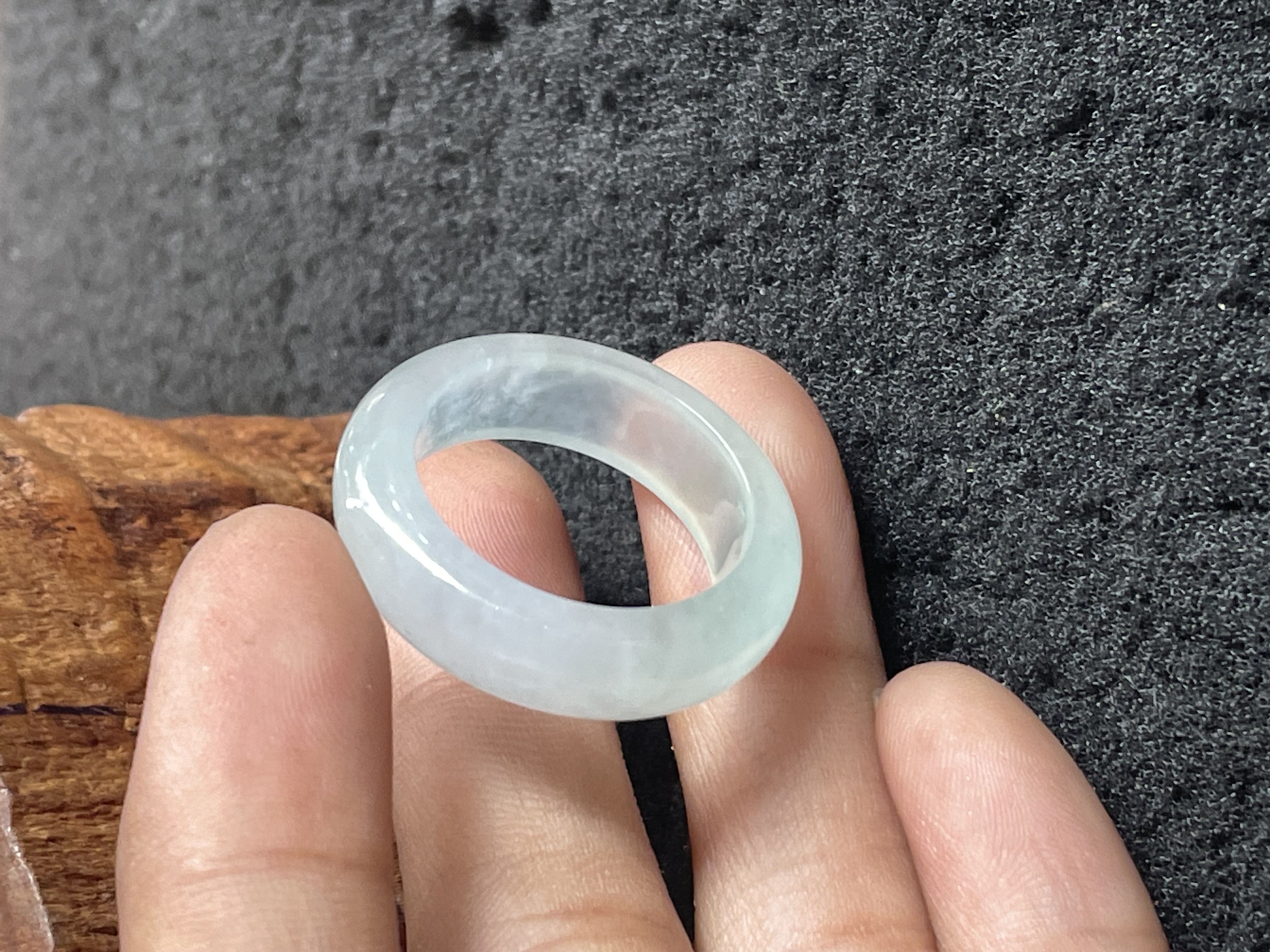
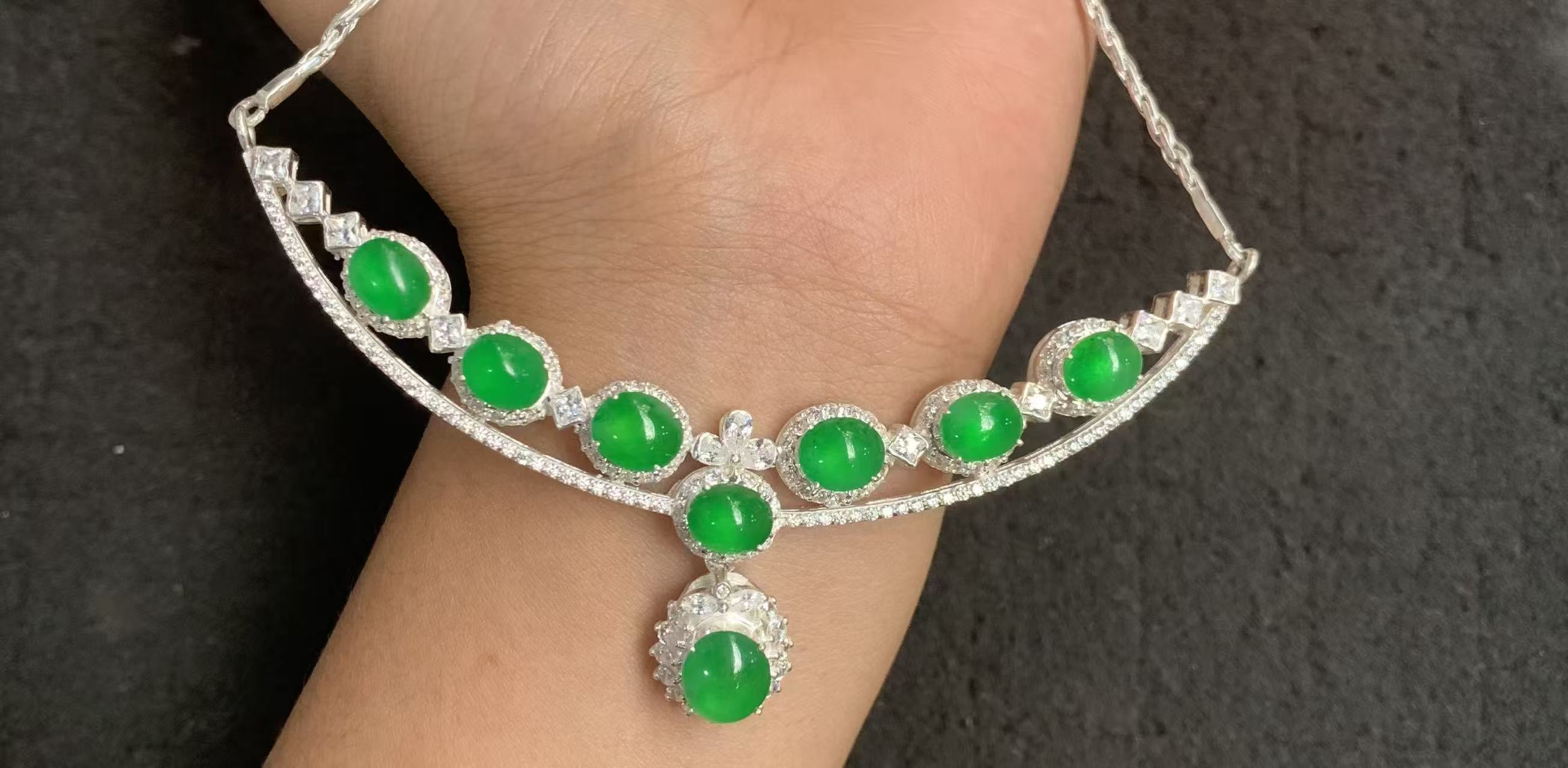
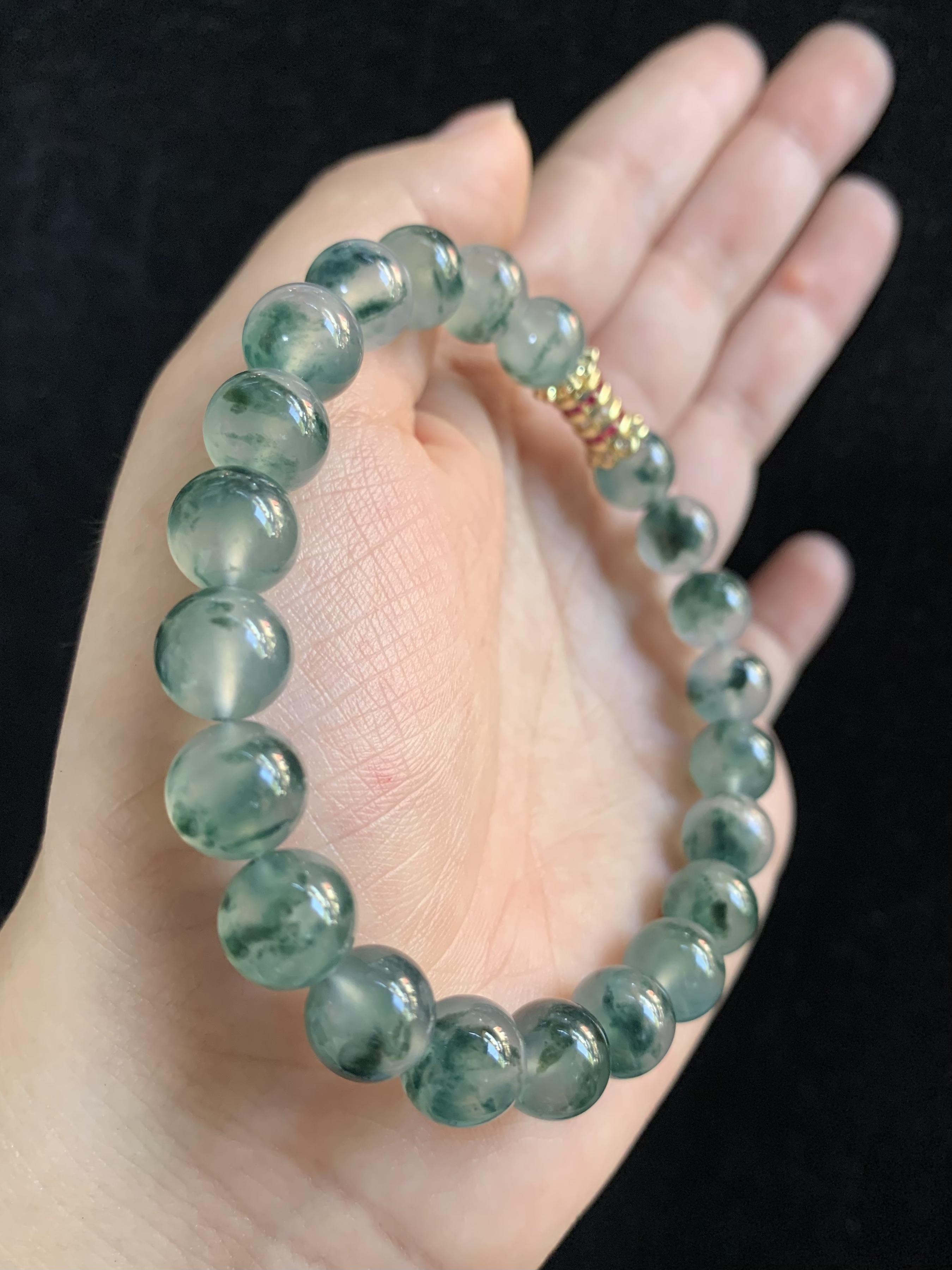
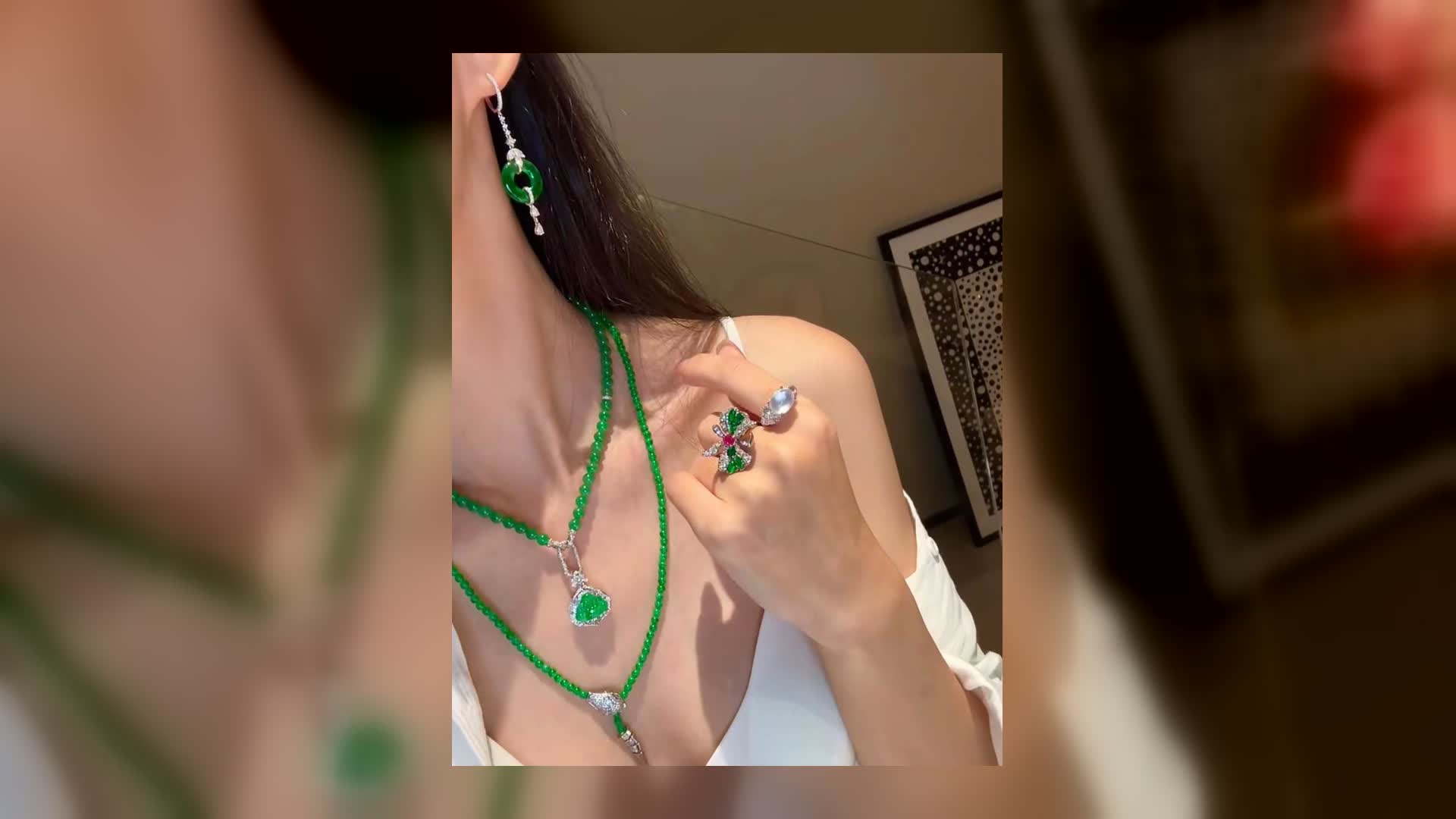
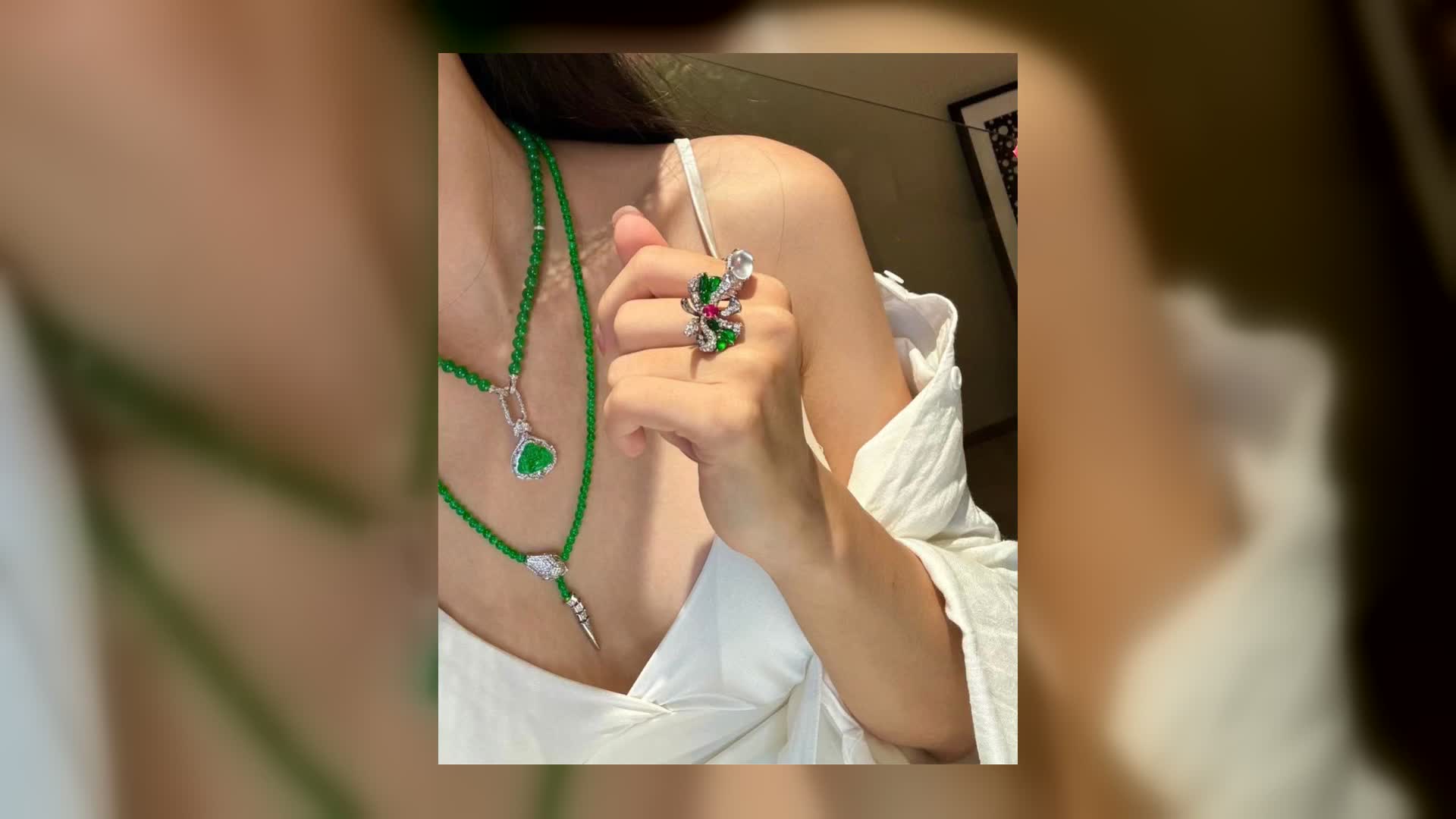
Burmese jadeite (also known as Myanmar jadeite) is widely regarded as the world's finest jade. Unlike nephrite jade found in other regions, jadeite from Myanmar's Hpakant mines in Kachin State possesses a unique combination of color, translucency, and texture that has captivated collectors and investors for centuries.
The term Mandalay jade refers to jadeite that passes through Mandalay's legendary jade market โ the commercial hub where rough stones are traded, cut, and evaluated by expert traders. Myanmar Jadeite maintains direct relationships with licensed mine operators in this ecosystem, ensuring authentic provenance for every piece.
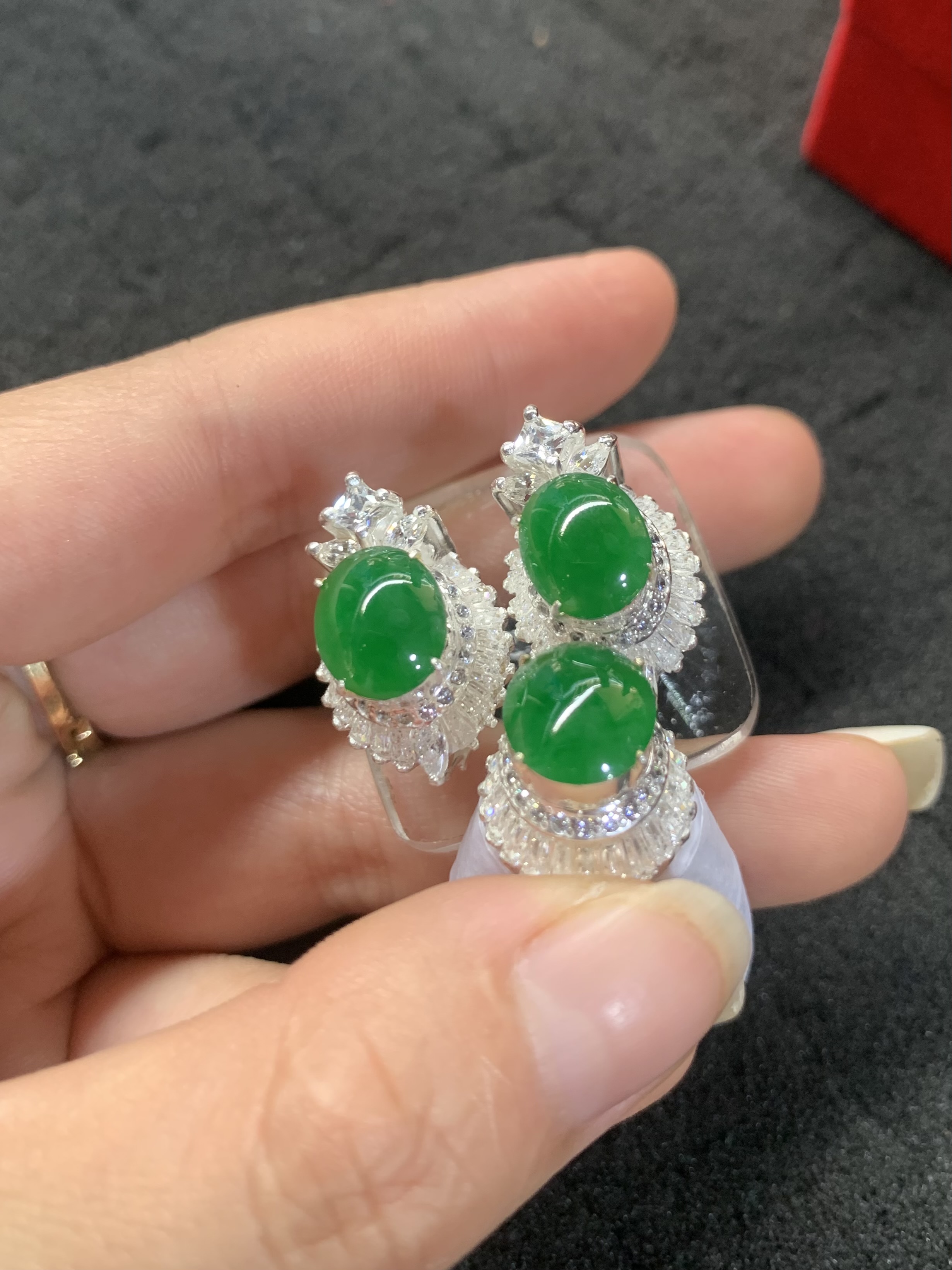
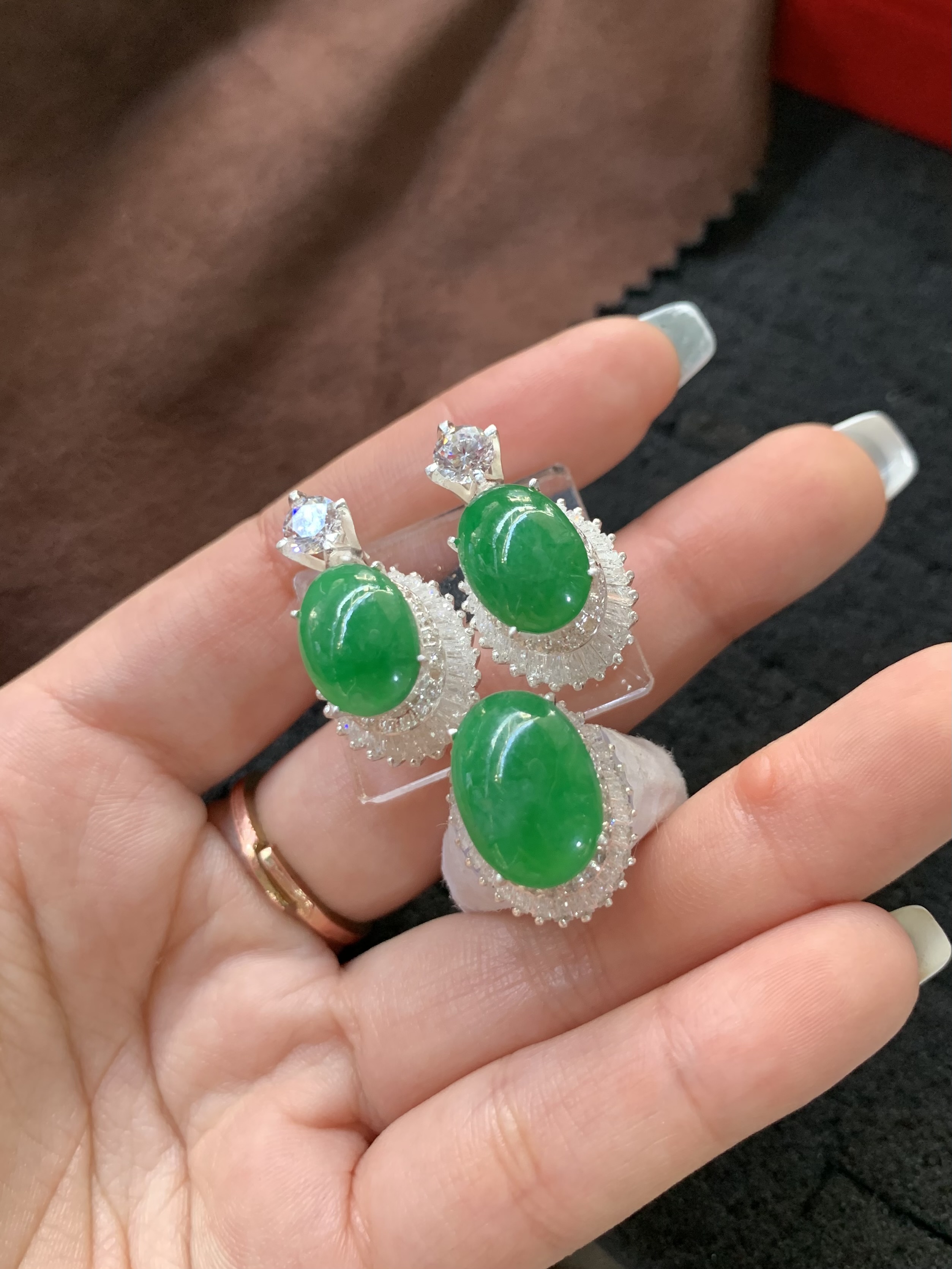
Investment jadeite specifically refers to Type A (natural, untreated) jadeite of sufficient quality to appreciate in value over time. Key investment factors include: vivid, even color distribution; high translucency (known as "water"); fine, even texture; and documented provenance from reputable sources.
Old mine jadeite describes pieces extracted from historically significant deposits, often before the 1990s expansion of industrial mining. These pieces are particularly prized for their unique color characteristics and the rarity that comes with their limited supply.