Jadeite Jade Investment Guide for Beginners: Core Principles and Identification
A comprehensive guide for beginners entering the jadeite jade market, covering quality evaluation, natural A-grade identification, and investment essentials.
Jadeite Jade Investment Guide for Beginners
Investing in jadeite jade requires a blend of cultural appreciation and scientific knowledge. For beginners stepping into this complex gemstone market, understanding the fundamental evaluation criteria is essential for making informed decisions.
Understanding Quality Factors: The 4Cs of Jadeite

Unlike diamonds, jadeite does not have a universal standardized grading scale, but experts evaluate stones based on several key characteristics:
- Color (Se): Color is often the primary value driver. Vivid hues, especially Imperial Green, command the highest market premiums due to their rarity and intense saturation. Other valuable colors include lavender, red, and icy white.

- Transparency (Shui): Often referred to as "water" or translucency, this determines how light passes through the stone. High transparency adds a glowing depth that enhances the overall aesthetic and value.
- Texture (Zhi): The internal crystalline structure dictates the smoothness and fine-grained nature of the piece. Fine textures are smoother and more durable.
- Craftsmanship: Carving complexity and symmetry significantly influence the finished piece's artistic and collector value.
Recognizing Type A, B, and C Jadeite
For any collector or investor, distinguishing between untreated and treated jadeite is the most crucial skill.
Type A Jadeite
Type A refers to 100% natural jadeite that has undergone no chemical treatments other than traditional cutting, shaping, and a light surface waxing. It retains its original crystal structure, durability, and long-term stability. Investment-grade jadeite must always be Type A.
Treated Varieties (Type B and C)
- Type B: Bleached with acid to remove impurities and impregnated with polymer resin to improve transparency.
- Type C: Artificially dyed to enhance or alter color.
Both types compromise the structural integrity of the stone and lack long-term investment value. Independent gemological certification is always recommended to verify treatment status.
Practical Tips for Novice Collectors
- Start with Education: Before committing significant capital, study various textures and lighting conditions.
- Prioritize Documentation: Always request reputable gemological testing reports.
- Focus on Personal Resonance: Beyond investment potential, the emotional and cultural connection to a piece remains an integral part of collecting.
Questions About a Piece?
Ask about current availability, a written quote, and any report that applies to the exact piece you are considering.
Consult on WhatsApp
Continue Reading
More from the Jade Guide
 Type A jadeite
Mastering A-Grade Jadeite Identification: An Expert's Guide from Myanmar
Navigate the complex world of A-grade jadeite with insights from a Myanmar expert, covering identification, market trends, and investment value.
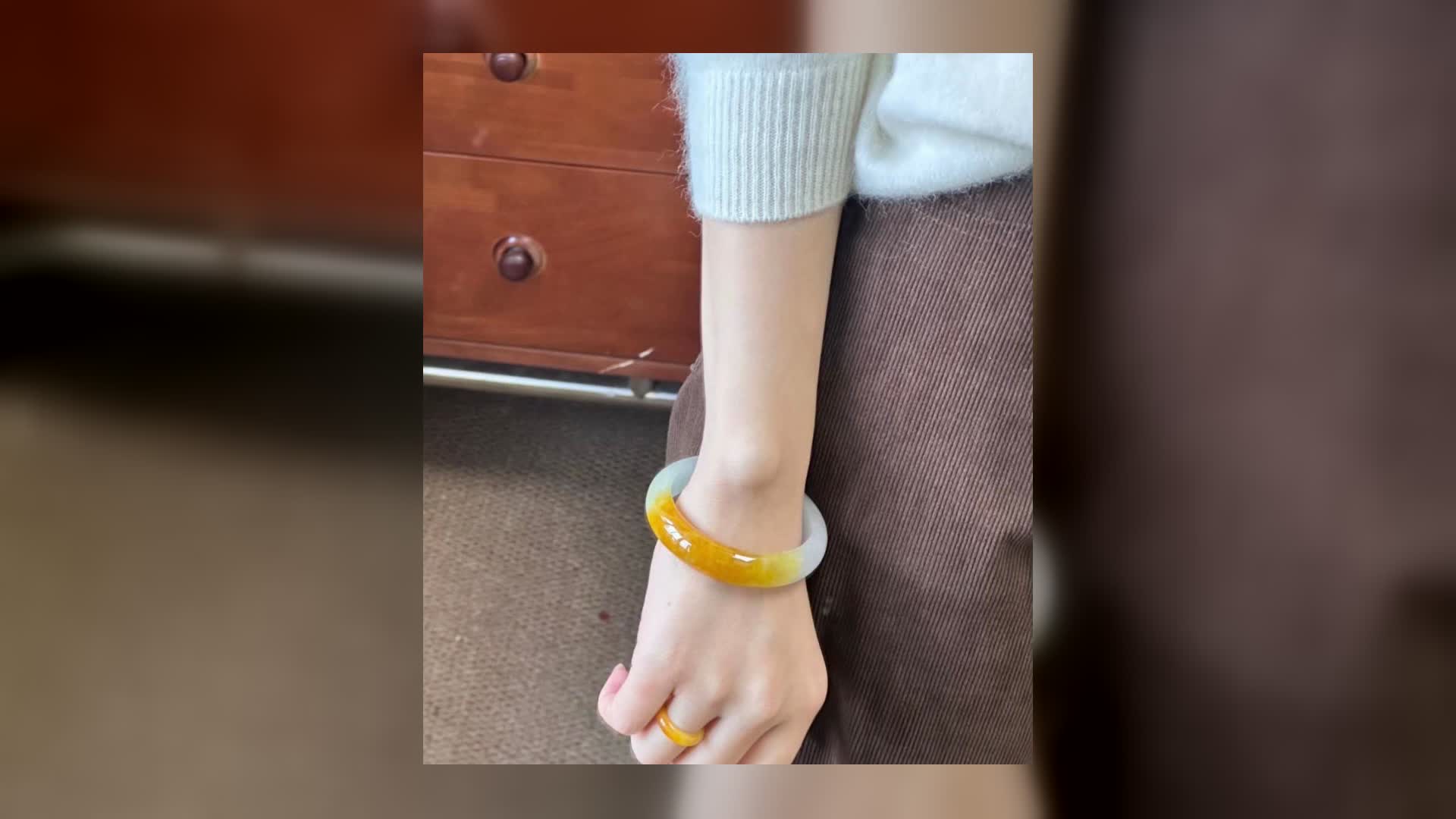 Jadeite
 vs. Nephrite: Understanding the Differences in Luxury Jade
Delve into the distinct characteristics of Jadeite and Nephrite, the two types of natural jade, crucial for collectors and investors.
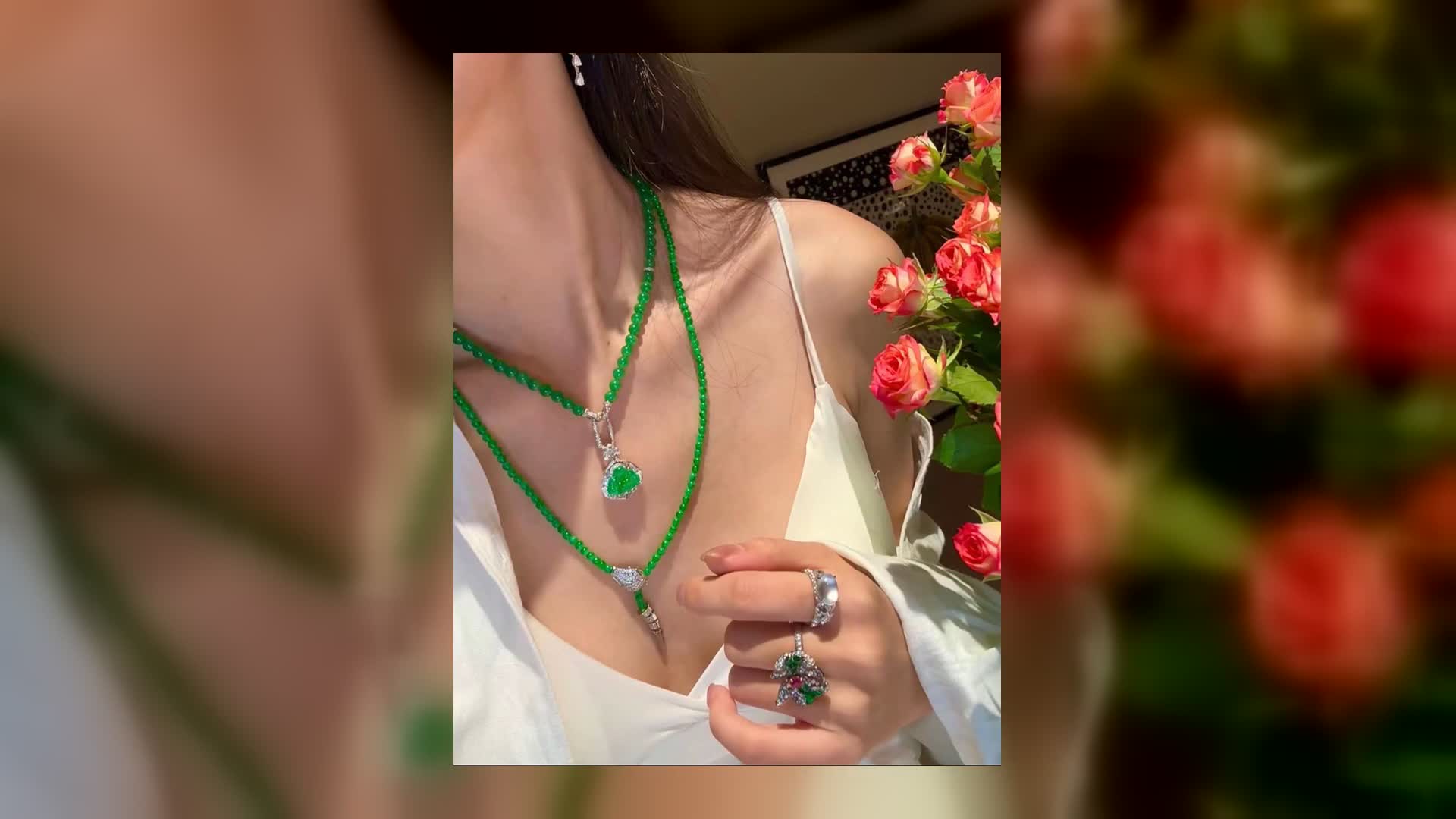
How to Choose a Luxury English Name for a Jadeite Brand
How to Choose a Luxury English Name for a Jadeite Brand A luxury jadeite brand name should do more than sound expensive. It should be memorable, reflect the character of the business, and feel natural wherever customers encounter it—from a jewelry box and website to a livestream introduction.