Comprehensive Guide to Identifying Type A Jadeite: Insights from Mandalay's Heart
Unravel the mysteries of Type A jadeite identification with expert insights from Myanmar, including market trends and recent sales data.
Comprehensive Guide to Identifying Type A Jadeite: Insights from Mandalay's Heart
This guide explains how to recognize genuine, untreated Type A jadeite, outlining the key visual and instrument-based tests and the importance of reputable certification. It also summarizes recent market transactions in Myanmar (Feb–Mar 2026) to illustrate current buyer behavior and pricing trends; those transaction data are provided for informational purposes and should be independently verified.
Material identity and treatment require appropriate testing of the individual item. This guide introduces common trade terminology but is not a laboratory report.
The Essence of Type A Jadeite: Untreated Beauty
Type A jadeite, sometimes referred to as "A-huo jadeite" in trade parlance, denotes natural jadeite that has not undergone any artificial chemical treatment such as acid washing, polymer impregnation, or dyeing. Its color, texture, and transparency are entirely natural. This purity is what gives Type A jadeite its enduring value and investment potential. Anything else—Type B (acid-treated and polymer-filled), Type C (dyed), or Type B+C (treated and dyed)—is a processed stone and typically carries reduced intrinsic value.
Understanding Jadeite's "Kind and Water" (zhongshui)
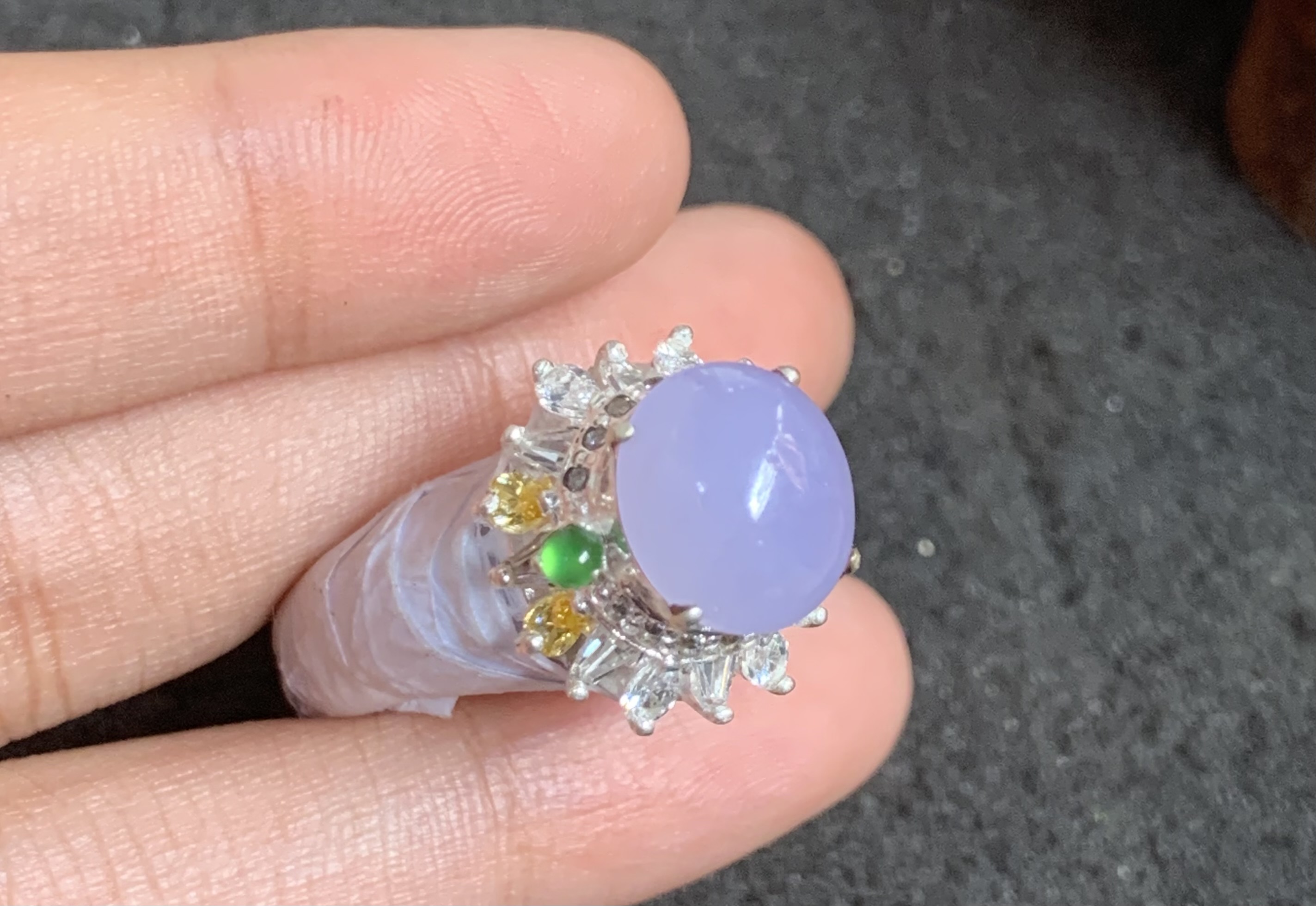
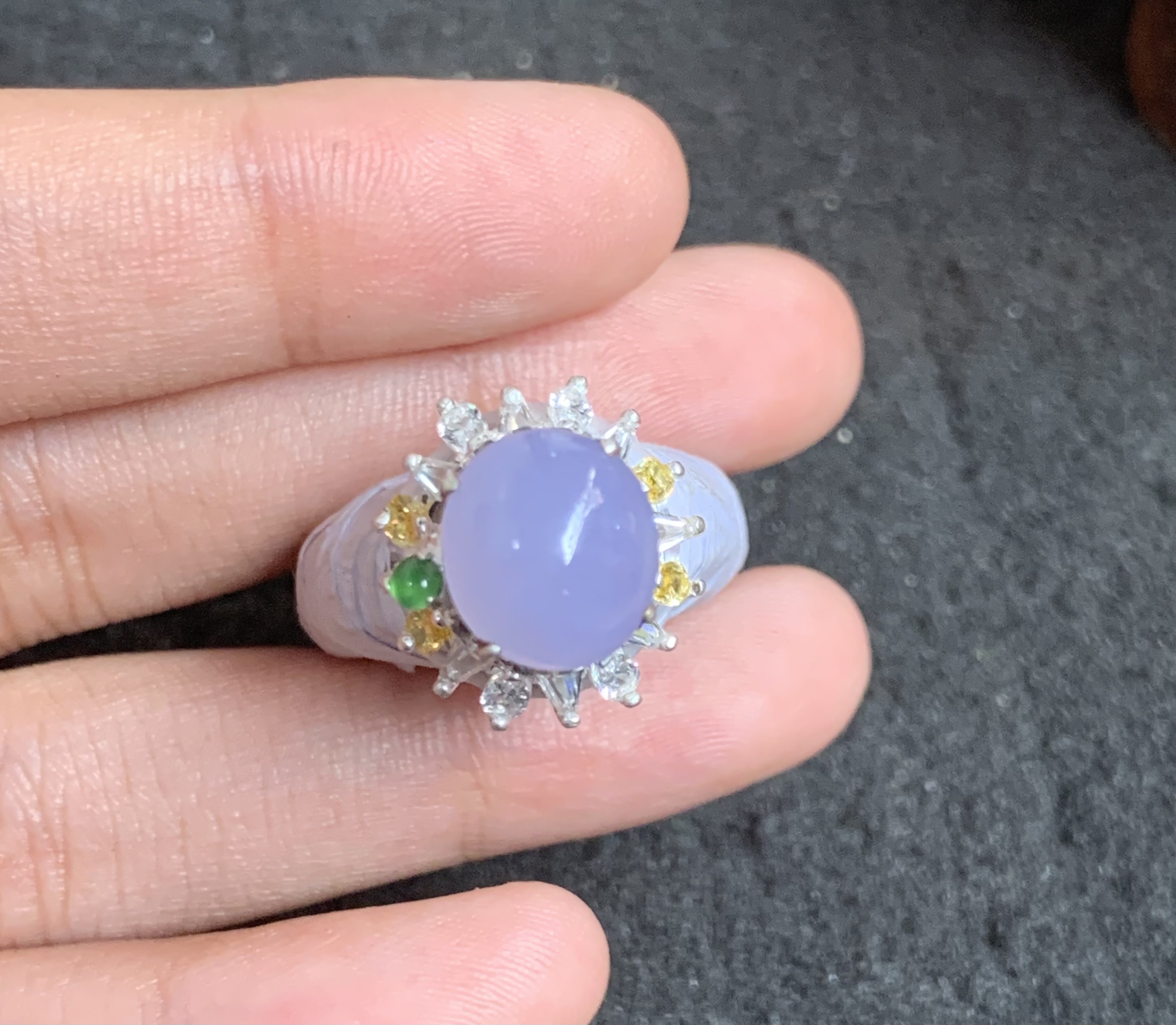
The term "kind and water" (zhongshui) is central to jadeite evaluation. "Kind" refers to the fineness of the jadeite's crystal structure, which directly affects its texture and how light passes through it. "Water" denotes translucency and luster. High-quality Type A jadeite shows excellent kind and water, ranging from the highly coveted Glassy Kind to the translucent Icy Kind, and then to the more opaque but still desirable Glutinous Kind.
For example, a Glassy Kind jadeite peace buckle 42 mm in diameter sold for USD 62,700 at the Hpakant public auction on February 5, 2026, while a similar piece sold for USD 52,100 at the Yangon International Gem Show on March 6, 2026, both showing a crystal-clear, glass-like appearance. By contrast, an Icy Kind jadeite bangle with an inner diameter of 55 mm sold for USD 46,200 to a Malaysian Chinese merchant at the Longken mine exchange on March 25, 2026, and another similar bangle sold for USD 42,000 to a Singaporean jeweler at the Hpakant public auction on March 8, 2026; these pieces display a translucent, ice-like quality. These examples illustrate the premium the market places on superior kind and water.
Key Identification Methods for Type A Jadeite
Identifying Type A jadeite requires a trained eye and, often, specialized tools. Below are the methods I rely on:
1. Visual Inspection: The "Orange Peel" Effect and Internal Structure
Under magnification (10x or 20x loupe), Type A jadeite often reveals a subtle "orange peel" texture on the surface, a natural characteristic formed by the intergrowth of crystal grains. This differs from the smooth, waxy surface typical of polymer-treated jadeite. Also examine the internal structure for natural, intricate fibrous or granular patterns. Treated jadeite (Type B) often shows acid-corroded lines or a milky, turbid look due to polymer filling.
2. Tapping Sound: Clear and Crisp
Gently tap two pieces of Type A jadeite together, or tap a piece with a hard object (such as a coin or metal rod). A clear, crisp, resonant sound typically indicates good density and an untreated state. Treated jadeite, containing internal fractures or polymer, often produces a duller, muffled sound.
3. Touch and Feel: Cool and Smooth
Type A jadeite feels distinctly cool to the touch, and this coolness dissipates slowly. Its surface, while it may show the "orange peel" texture, generally feels smooth and dense. Treated jadeite can feel less cool or even slightly tacky if polymer is close to the surface.
4. Weight and Density: Heavier Than Expected
Jadeite has a relatively high specific gravity (around 3.33 g/cm³). A genuine piece will feel heavier than its size suggests. This is a quick, preliminary indicator, but it is not definitive on its own.
5. Refractive Index and Specific Gravity Testing (Professional Tools)
For definitive identification, professional gemological laboratories use instruments such as refractometers and hydrostatic balances. Type A jadeite typically has a refractive index of approximately 1.66 and a specific gravity around 3.33. Deviations from these values can indicate treatment. Many high-value transactions—such as the 8.2 ct Glutinous Kind Imperial Green jadeite cabochon sold for USD 102,600 to a Korean collector on Mandalay's jewelry street on March 12, 2026, or another 8.2 ct piece sold for USD 105,400 to a US buyer at the Naypyidaw Gem Fair on March 16, 2026—are often accompanied by reputable jadeite identification certificates from international labs like GIA or GGTL.
The Myanmar Jadeite Market: A Glimpse into Recent Transactions
The market for Myanmar jadeite remains robust, particularly for high-quality Type A pieces. Our direct access to the Hpakant mining area and strong relationships with Mandalay source suppliers provide a unique perspective. Recent months (February–March 2026) have seen notable activity:
- Hpakant: In addition to the icy and glassy bangles and peace buckles mentioned above, this region continues to be the primary source for raw material and premium finished goods.
- Mandalay: Mandalay's jewelry street and gem centers are busy. Beyond the Imperial Green cabochons, a 52×35 mm Glutinous Kind jadeite dragon pendant was purchased by a Taiwanese collector for USD 12,300 on February 11, 2026, after on-site inspection. This underscores the enduring appeal of traditional motifs.
- Naypyidaw & Yangon: These centers also host major fairs. An old-pit Icy Kind jadeite round bead necklace (8 mm × 36 beads) sold for USD 83,500 to a Singaporean jeweler at the Yangon Gem Expo on February 26, 2026; this exemplifies the investment value of rare, high-quality pieces.
While other gemstones such as Myanmar spinel and pigeon blood rubies also show strong sales (for example, a 3.2 ct unheated pigeon blood ruby with a GRS certificate selling for USD 47,700 in Mandalay and USD 45,500 in Naypyidaw), the focus here remains on jadeite. The total reported jadeite transactions during this period exceeded USD 400,000, highlighting market vitality.
The Importance of Jadeite Identification Certificates
For any significant purchase—especially for high-value items like Icy Kind or Glassy Kind jadeite—insist on a reputable jadeite identification certificate. Institutions such as GIA (Gemological Institute of America), GGTL (GemGenève Gem Lab), and accredited local Myanmar gemological labs provide critical verification. These certificates confirm the jadeite's natural, untreated status (Type A) and typically document characteristics such as color, transparency, and dimensions.
Conclusion: Investing in Authenticity
The world of jadeite is rich and complex. While its aesthetic appeal is undeniable, the true value lies in authenticity. By learning to recognize the nuances of Type A jadeite identification—from visual cues to professional certification—collectors and investors can navigate the market with greater confidence. Whether you seek a prized piece from the Hpakant mining area or through a trusted Mandalay supplier, knowledge is your most valuable asset. The market for genuine, high-quality jadeite continues to demonstrate strong investment value, making informed decisions more important than ever.
Questions About a Piece?
Ask about current availability, a written quote, and any report that applies to the exact piece you are considering.
Consult on WhatsApp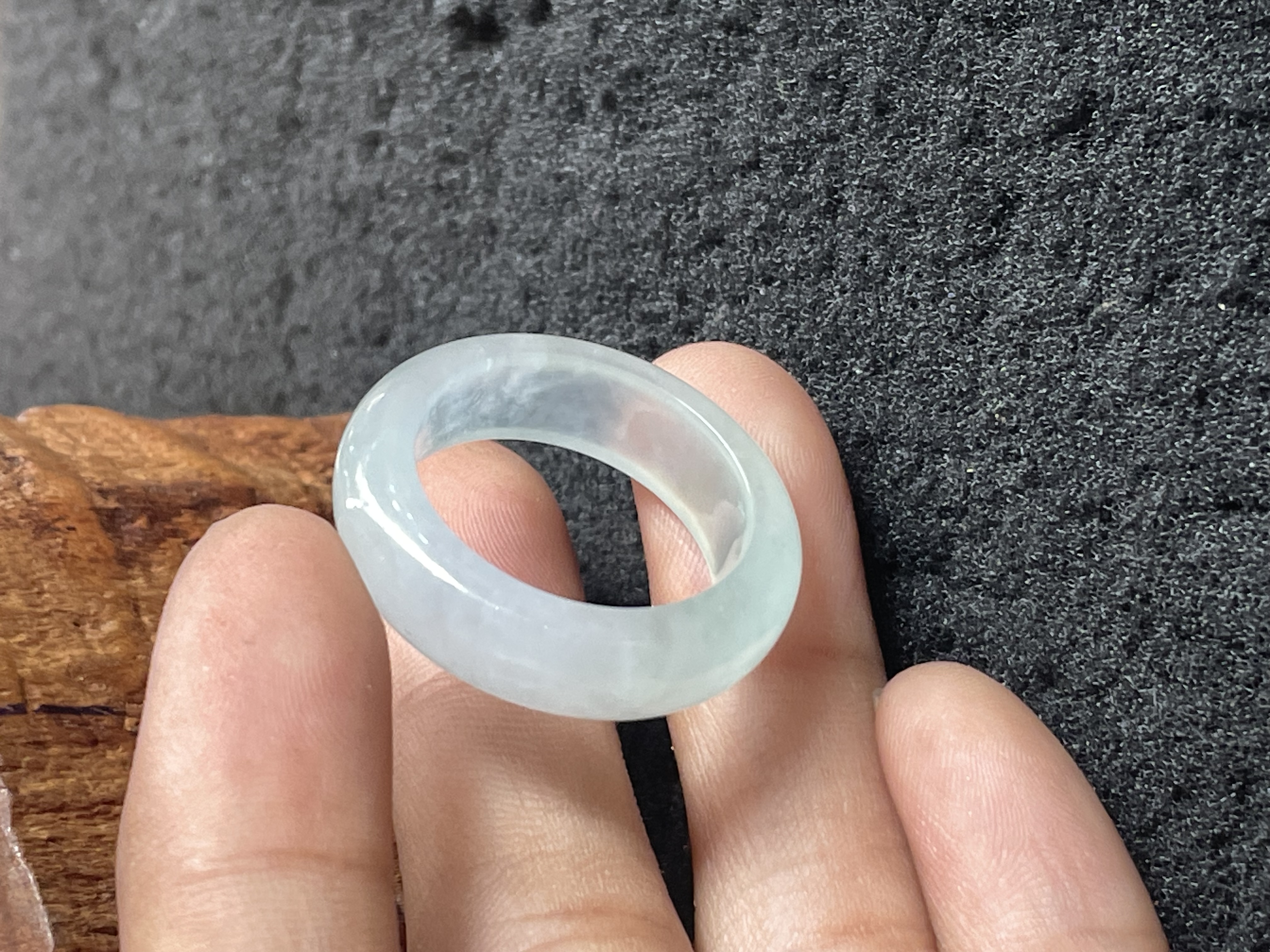
Continue Reading
More from the Jade Guide
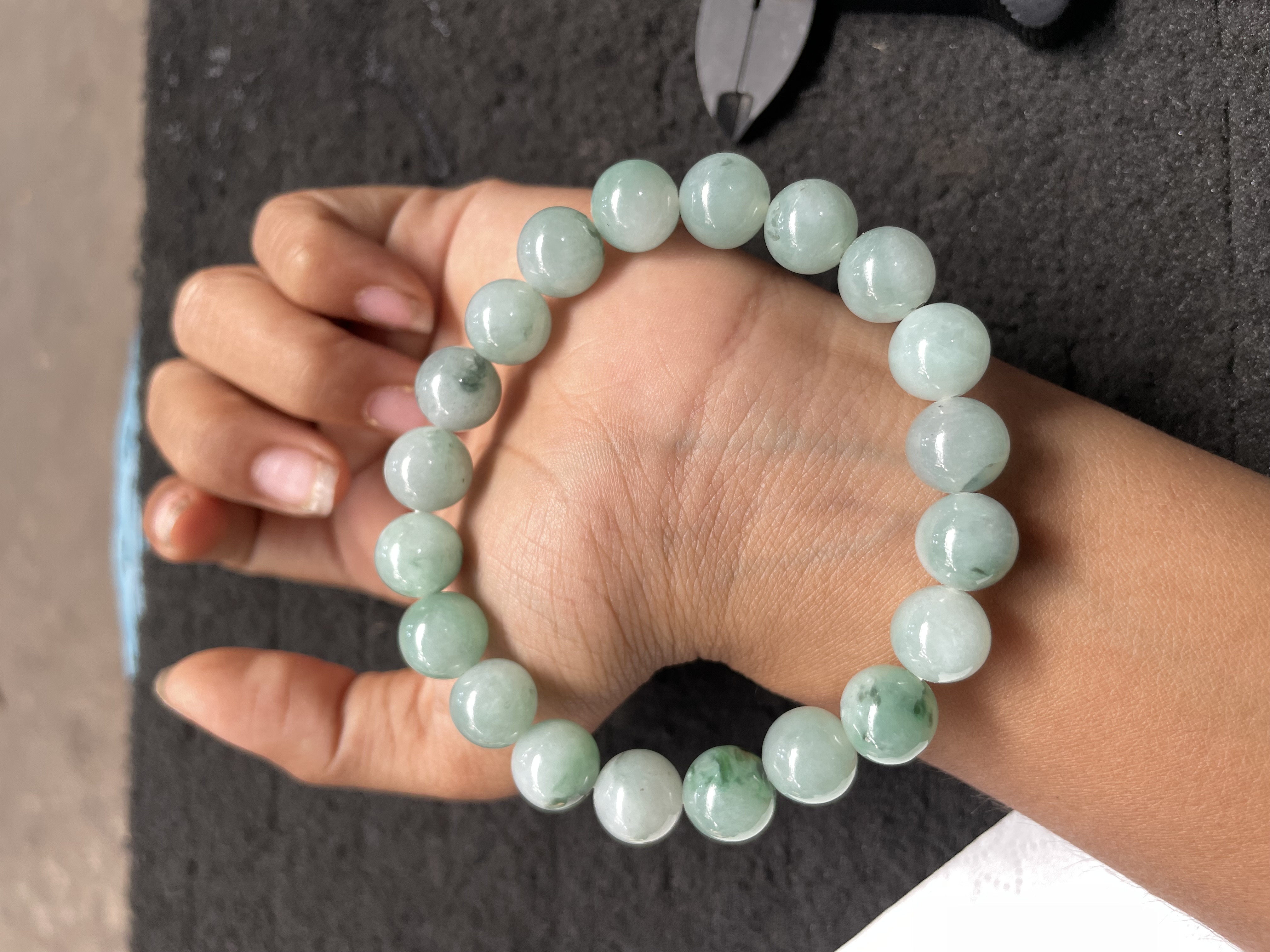 Jadeite Jade
 Investment Guide for Beginners: Core Principles and Identification
A comprehensive guide for beginners entering the jadeite jade market, covering quality evaluation, natural A-grade identification, and investment essentials.
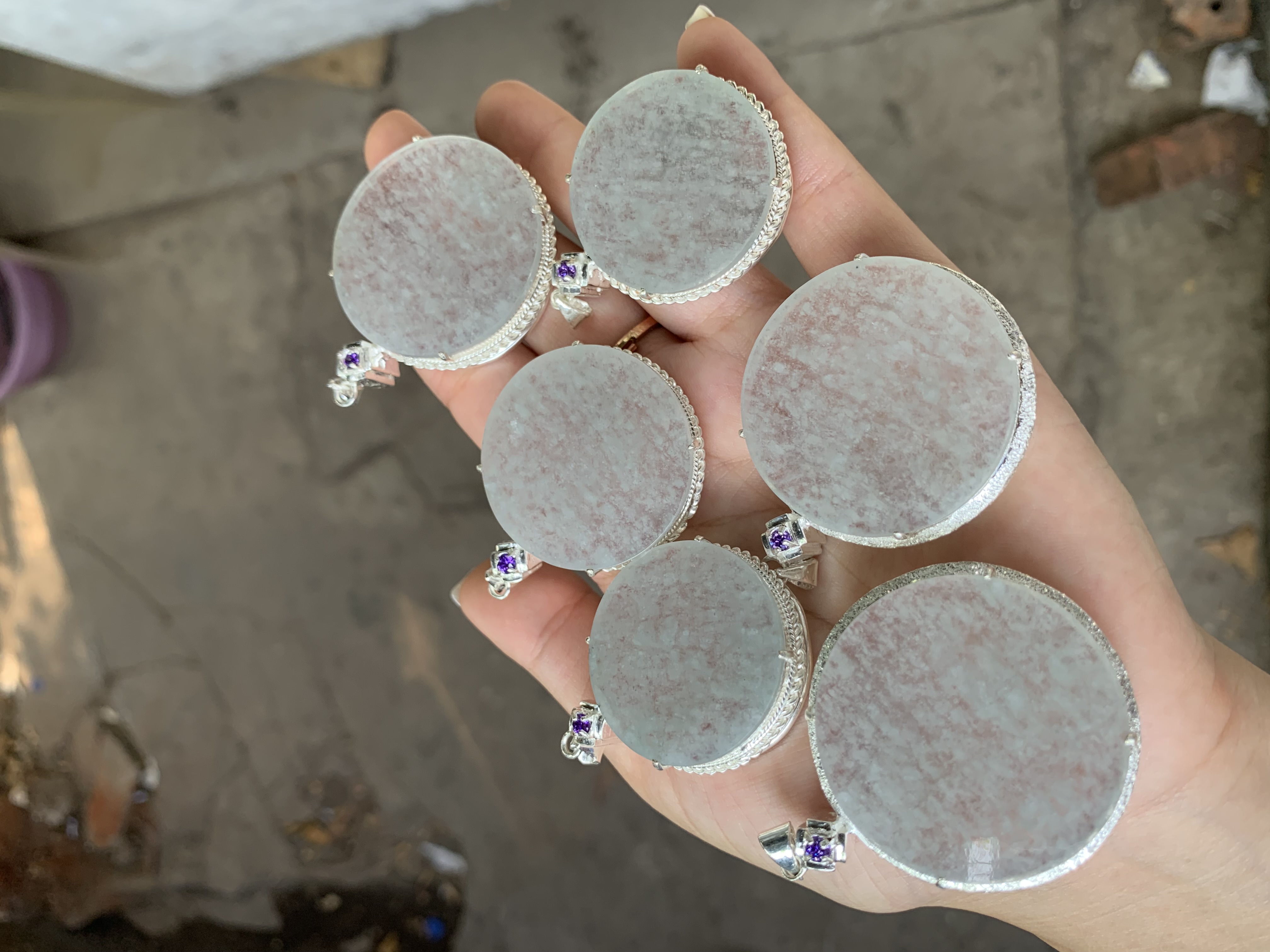 Type A jadeite
Mastering A-Grade Jadeite Identification: An Expert's Guide from Myanmar
Navigate the complex world of A-grade jadeite with insights from a Myanmar expert, covering identification, market trends, and investment value.
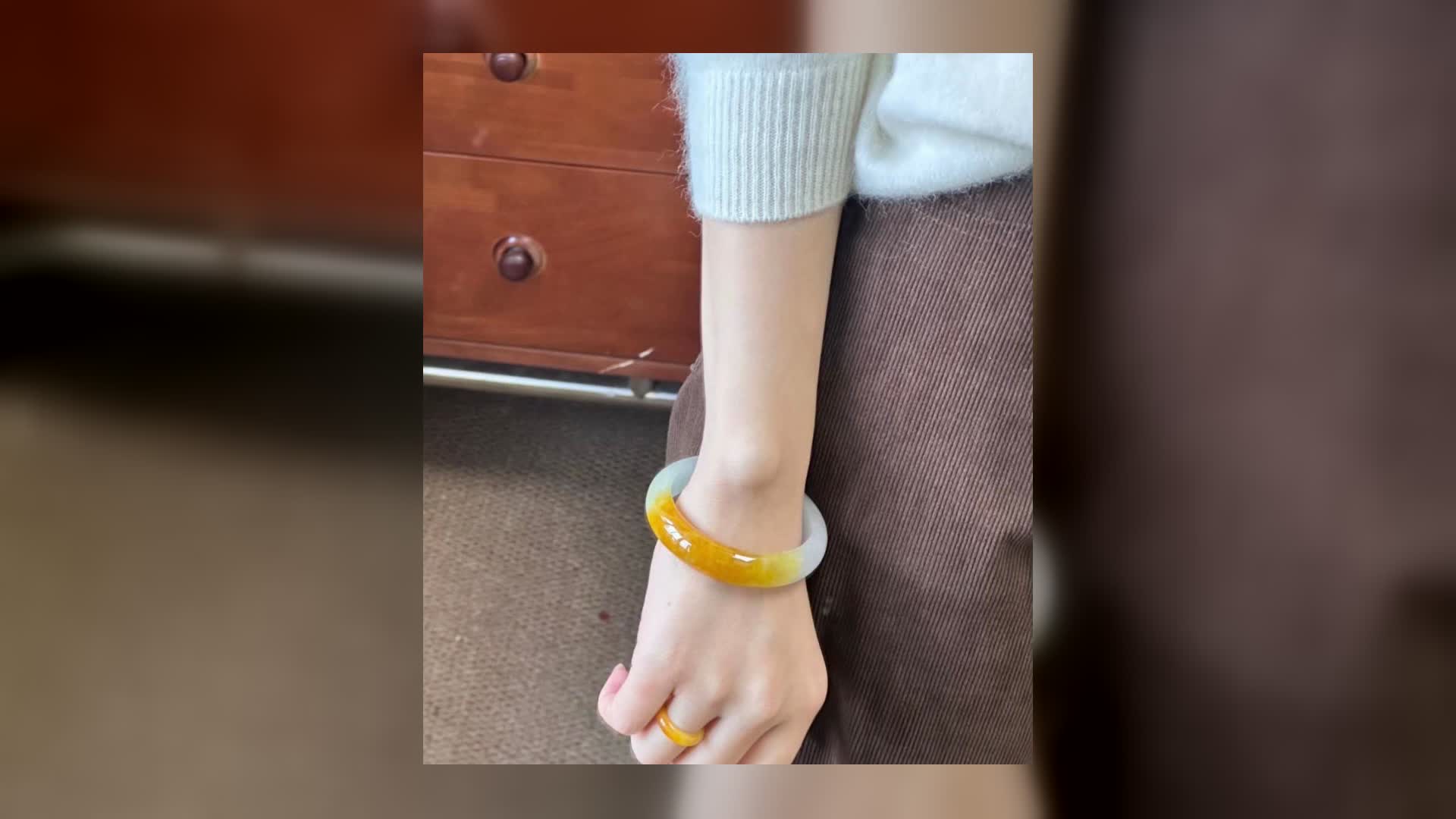 Jadeite
 vs. Nephrite: Understanding the Differences in Luxury Jade
Delve into the distinct characteristics of Jadeite and Nephrite, the two types of natural jade, crucial for collectors and investors.