Learn how to assess jadeite quality factors like color, transparency, and texture while understanding why visual appearance alone cannot replace formal gemological testing.
Evaluating Jadeite Quality: Separating Visual Appeal From Laboratory Proof
When examining fine jewelry or raw stones, enthusiasts often encounter a tension between raw visual beauty and scientific certainty. In the study of jadeite, separating surface elegance from rigorous laboratory proof is essential. While visual traits guide aesthetic appreciation, they cannot substitute for instrumental testing when determining mineral identity or detecting artificial enhancements.
Core Quality Factors in Jadeite Evaluation
Gemological authorities such as the Gemological Institute of America (GIA) outline distinct criteria for evaluating jadeite quality. Traditionally, these key aspects are examined in order of impact: color, transparency, and texture.
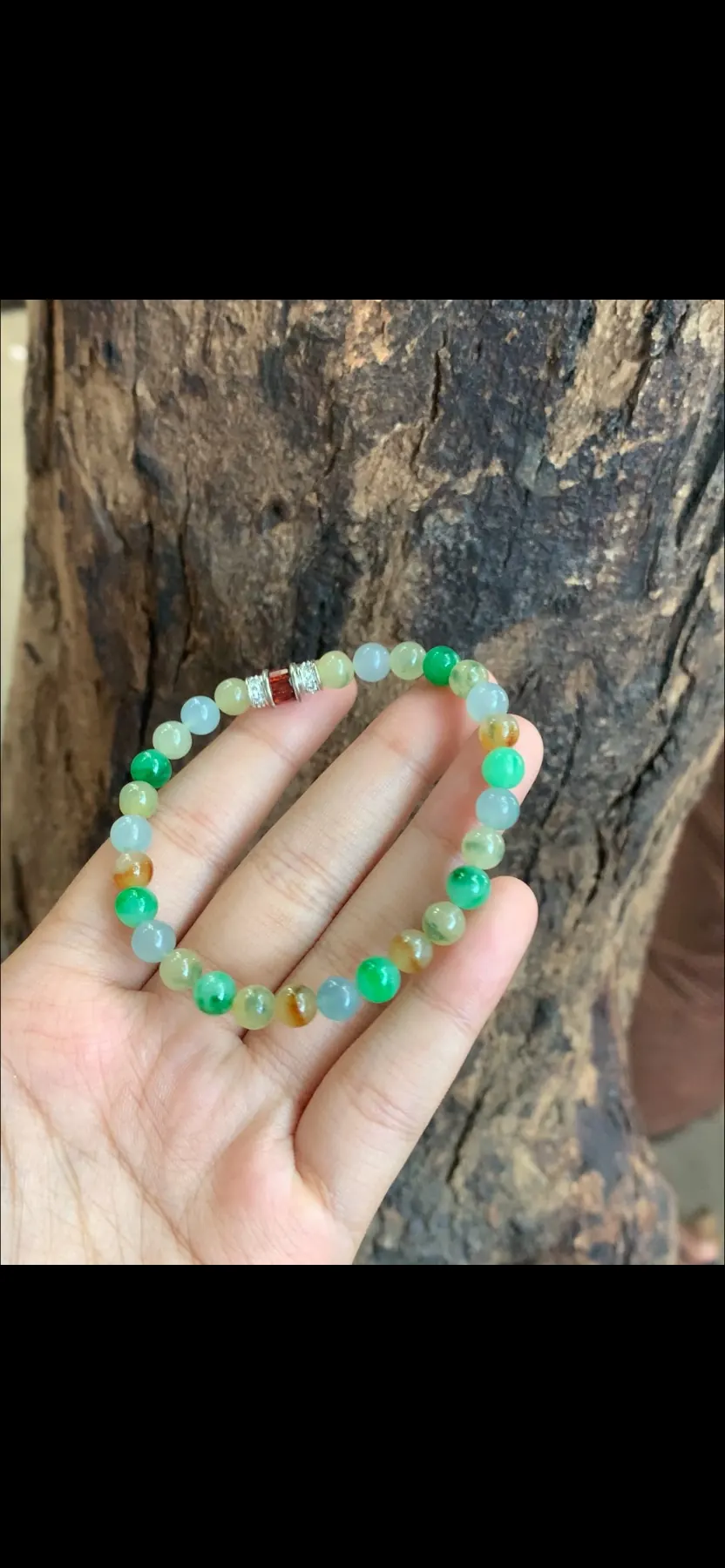
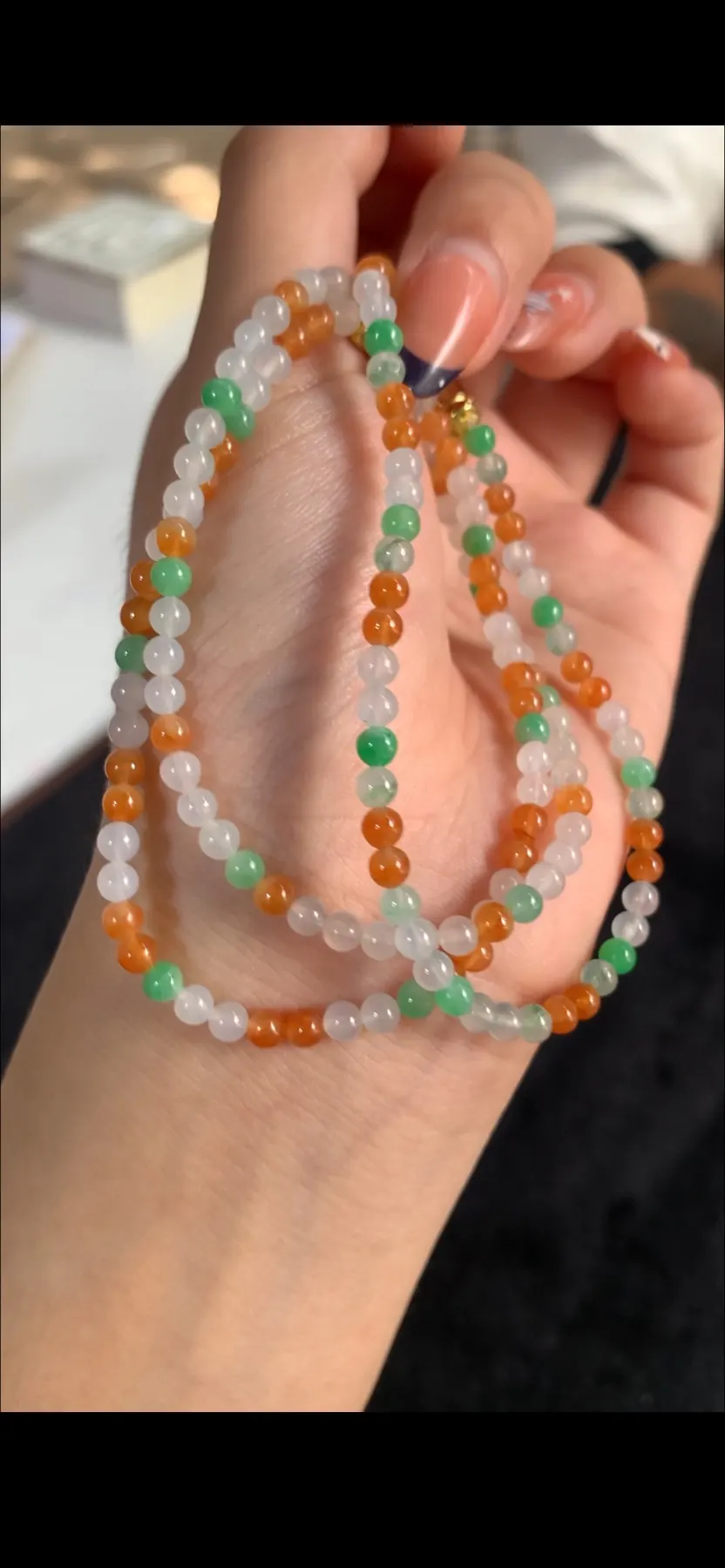
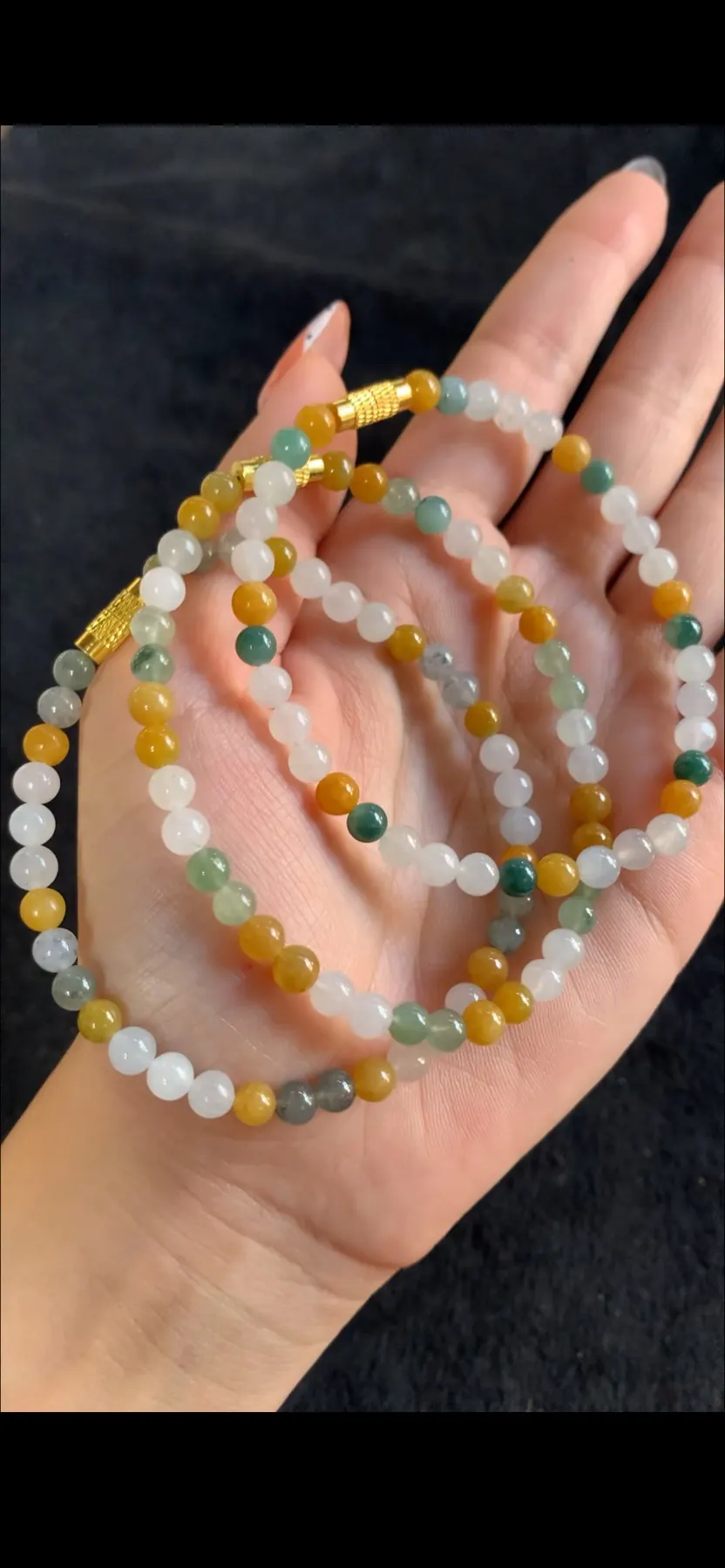
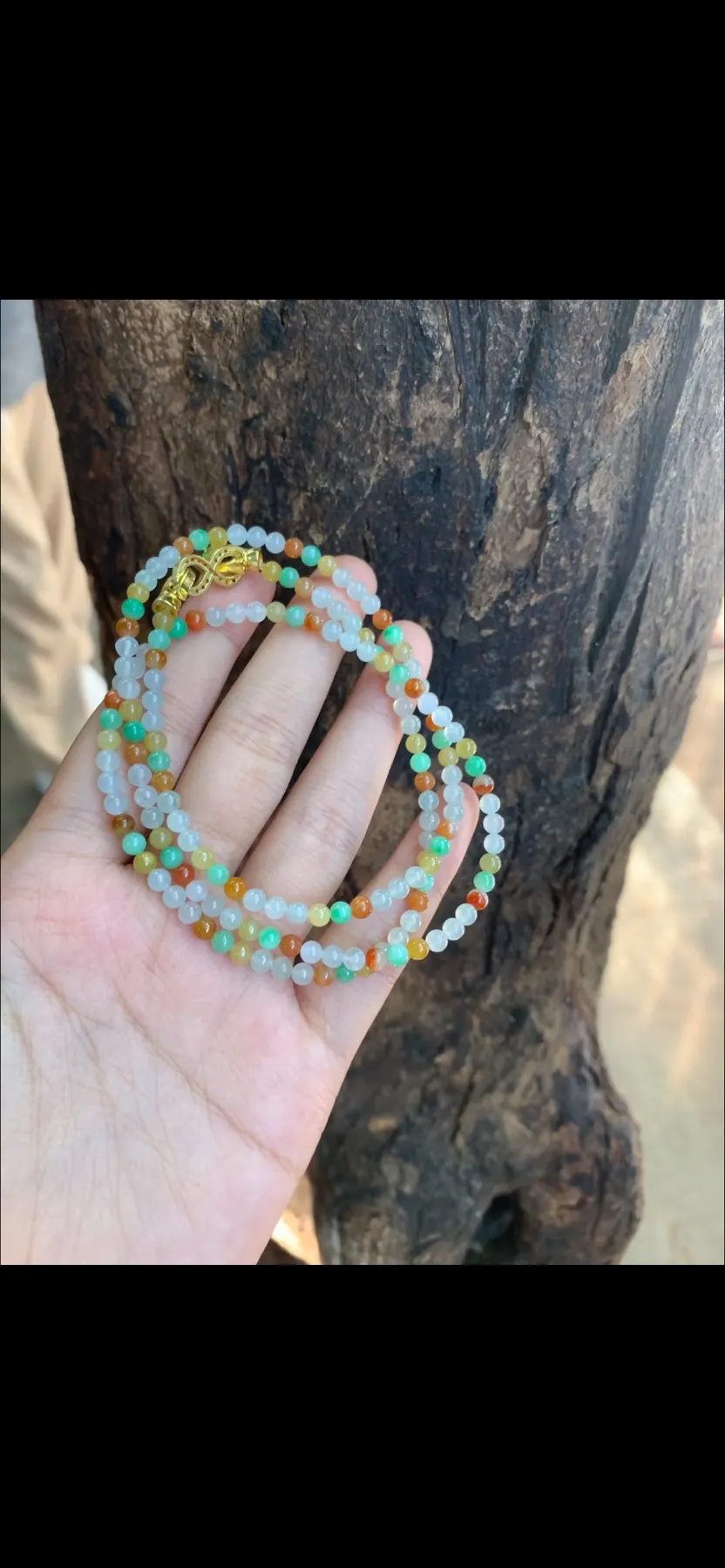
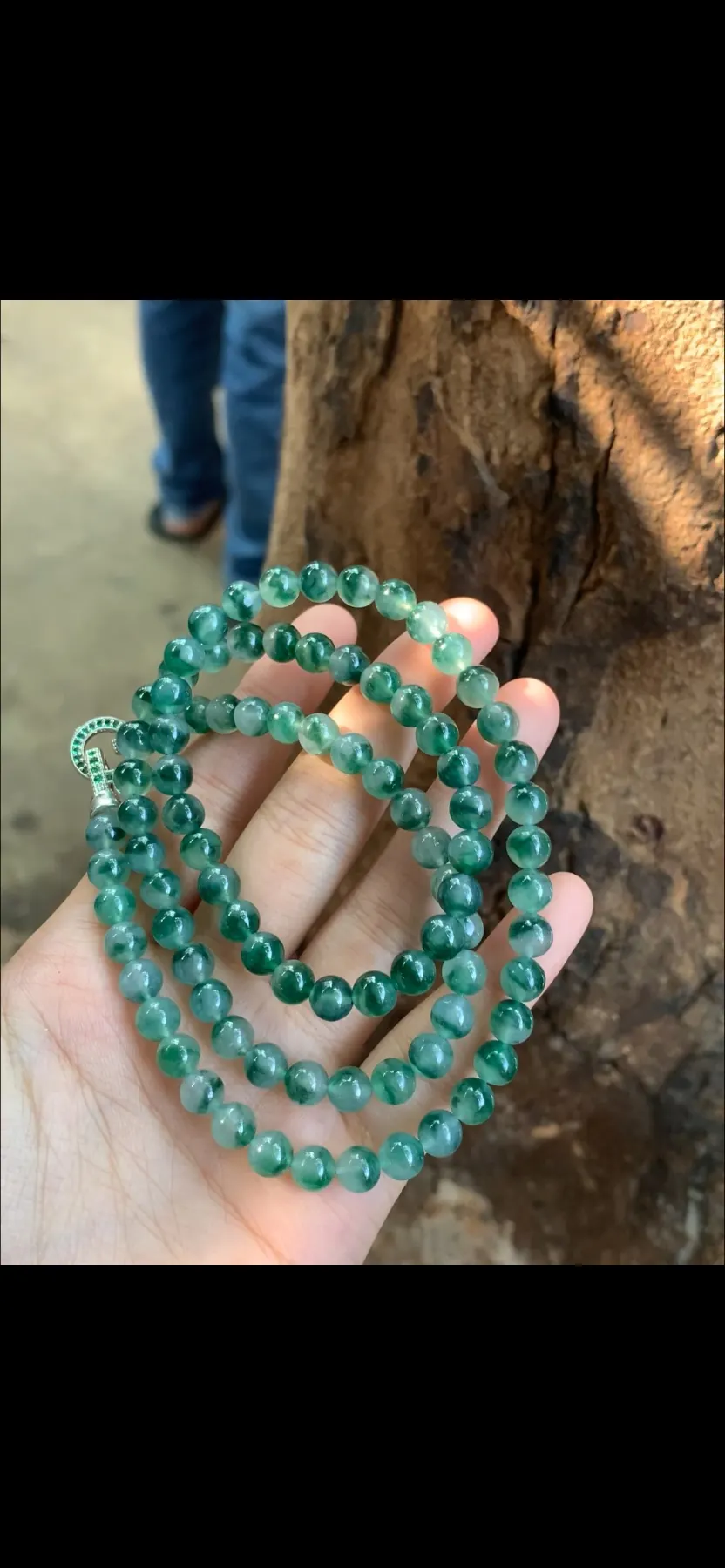
- Color: While green is the most famous hue, jadeite occurs naturally in lavender, yellow, reddish orange, white, gray, black, brown, and brown-red shades. Evaluators often inspect color under multiple light sources, such as fluorescent and incandescent bulbs, looking for even coloration or harmonious mottling.
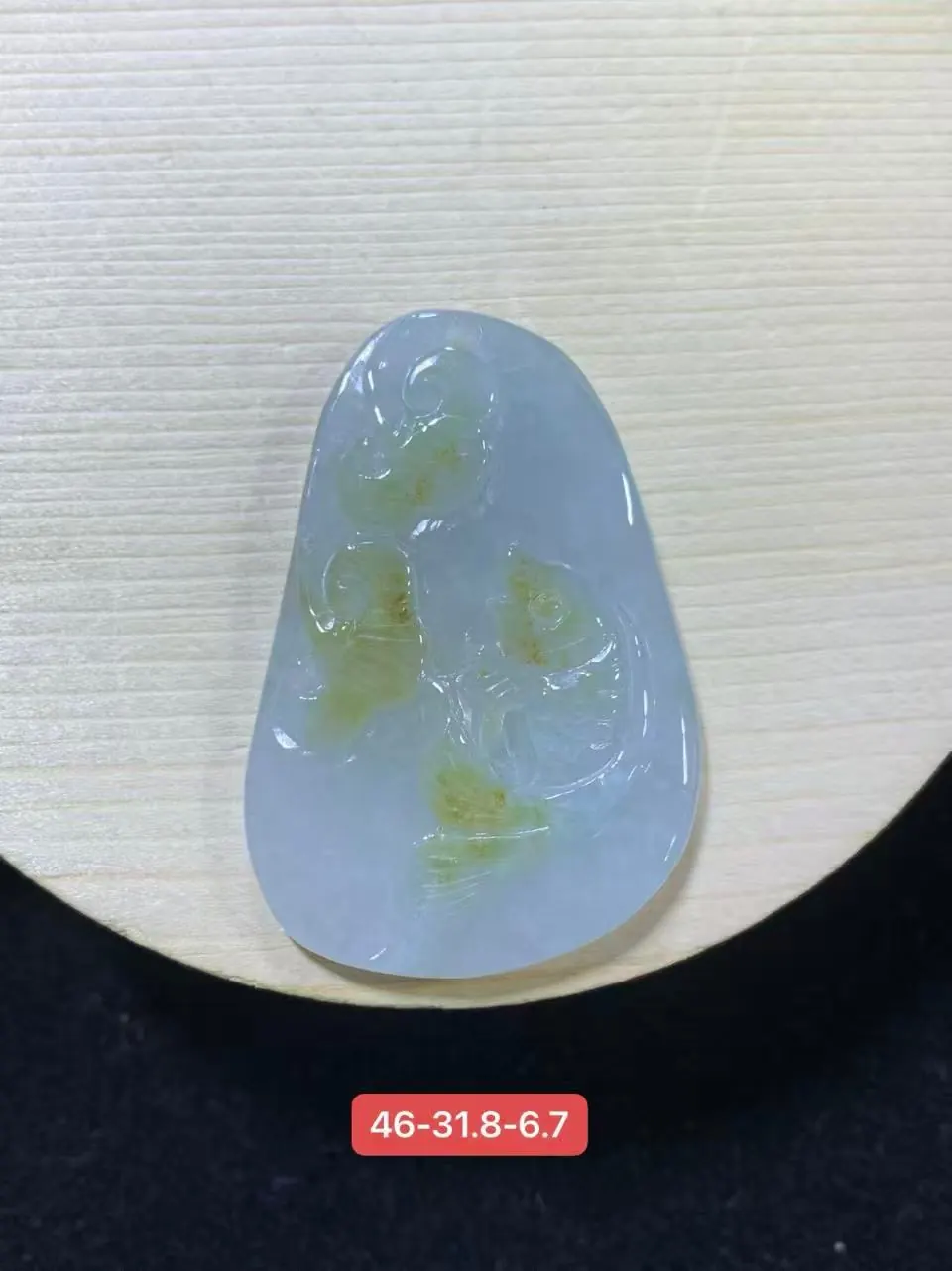
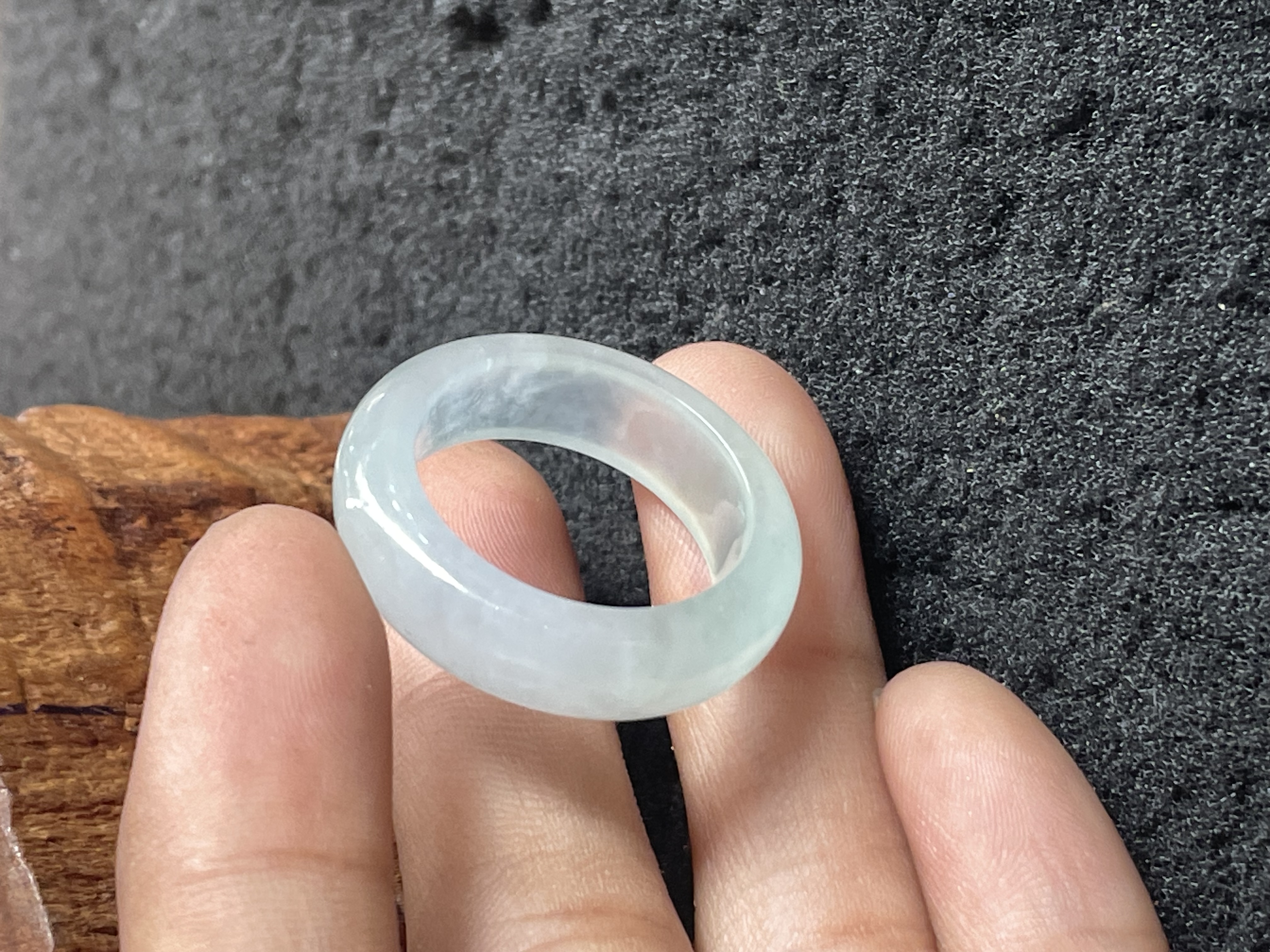
- Transparency: Ranging from completely opaque to semitransparent, transparency dictates how deeply light penetrates the material. Semitransparent pieces often allow some text or shapes to be discerned when placed thinly over a page.
- Texture: Texture refers to the physical crystal size and compactness. Fine-grained material features tightly packed crystals that yield a smoother surface, higher luster, and an internal glow, whereas coarser material appears drier and more porous.
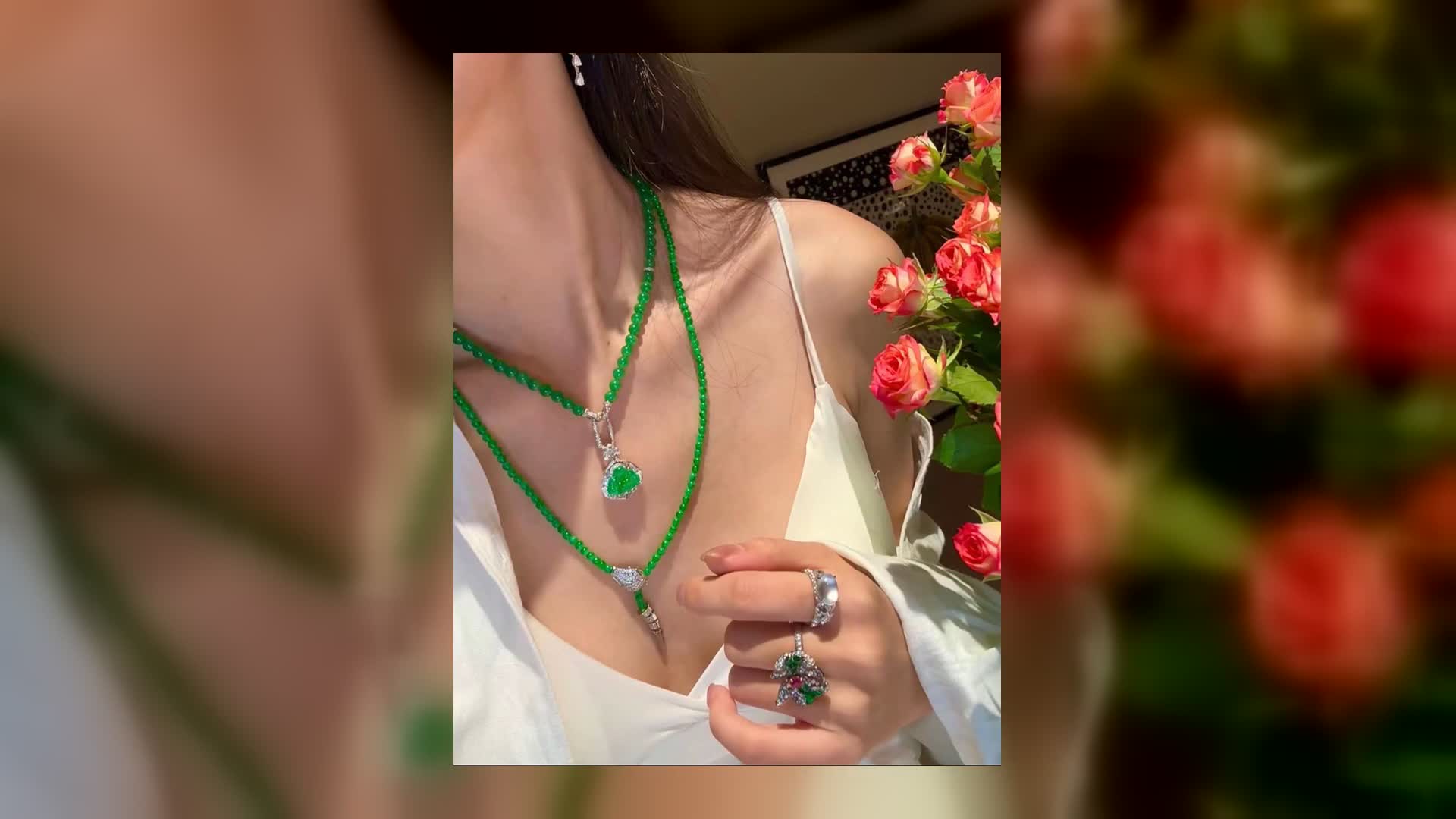
Traditional forms—including cabochons, bangles, rings, pendants, and beads—rely on these visual traits for their charm, though these shapes do not carry inherent quality grades or certifications on their own.
The Limits of Visual Similarity
Visual appeal can be deceiving. A jade-like appearance does not automatically establish mineral identity. For instance, certain specimens of green omphacite can closely mimic jadeite visually, requiring advanced techniques like Raman spectroscopy to differentiate them accurately. Similarly, geographic assertions—such as linking a piece to deposits near Hpakan in Upper Burma—cannot be reliably proven through visual inspection alone.
For a broader look at fine craftsmanship and curated collections, visitors can explore Myanmar Jadeite Products, or dive deeper into foundational concepts at Myanmar Jadeite Education.
Why Laboratory Proof Matters for Treatments
Visual inspection may offer initial warning signs, but it rarely provides definitive proof regarding chemical or structural alterations. Documented cases analyzed by institutions like the Swiss Gemmological Institute (SSEF) show that jadeite can undergo acid bleaching, polymer impregnation, and artificial dying to mask flaws or enhance color intensity.
Although localized color concentrations along grain boundaries or fissures can sometimes suggest dye or resin treatment, scientific instrumentation is required for confirmation. Advanced gemological laboratories utilize chemical analysis (such as ED-XRF) and structural methods (such as FTIR and Raman spectroscopy) to detect absorption bands and infrared spectral evidence left by resins and artificial dyes. Universal quality grading is rarely applied by major scientific labs; instead, they focus on precise mineral identification and treatment disclosure.
Practical Takeaway
When exploring jadeite, appreciate surface characteristics like polish, transparency, and balanced color, but remember that beauty does not equal scientific certification. Always rely on independent laboratory documentation to verify mineral species and treatment status.
Editorial Note
Individual jadeite material, treatment status, geographic origin, and laboratory claims require independent verification. This overview is published for educational purposes through Myanmar Jadeite to help collectors navigate gemological concepts safely.
Sources
This article is an original synthesis based on the following public sources. Source material is cited for verification, not reproduced.