Learn how to accurately interpret commercial jade terminology, material names, and treatment classifications using international standards.
Decoding Jadeite, Jade, and Fei Cui Terminology in Jewelry Descriptions
Navigating the terminology used in jewelry descriptions can be challenging, particularly when examining fine pieces listed on platforms like Myanmar Jadeite. Terms such as jade, jadeite, Fei Cui, and Yu are frequently used interchangeably in general commerce, yet gemological authorities draw precise distinctions between broad cultural labels and specific material identities. Understanding these distinctions helps collectors look past vague marketing language to evaluate jewelry based on verifiable scientific characteristics.
Broad Commercial Terms Versus Specific Material Names
According to international gemological guidelines from organizations such as CIBJO, broad cultural or commercial expressions should be carefully separated from exact scientific nomenclature. Terms like "jade" or the Chinese term "Yu" historically encompass multiple mineral species and artistic traditions rather than pointing to a single chemical composition. Similarly, "Fei Cui" is widely used as a Chinese-specific market term associated with the jadeite entry, but it does not inherently indicate a specific quality grade or commercial value tier.
When reviewing item descriptions, experts caution against vague normative expressions such as "natural jade" when precise material identification is required. Accurate terminology distinguishes between true jadeite-jade and alternative minerals or simulant substances. Visual appearance alone can easily be misleading, as skilled imitations made from glass, plastic, and resin can closely mimic the appearance of fine jewelry items.
Decoding Treatment Classifications: Types A, B, and C
Gemological standards divide jadeite into standardized treatment categories to communicate modification history clearly. Understanding these categories is essential when exploring collections or learning more via resources like Myanmar Jadeite Education:
- Type A: Denotes untreated jadeite jade or Fei Cui that has undergone no artificial enhancements other than traditional shaping and surface waxing.
- Type B: Refers to jadeite that has undergone chemical bleaching to remove impurities followed by polymer impregnation to improve apparent transparency and stability.
- Type C: Indicates that the material has been artificially dyed to alter or enhance its body color.
- Type B+C: Combines both processes, designating material that has been bleached, polymer-impregnated, and artificially colored.
Using precise treatment wording rather than blanket claims prevents misunderstandings regarding durability, long-term stability, and valuation.
Jewelry Forms and Craftsmanship Descriptions
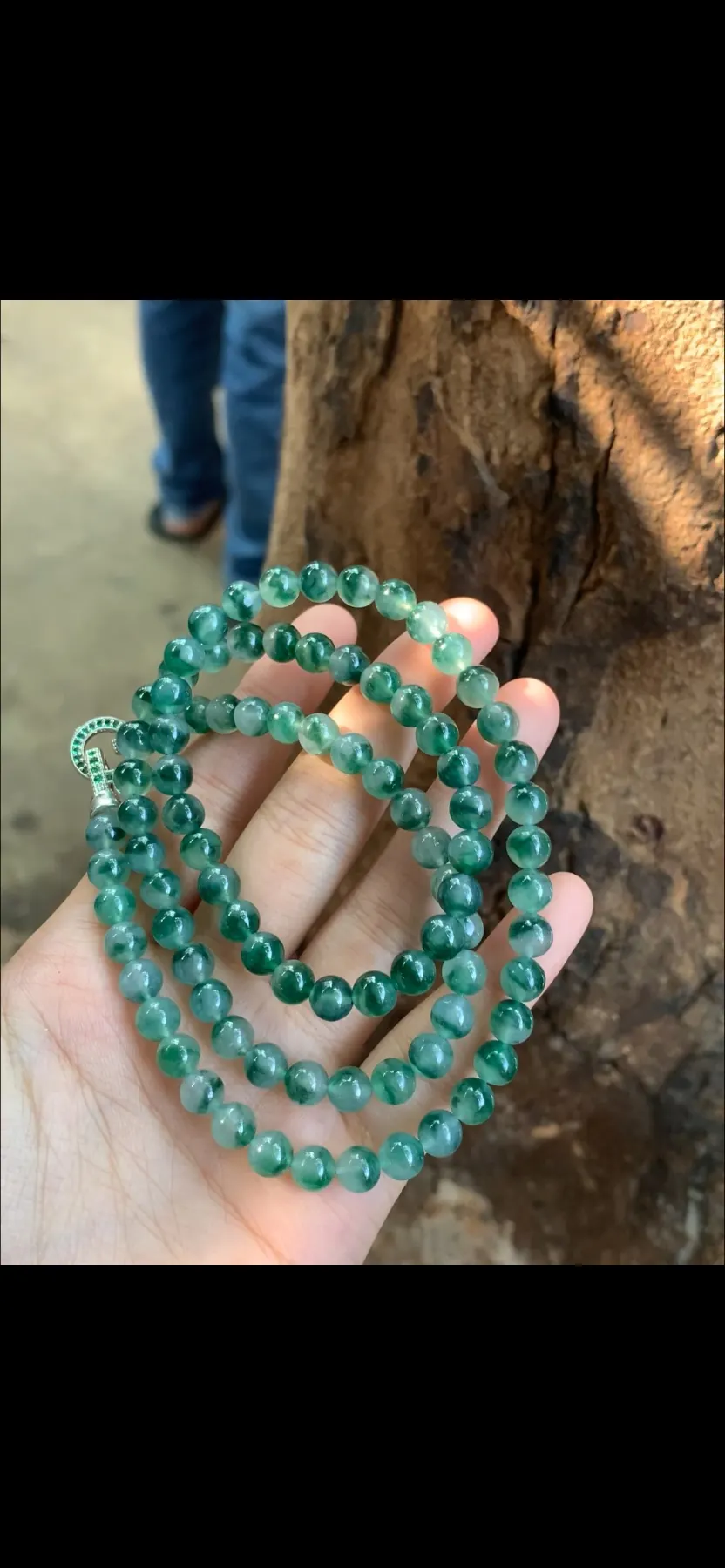
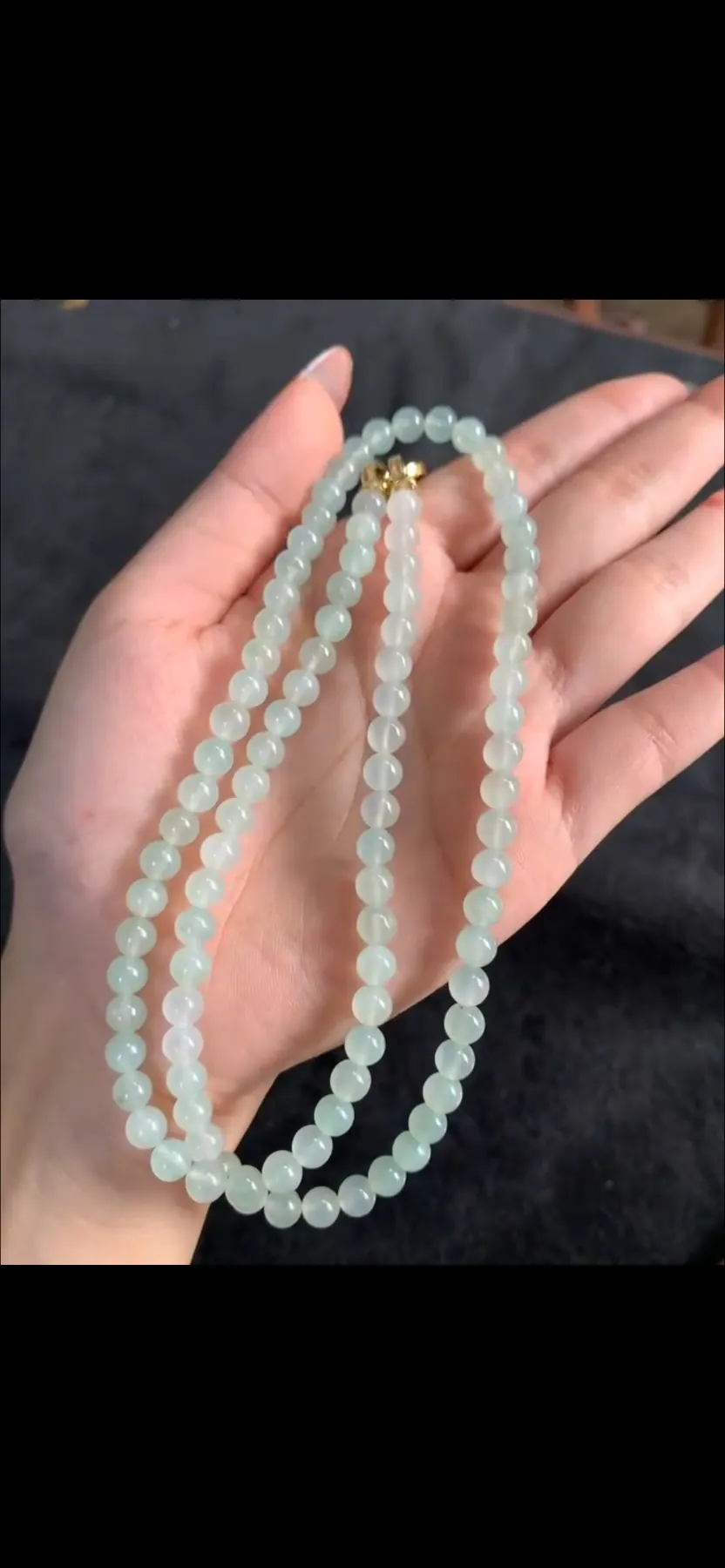
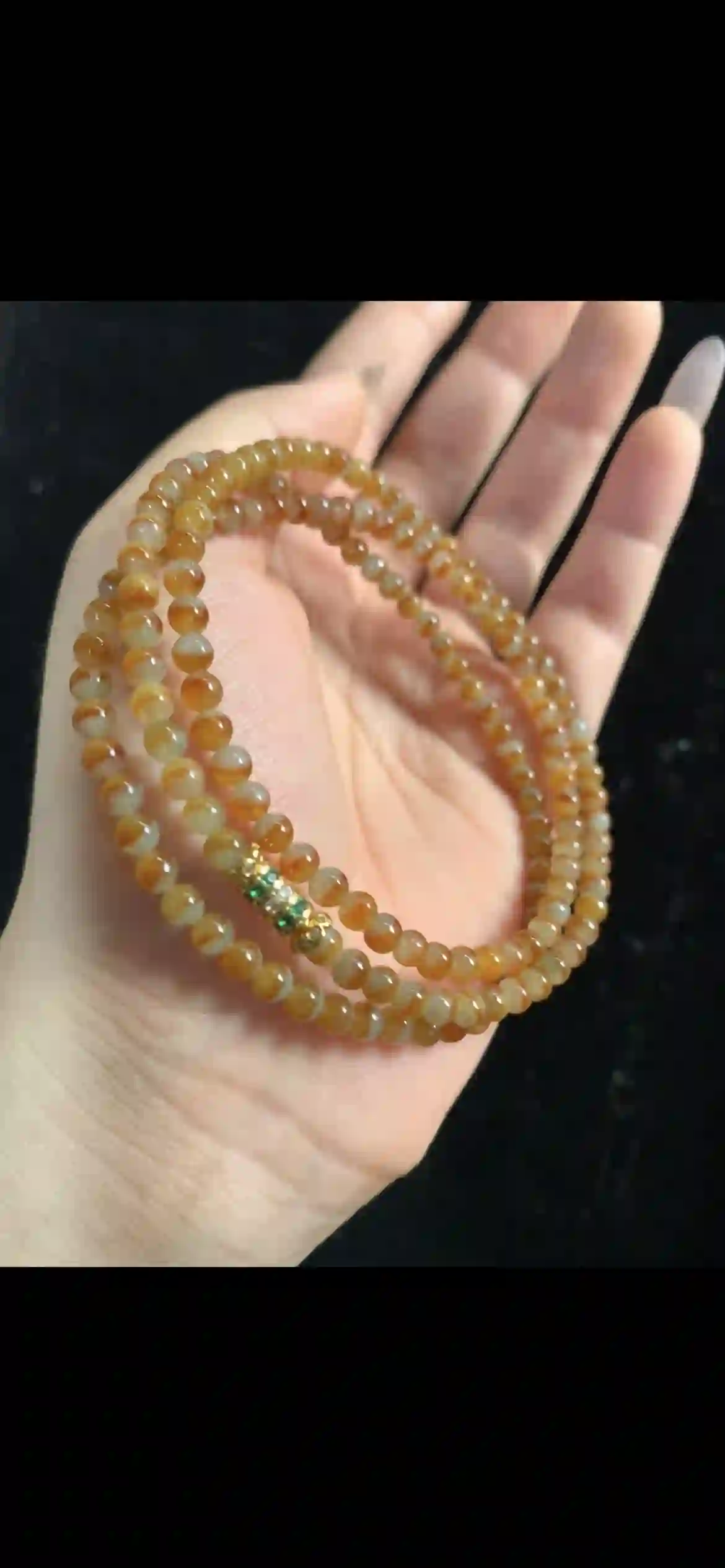
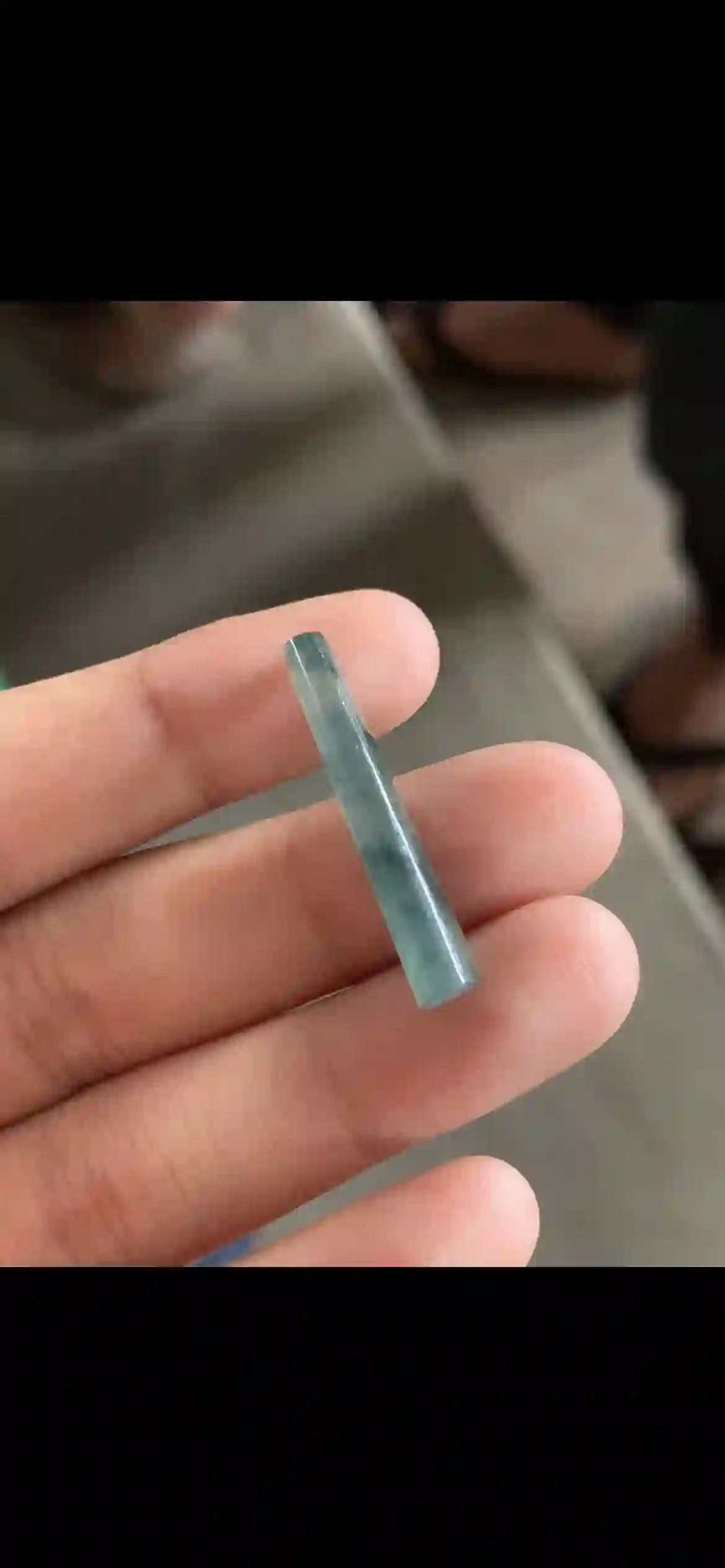
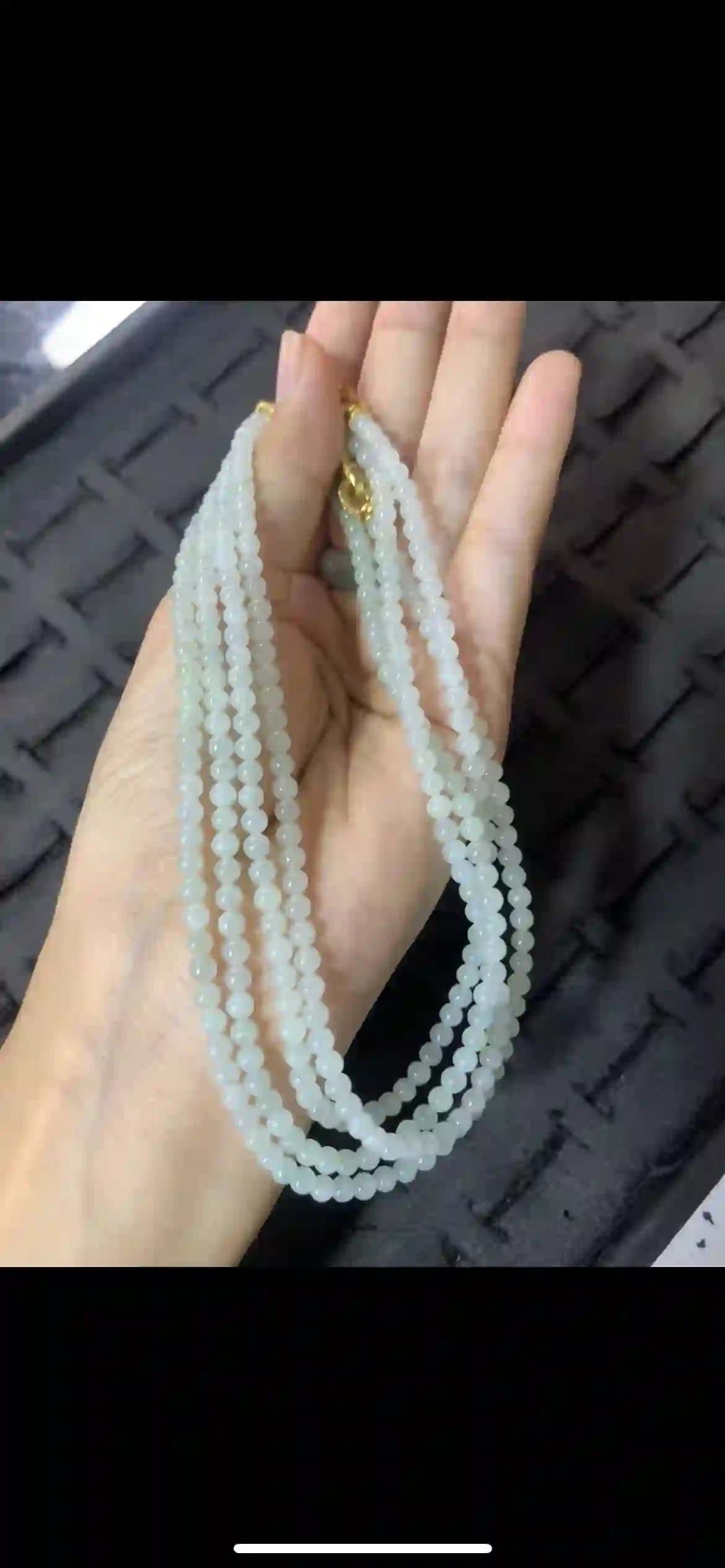
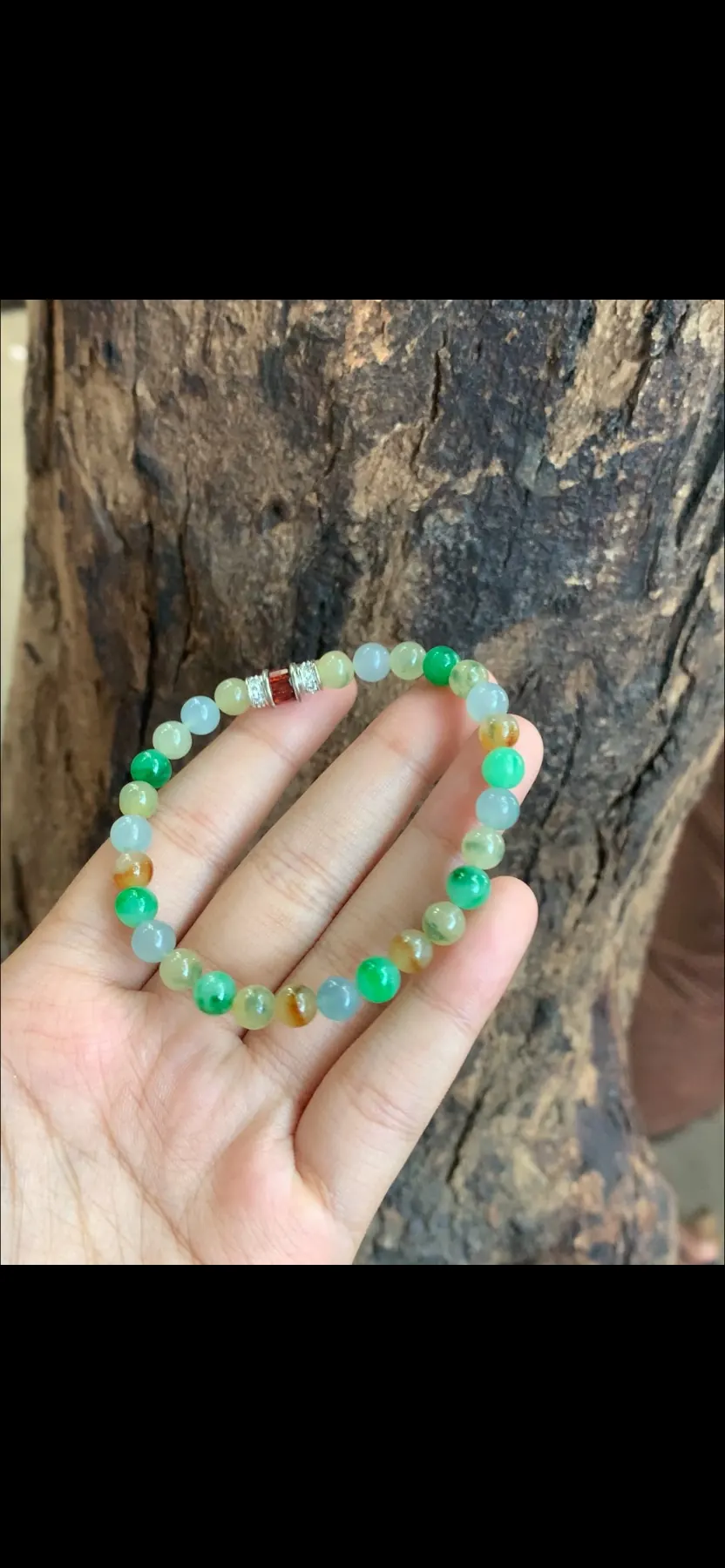
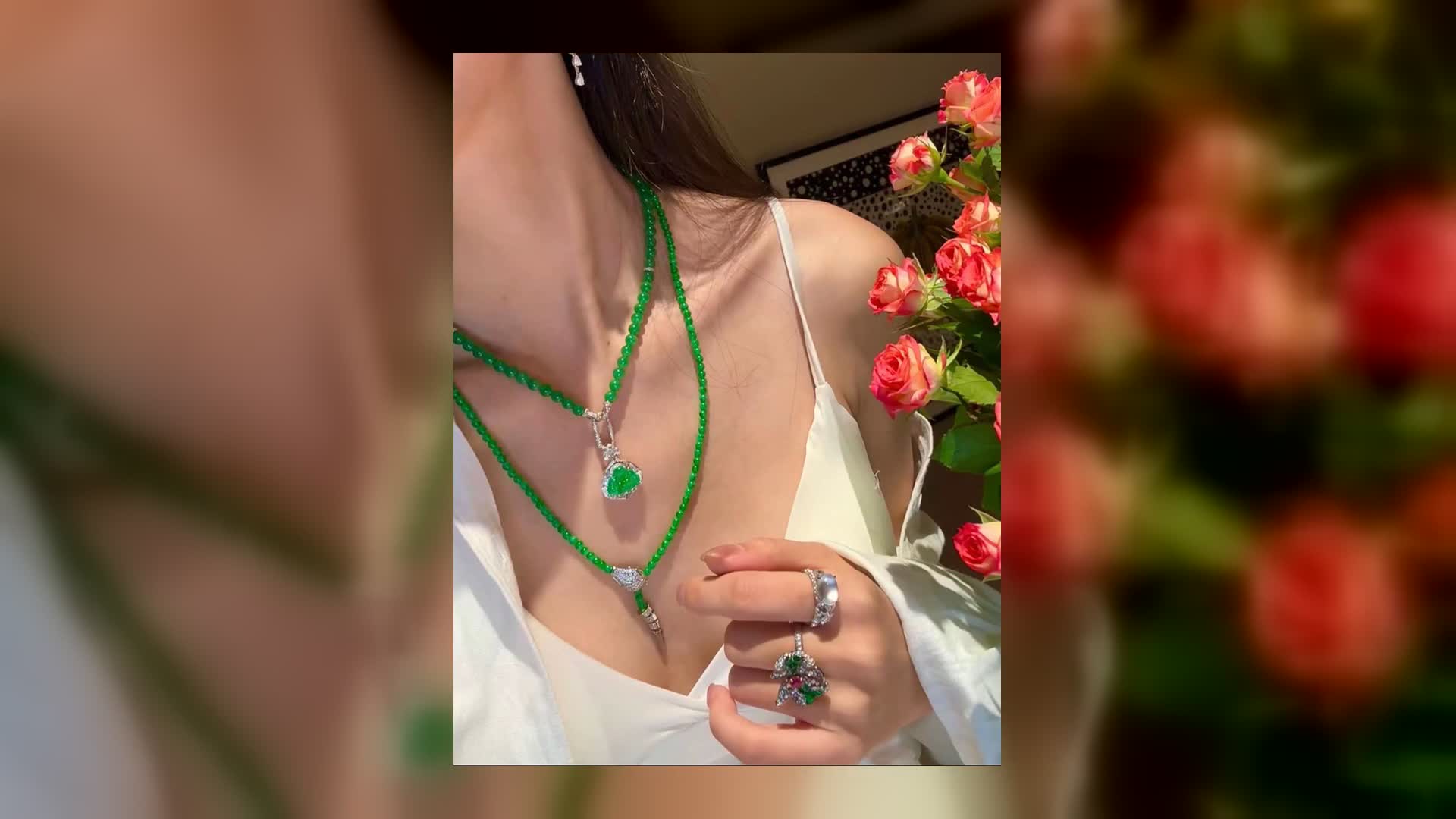
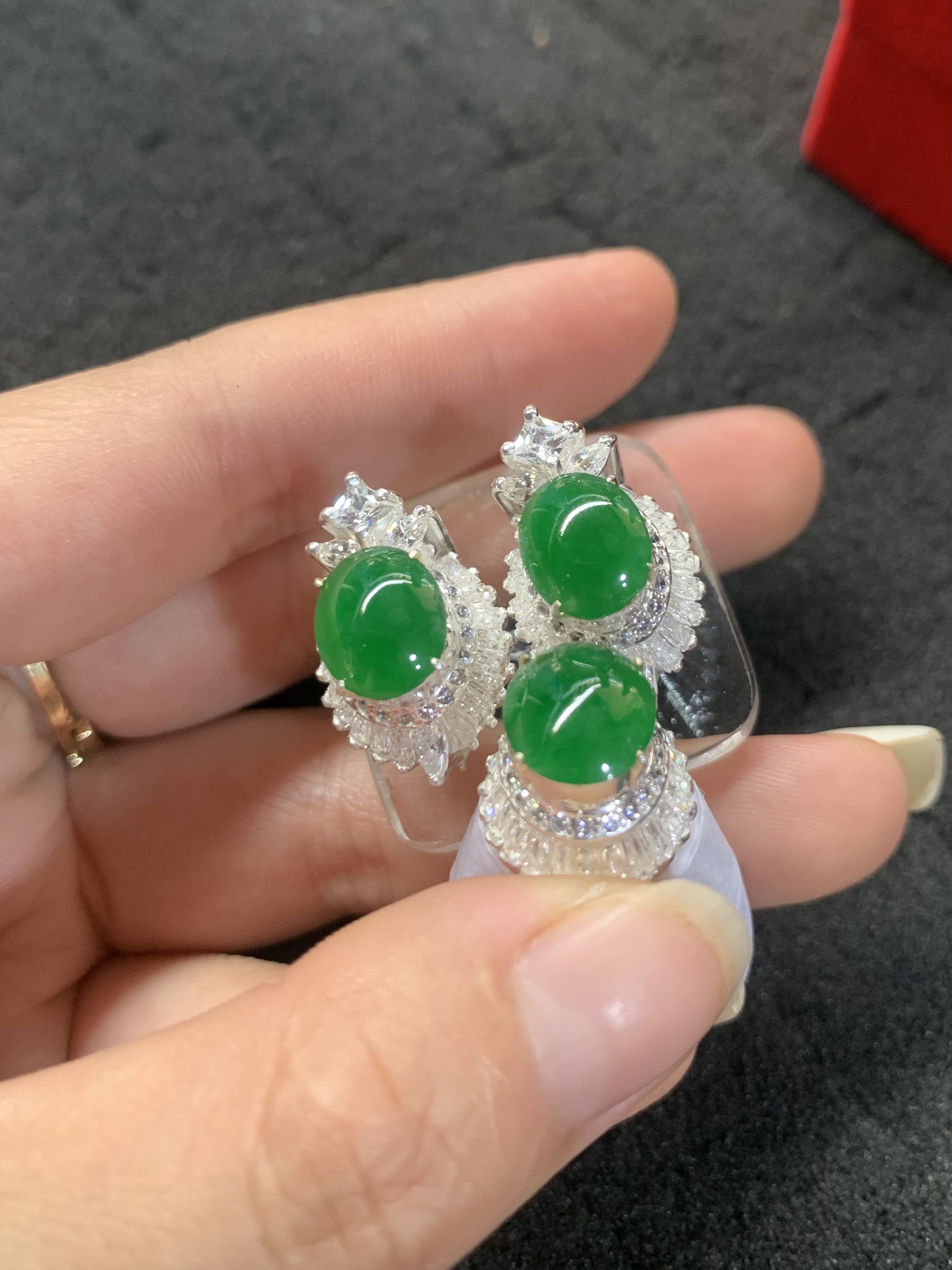
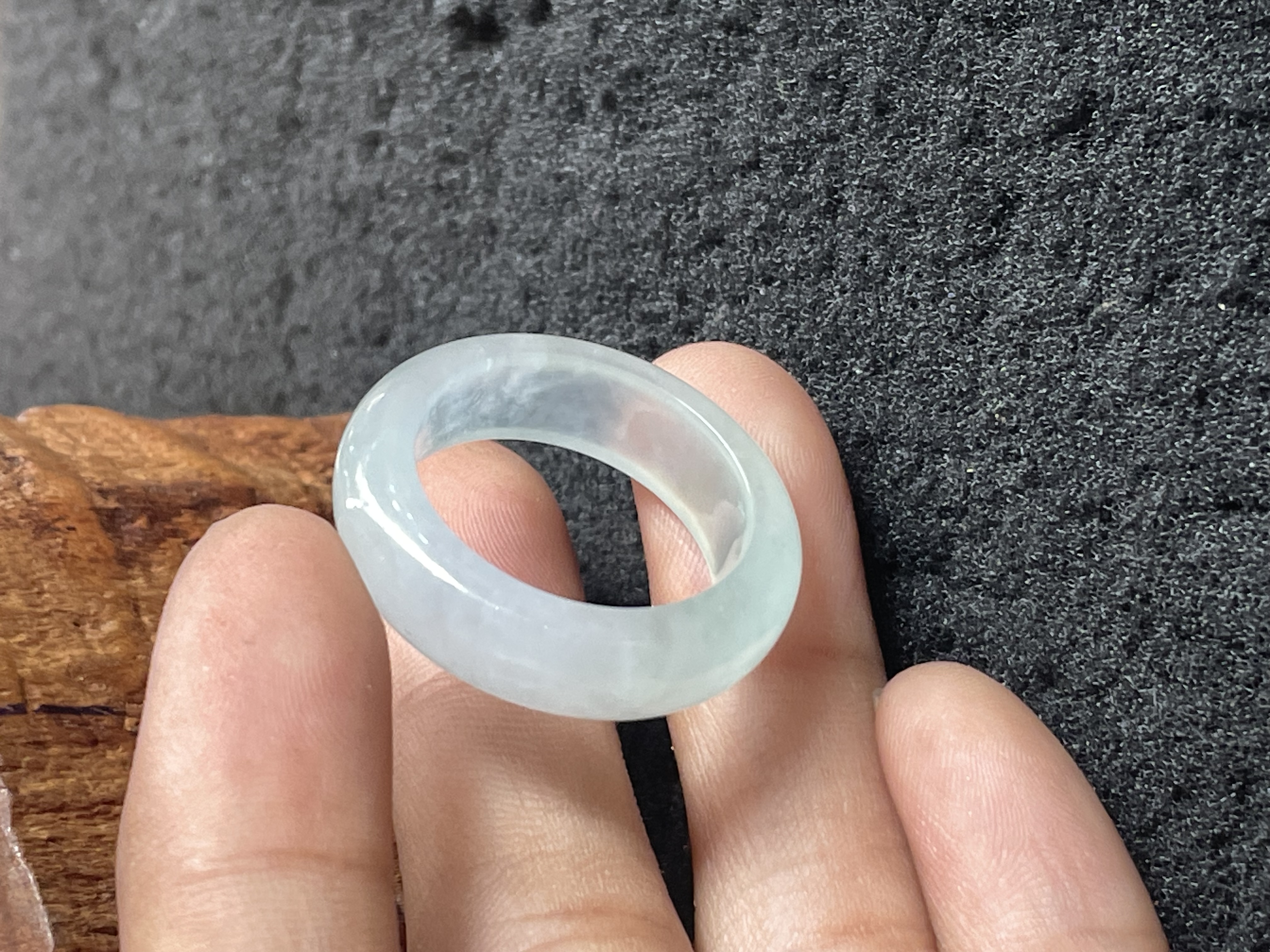
Jewelry descriptions often combine material facts with details about cutting and artistic design. Classic jewelry forms include polished cabochons, rings, pendants, bracelets, and intricate three-dimensional carvings. In many carvings, the natural outline, shape, and color distribution of the rough material directly influence the chosen artistic theme. Other specialized techniques include thin slicing and cameo work.
It is important to recognize that a specific jewelry form or traditional cutting style does not serve as proof of identity or treatment status. For further insights into available jewelry styles, visitors can explore the curated selections at Myanmar Jadeite Products.
Practical Takeaway
When evaluating jewelry, always look for explicit, standardized terminology detailing the exact material name and specific treatment classification rather than relying on generalized marketing adjectives or broad cultural labels.
Editorial Note
Individual jadeite material, treatment, origin opinions, and laboratory claims require independent verification by a qualified gemological testing laboratory before any definitive conclusions can be drawn.
Sources
This article is an original synthesis based on the following public sources. Source material is cited for verification, not reproduced.